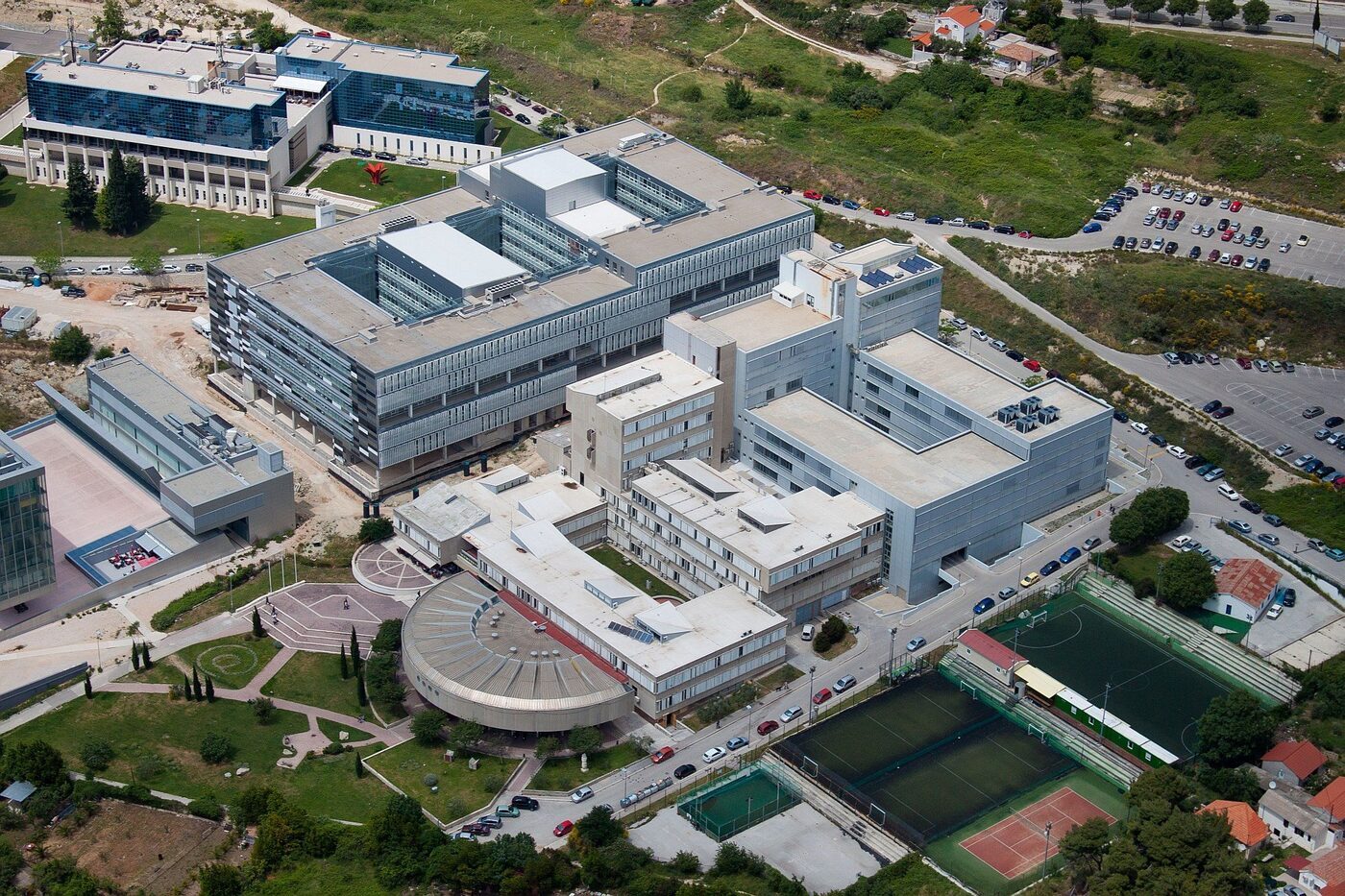
Naval Architecture University of Split
Innovative education and research in the heart of the Mediterranean.
View Study Programs

Study Programs
All courses listed below are available in English to exchange students via Erasmus+ Mobility.
Undergraduate Study (BSc)
Bachelor of Science in Naval Architecture
-
Winter · FESD01
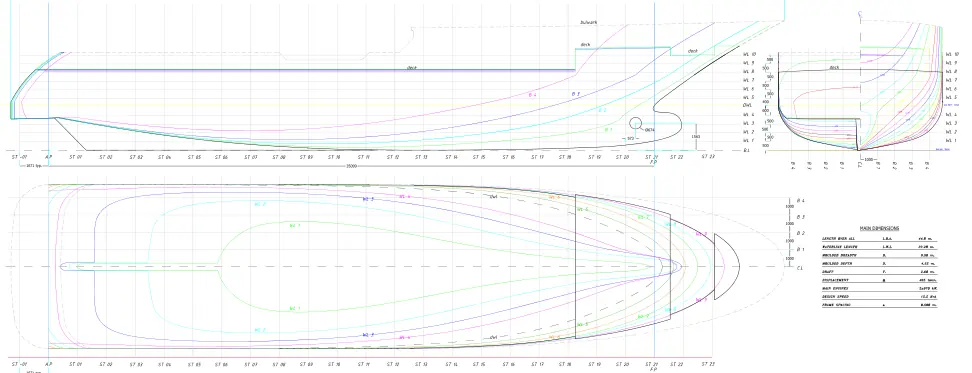
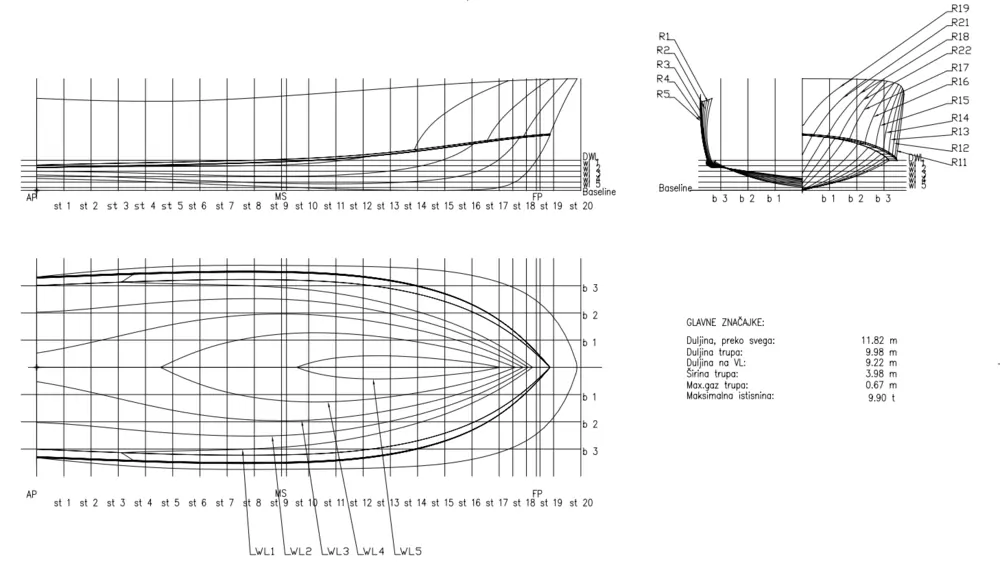
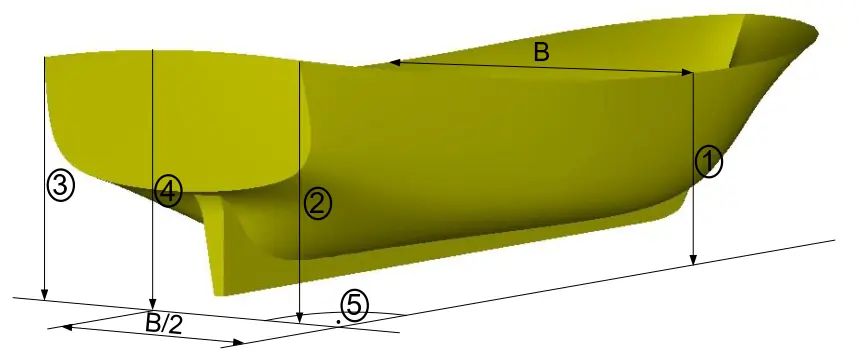
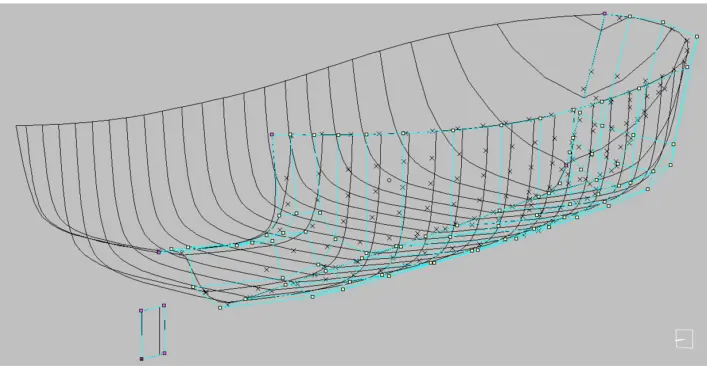
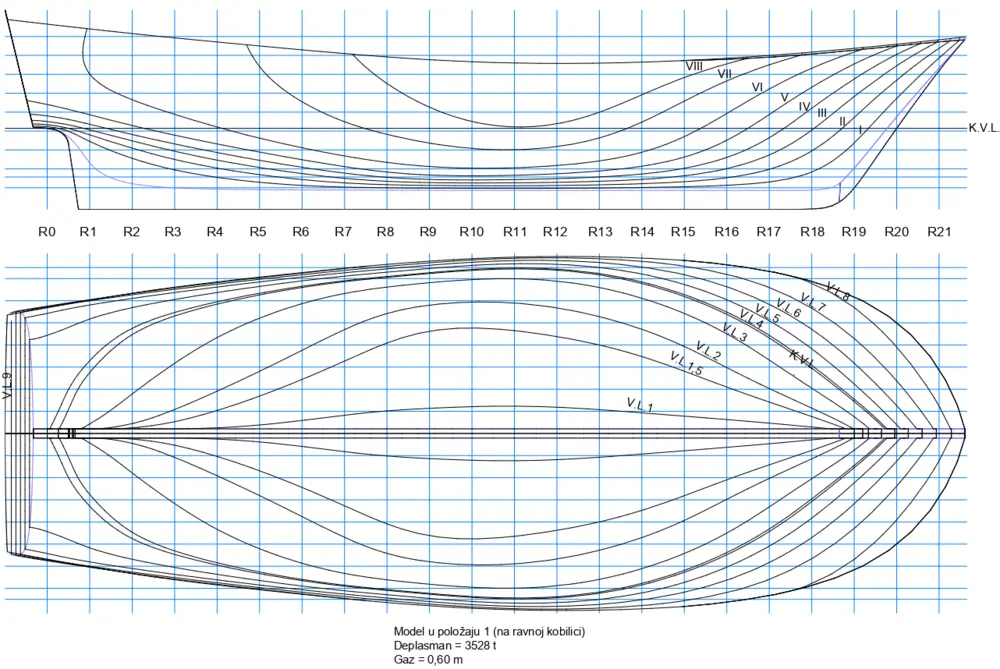
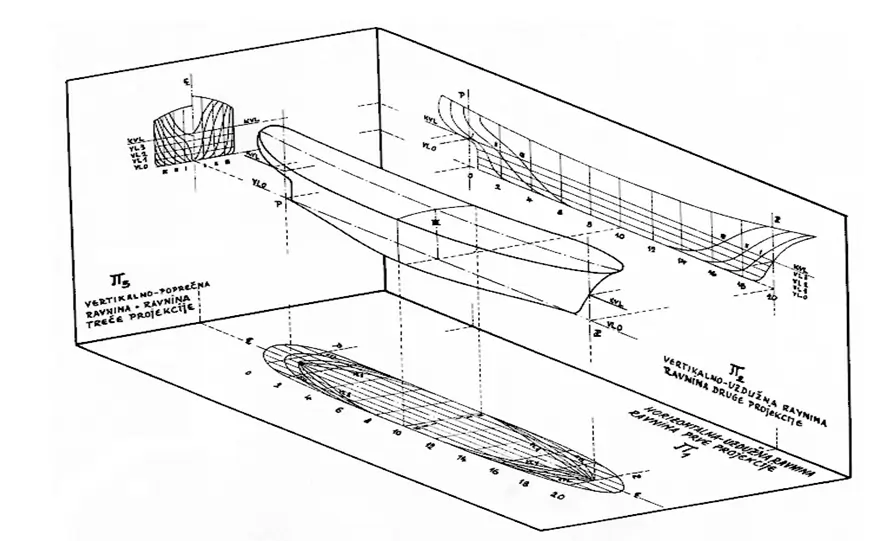
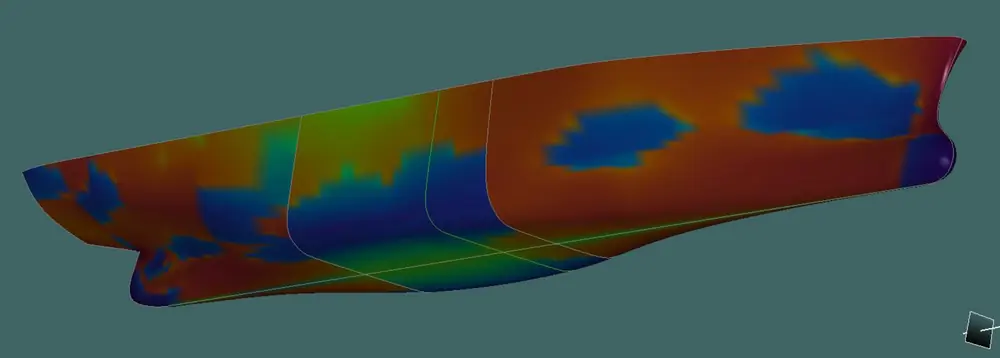
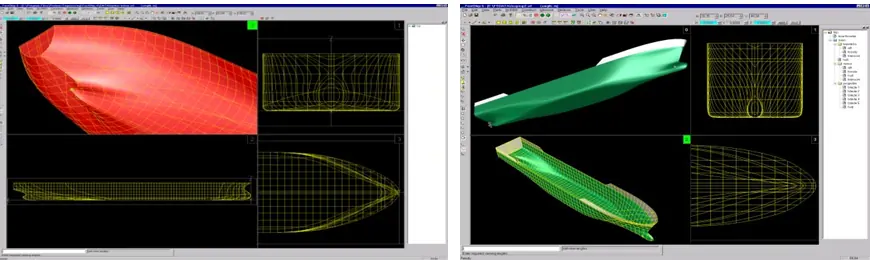
The course introduces basic ship terminology and the geometric representation of the ship hull form. Students learn about hull form coefficients, hydrostatic calculations, and the use of computer-aided tools for generating technical lines plans and detailed 3D hull models essential for the design process.
-
Winter · FESD05
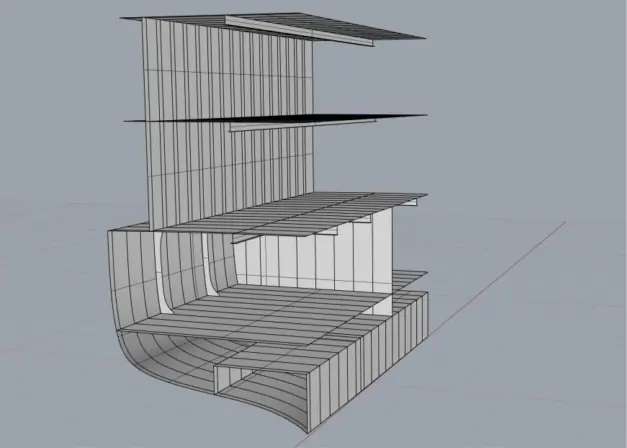
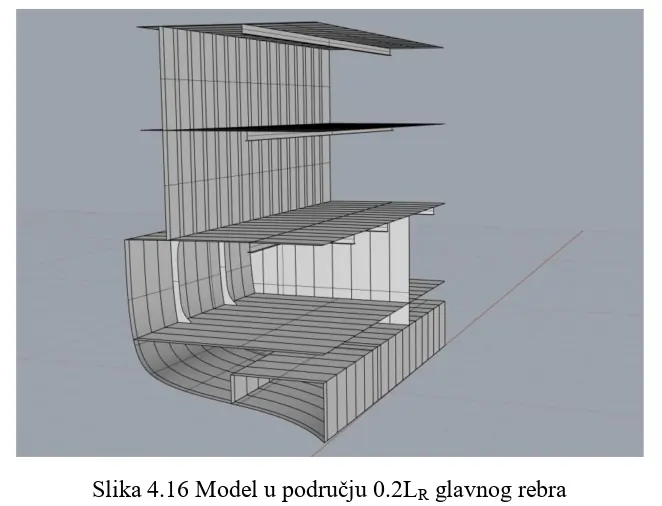
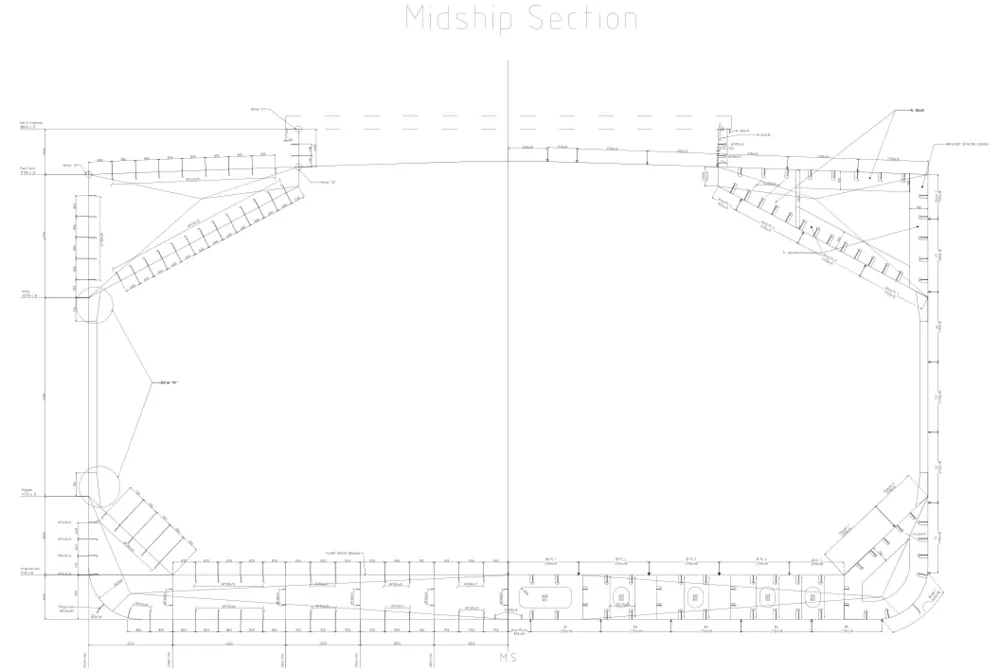
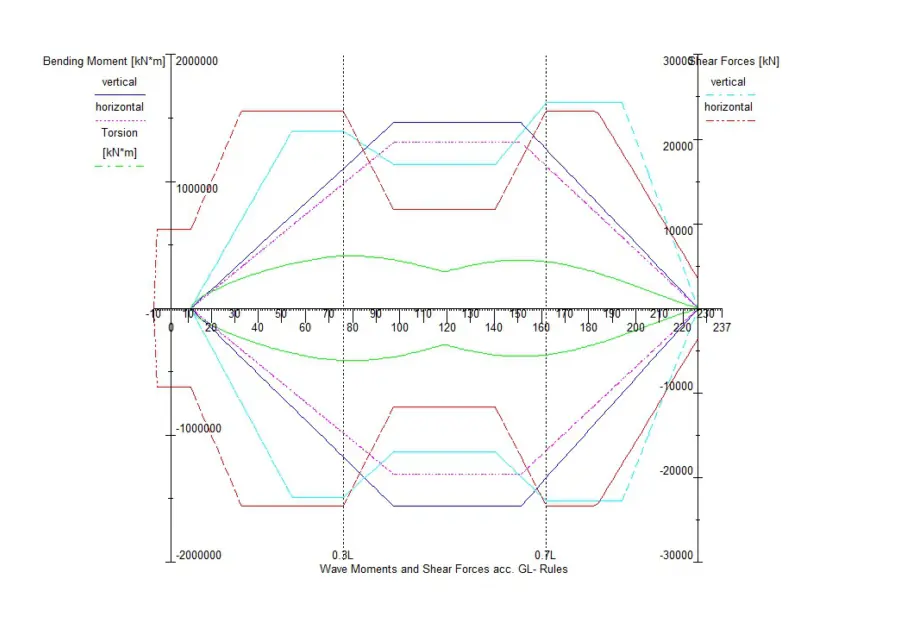
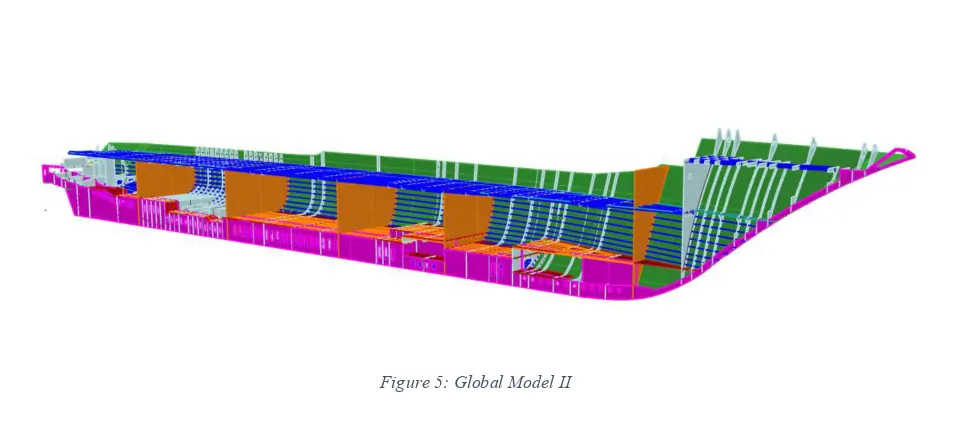
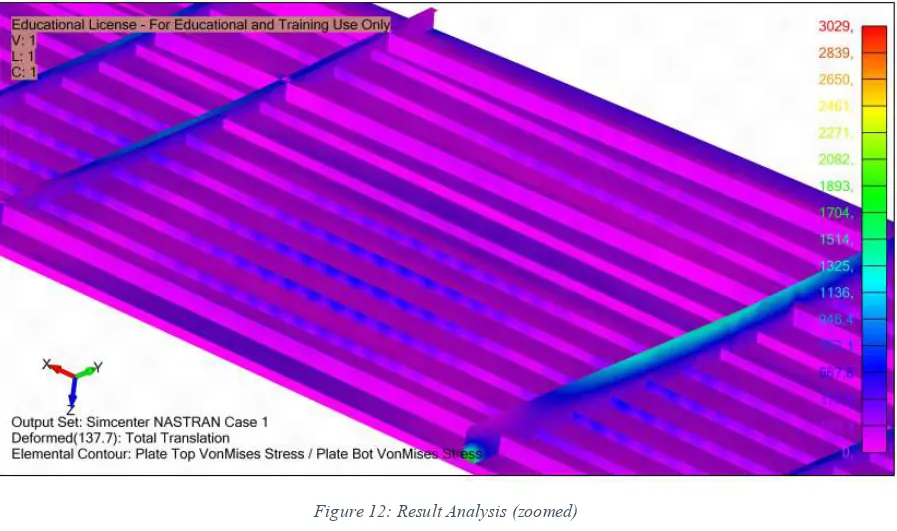
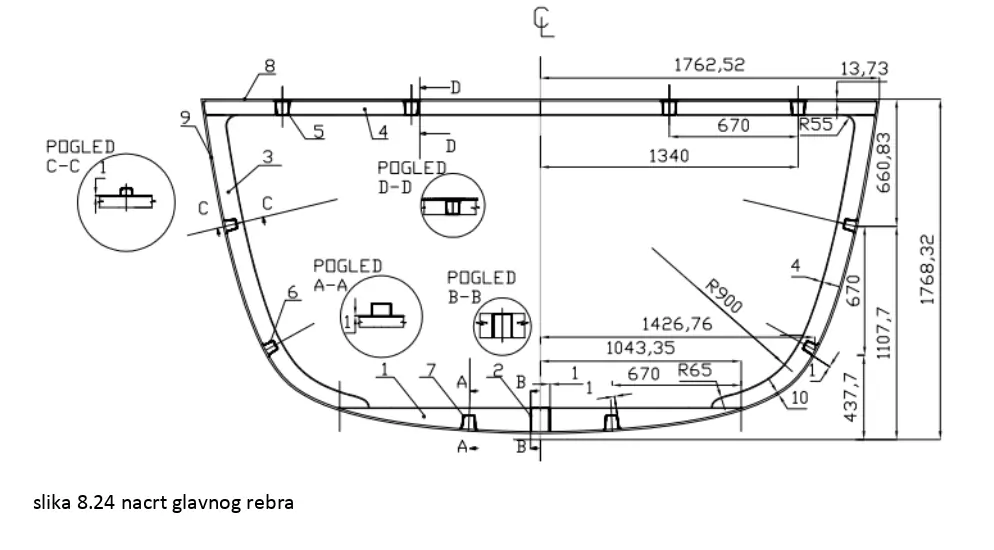
The course introduces the functional requirements and structural design of modern merchant ships. It covers scantlings calculation according to classification society rules, structural analysis of ship components, and the evaluation of ship hull integrity under various environmental and operational loading conditions.
-
Winter · FESD07
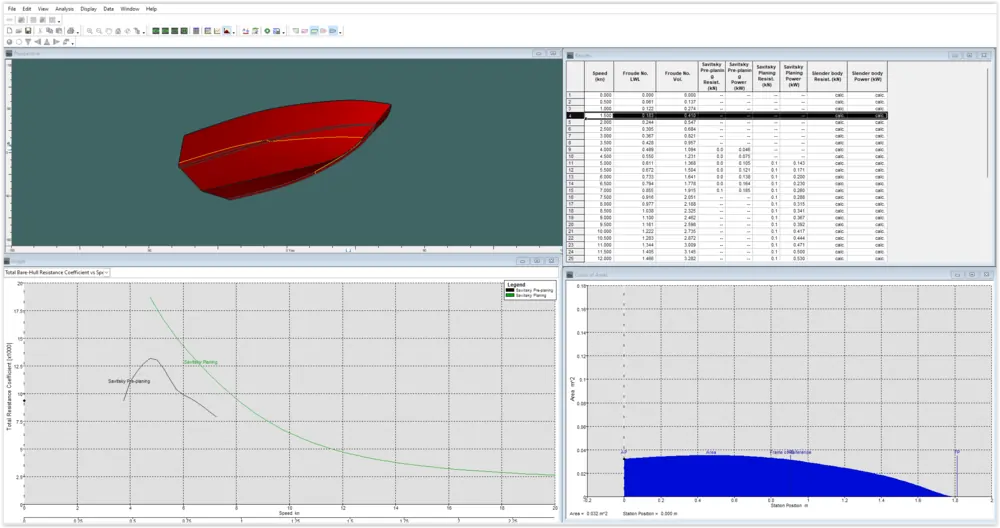
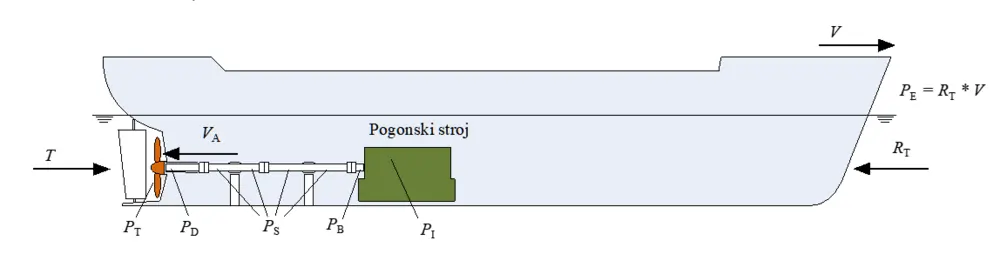
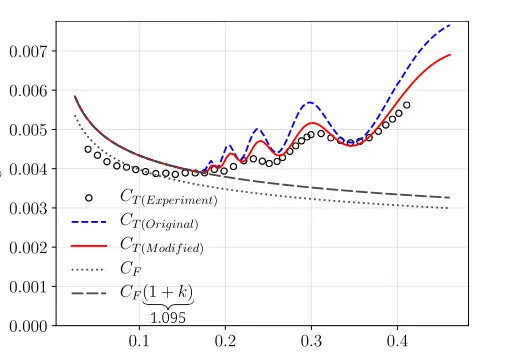
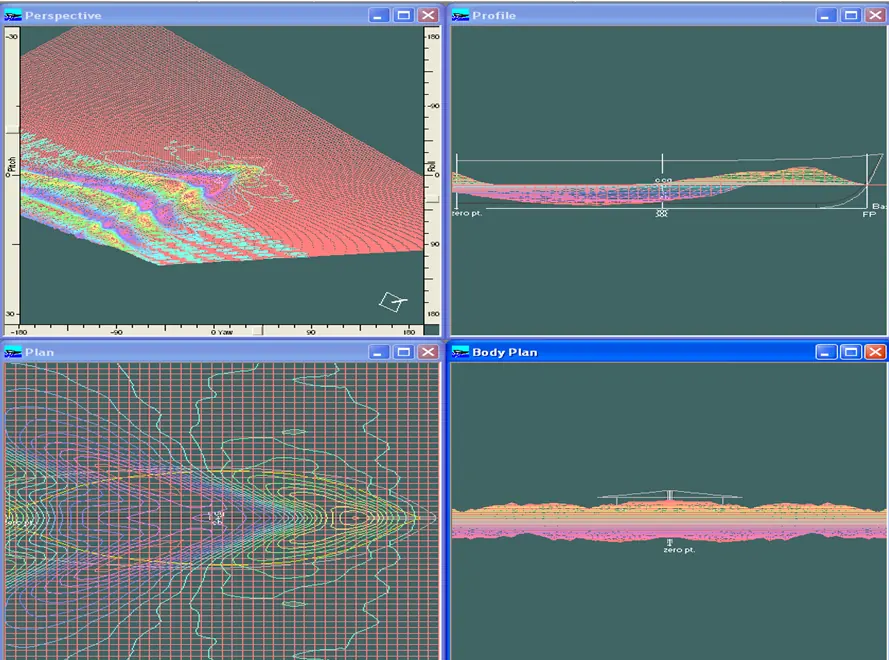
This course covers the fundamental principles of ship hydrodynamics, focusing on the components of ship resistance, propulsion efficiency, and propeller design. Students learn to estimate ship resistance using empirical methods and to select appropriate propulsion systems for various vessel types to meet specified performance requirements.
-
Summer · FESD24 · Elective
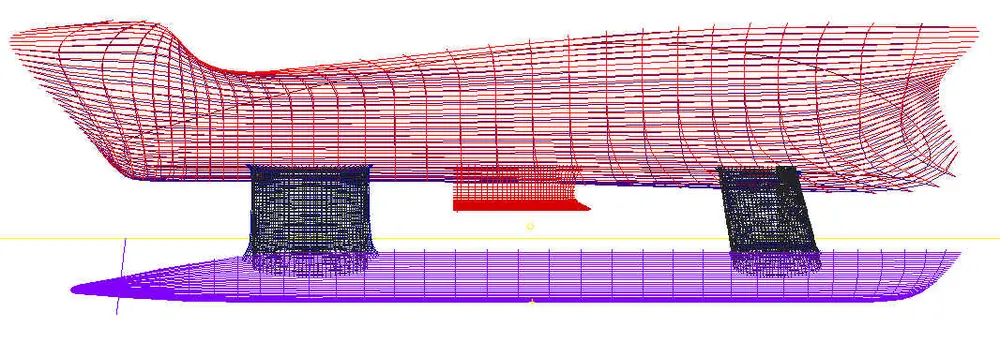
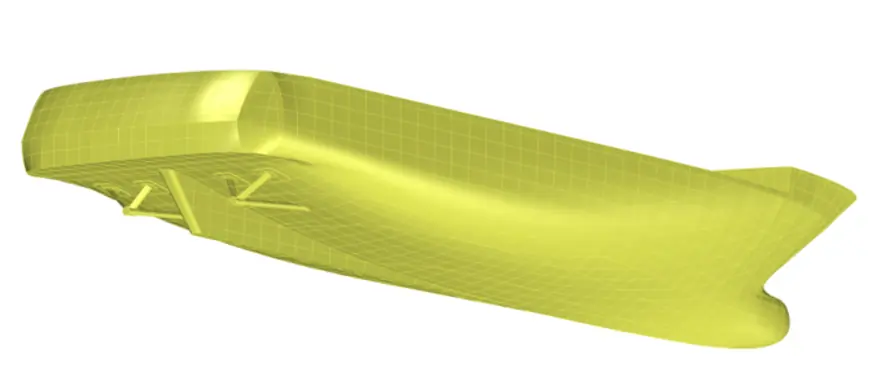
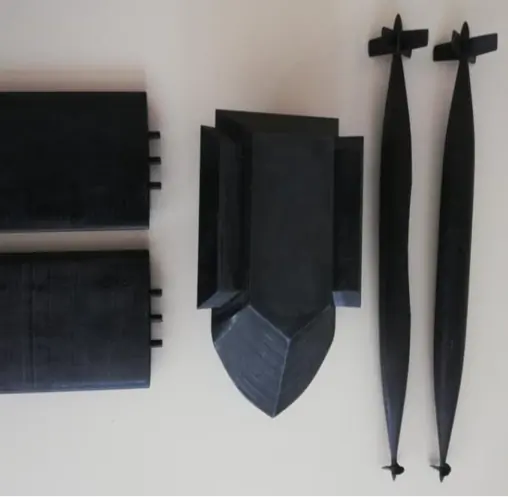
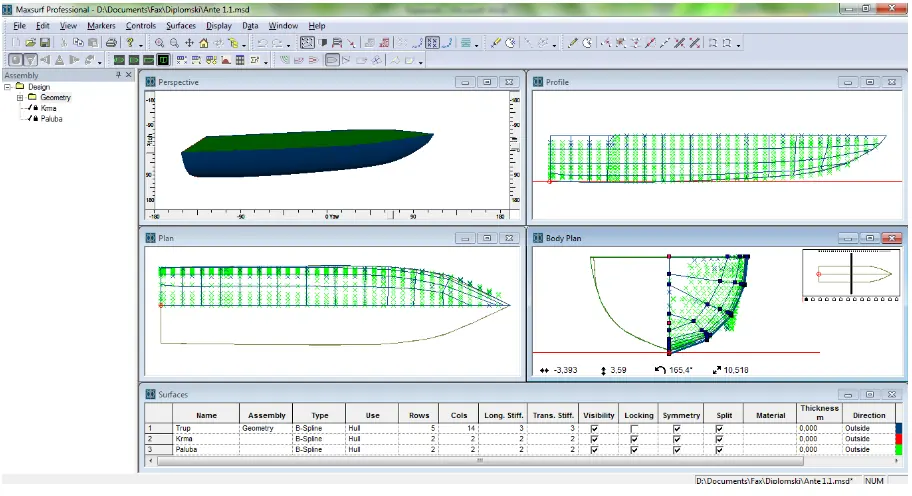
This course focuses on advanced methods for hull geometry definition and early-stage design optimization. Students utilize specialized software to integrate transport requirements with hydrodynamic and structural constraints to produce a viable preliminary ship project.
-
Winter · FESS15
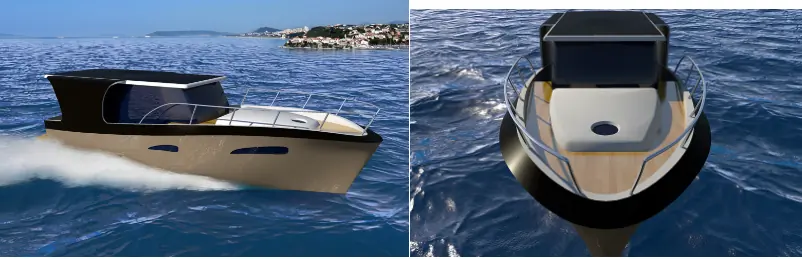
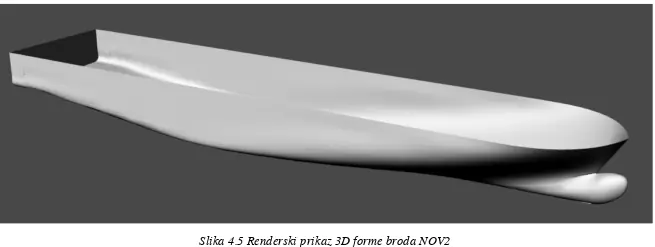
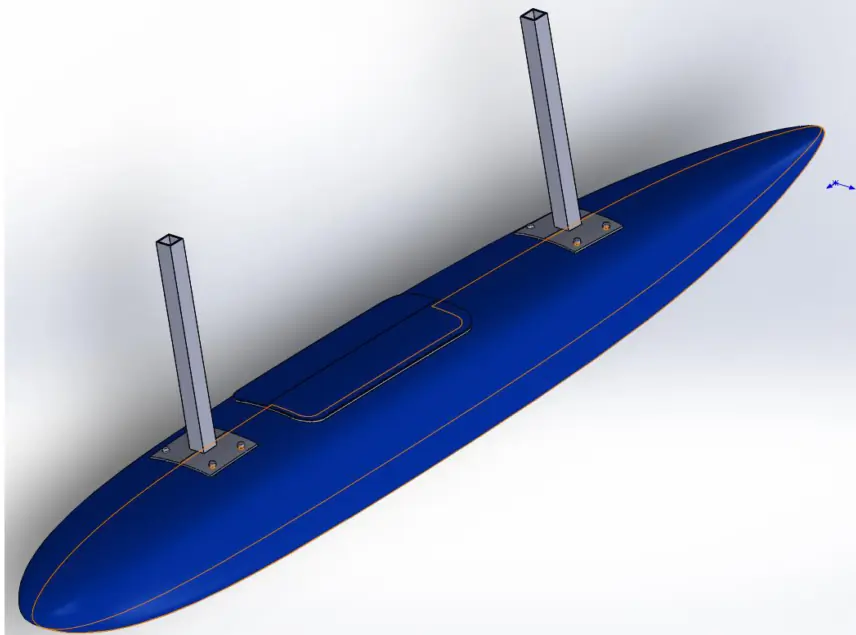
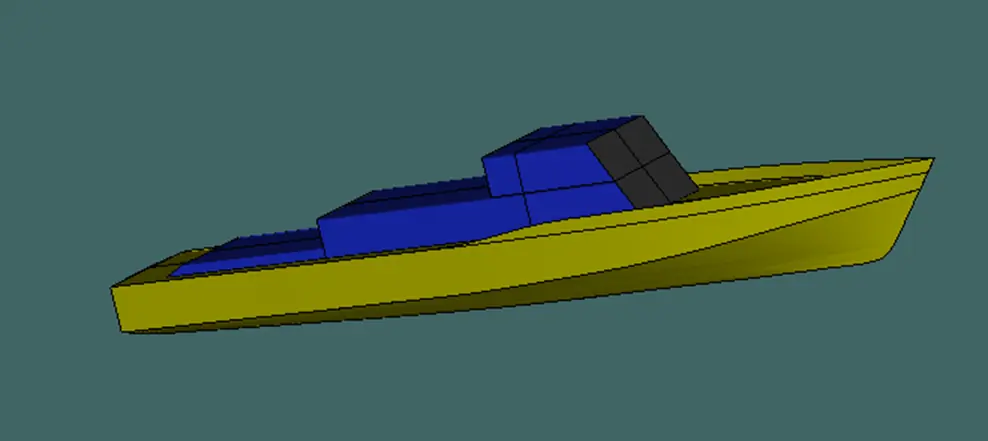
This course focuses on the application of advanced computer graphics and CAD systems in the design and modeling of ships. Students gain practical skills in 3D surface modeling of hull forms, structural detailing, and the visualization of complex marine systems to support the engineering design and production documentation process.
-
Winter · FESD12
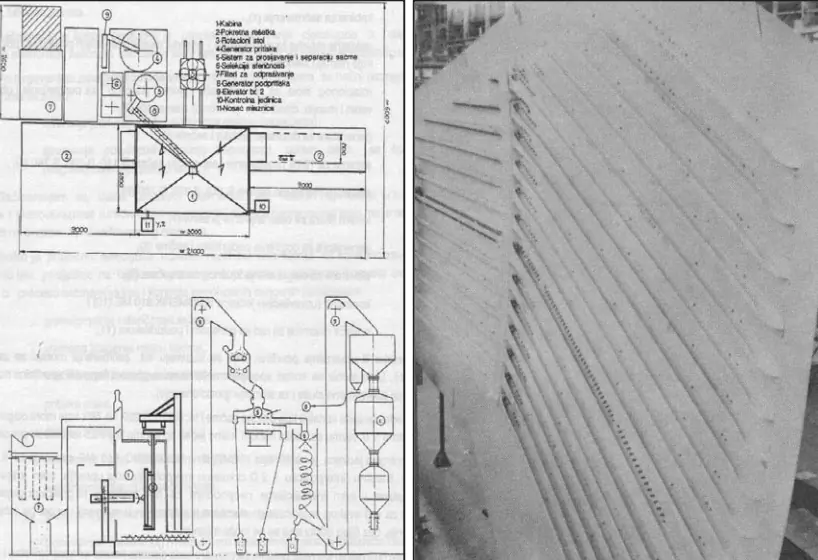
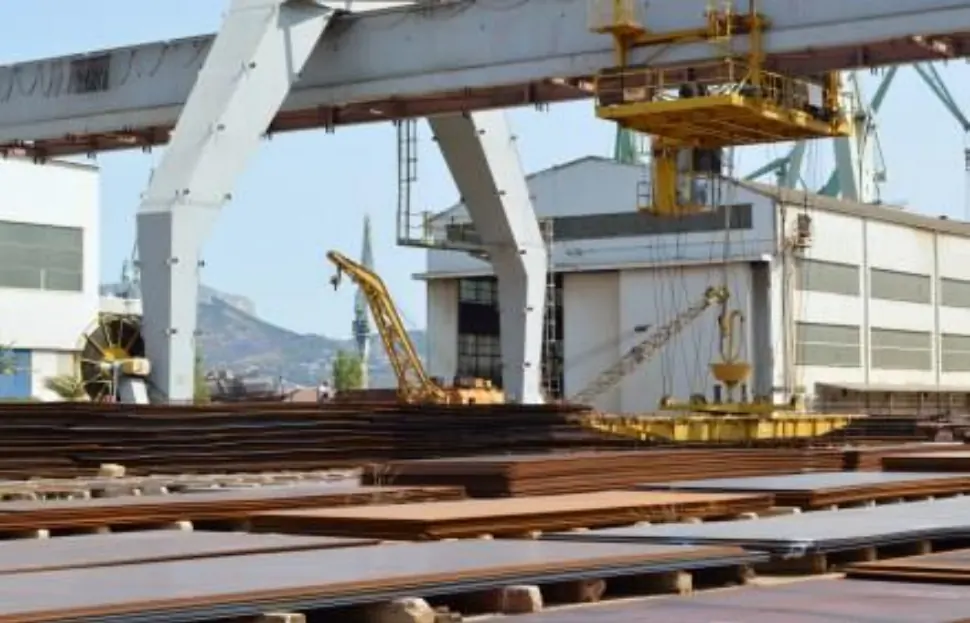
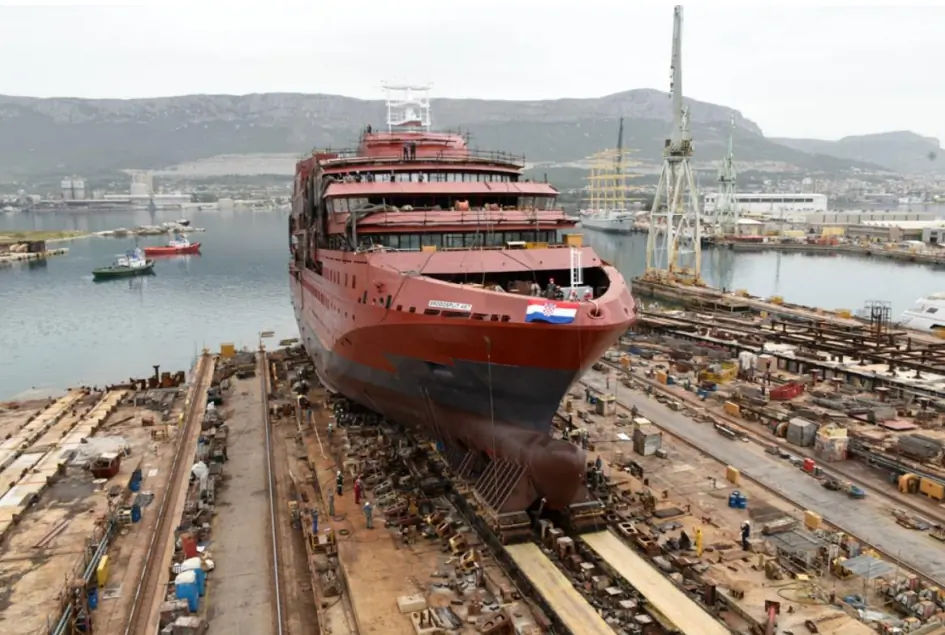
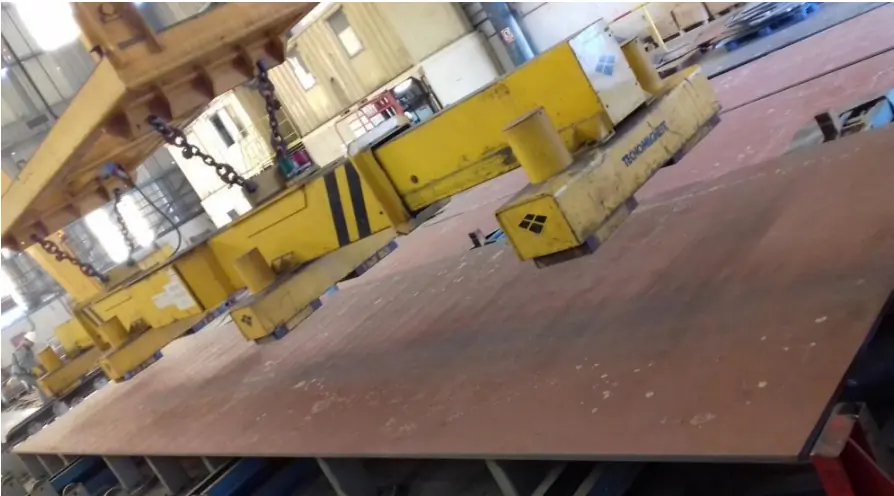
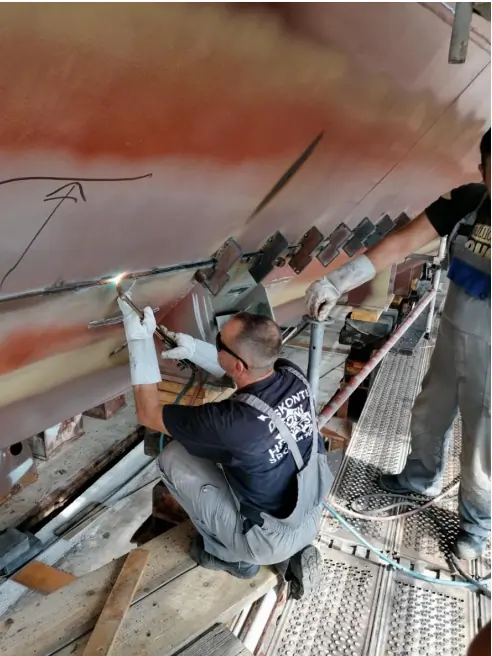
Students learn about the technological processes involved in building ships and other floating structures, from material intake and preparation to final assembly and launching. The course emphasizes shipyard organization, production planning, and the implementation of modern manufacturing methods in the shipbuilding industry.
-
Summer · FESD25
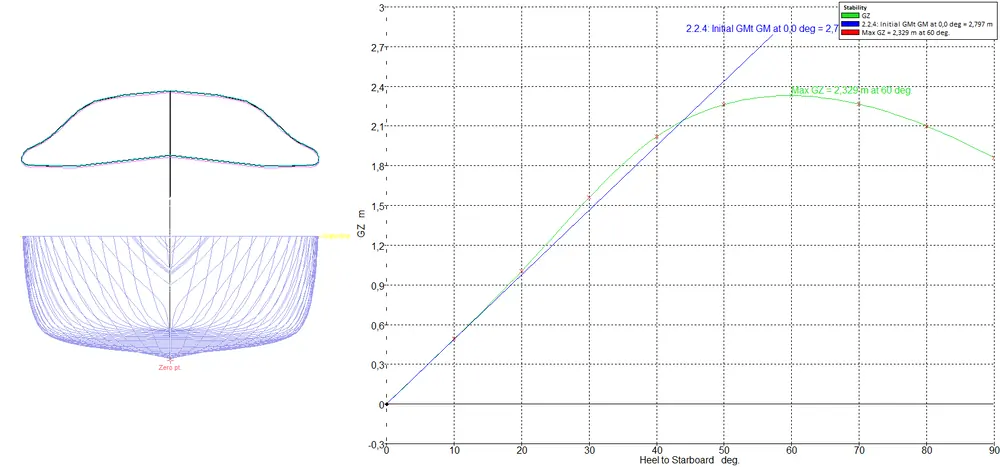
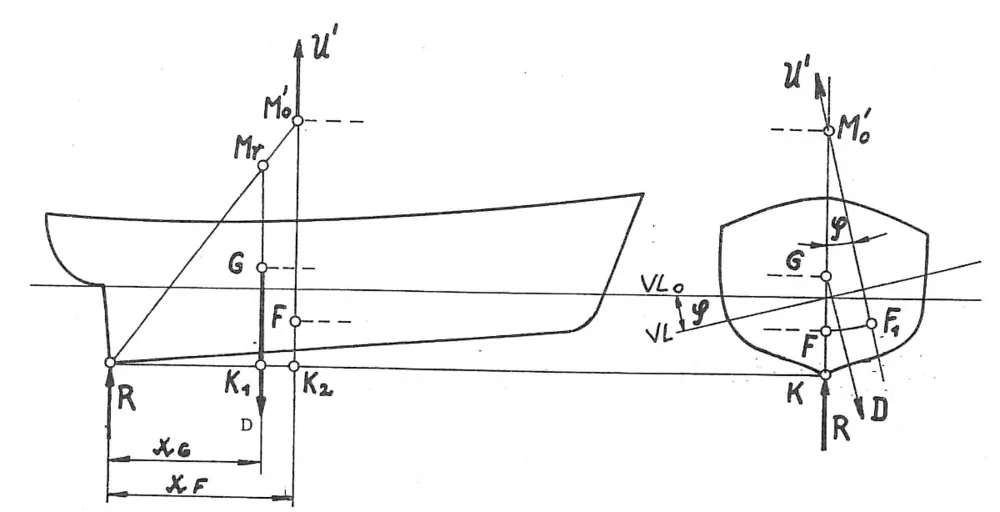
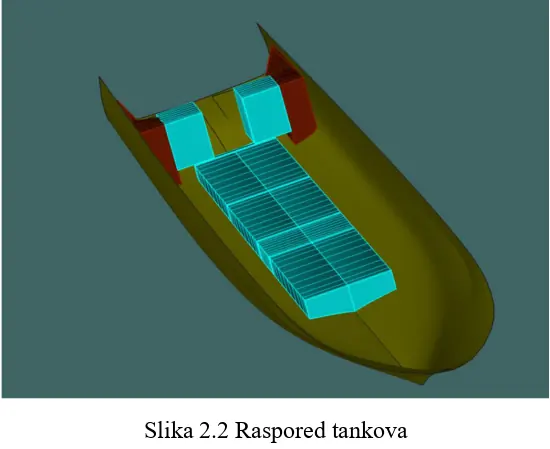
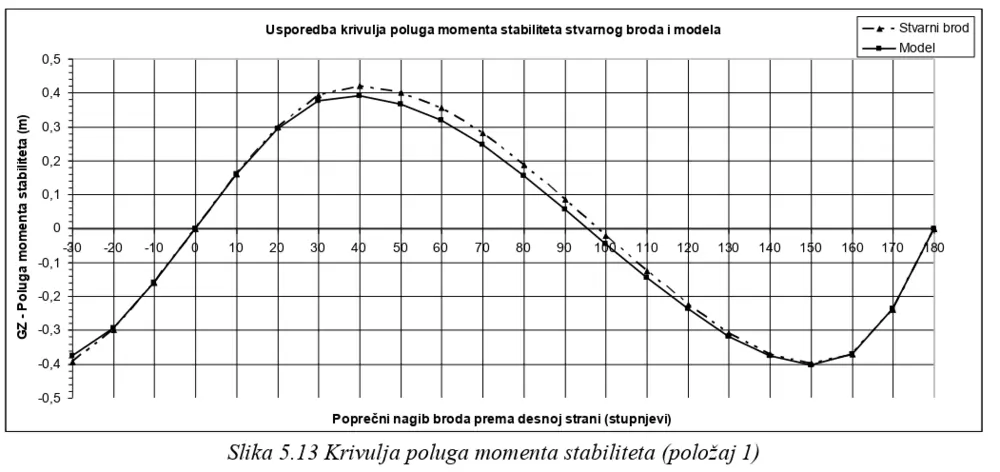
This course provides an in-depth study of buoyancy and stability for floating objects. Students learn to calculate hydrostatic properties, develop righting arm curves, and assess vessel stability in both intact and damaged conditions according to international regulatory standards.
-
Winter · FESS36
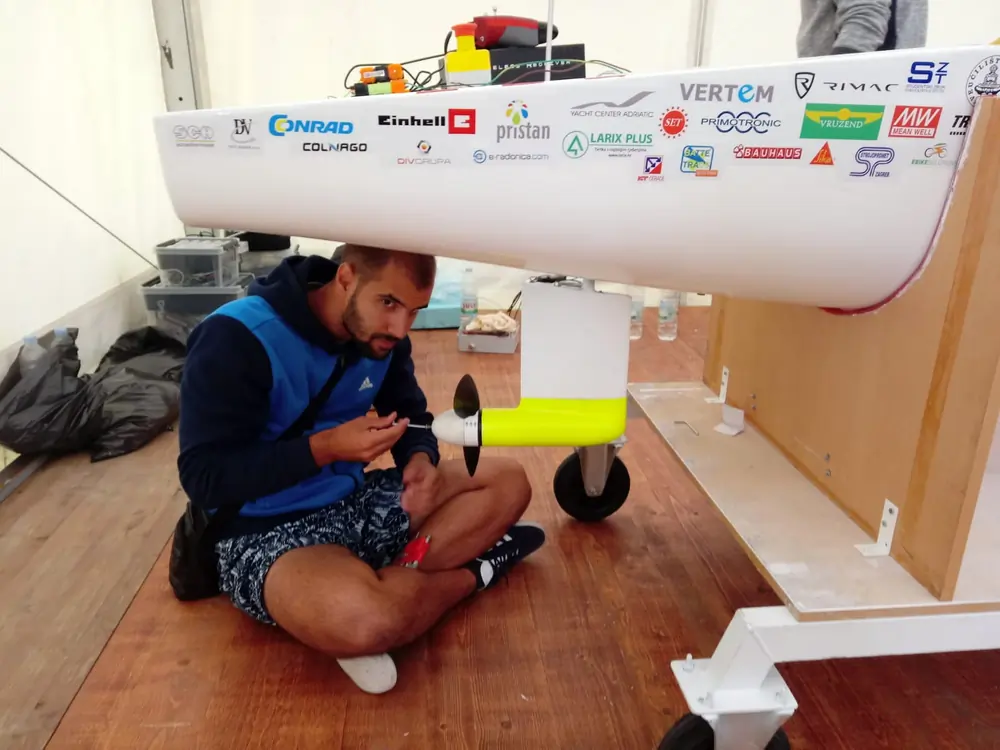
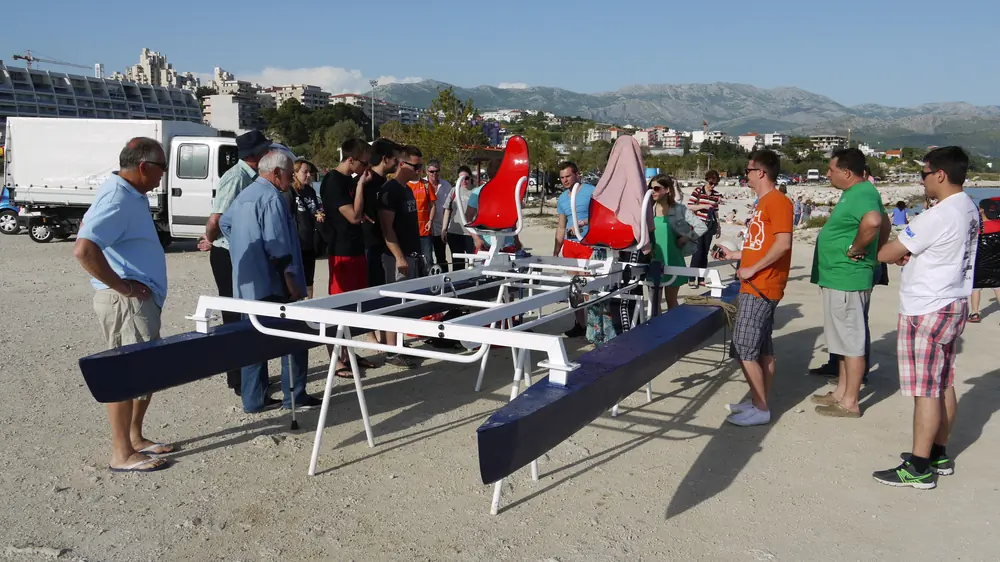
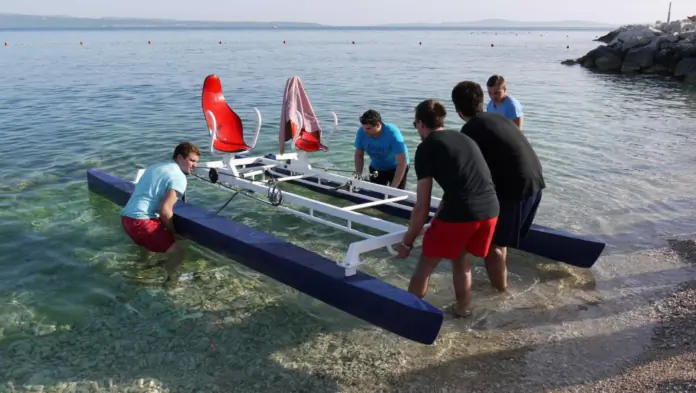
This course focuses on developing various skills by working on a real-world marine vehicle project. Students learn to apply existing knowledge and how to schedule, plan and organize implementation of specific tasks. Students work in team on solving practical engineering problem and presenting solutions to peers and teachers.
-
Summer · FESD10
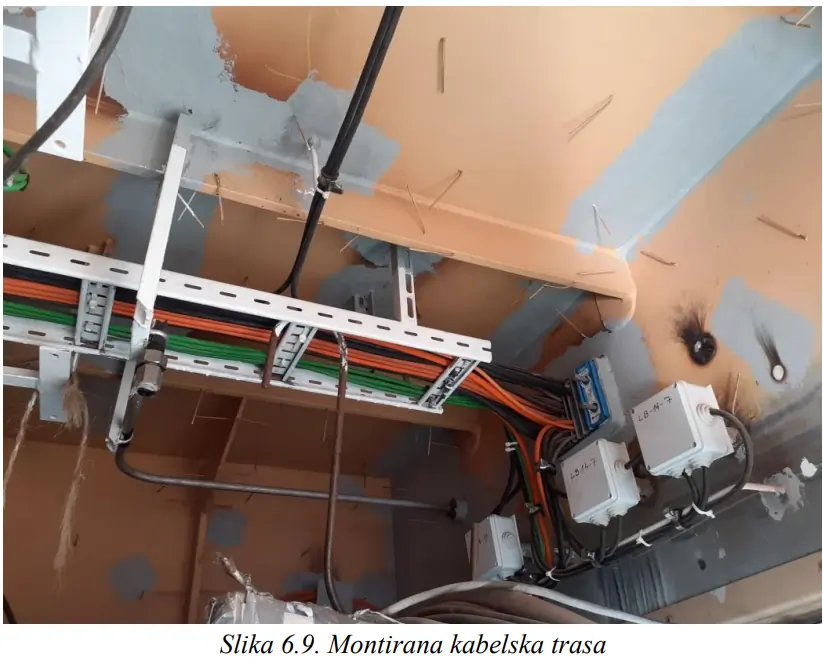
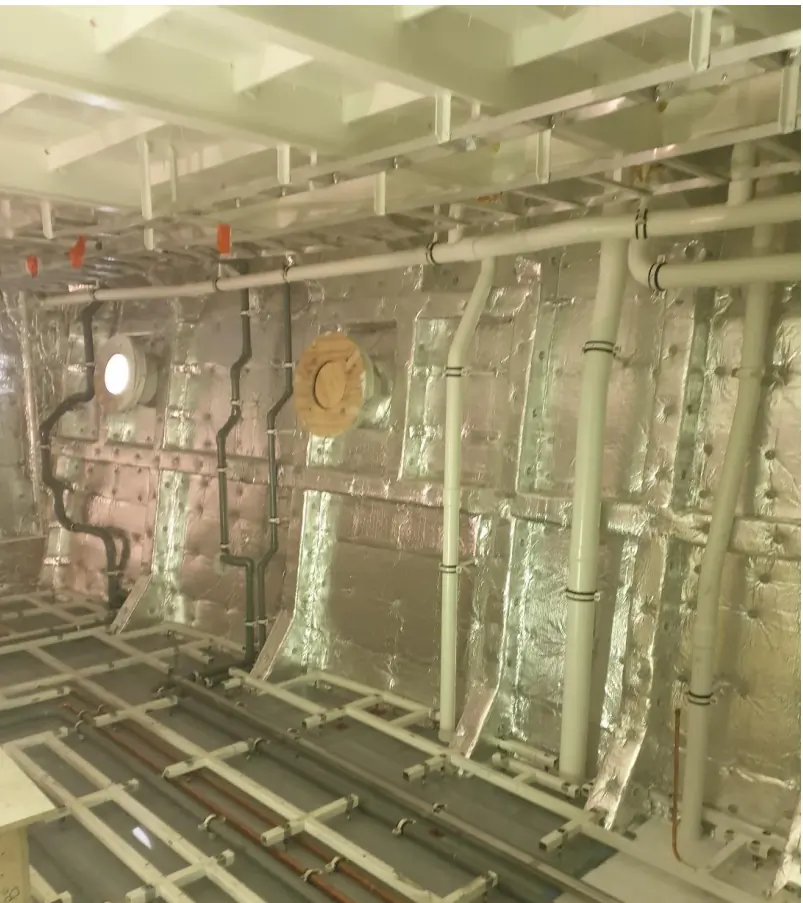
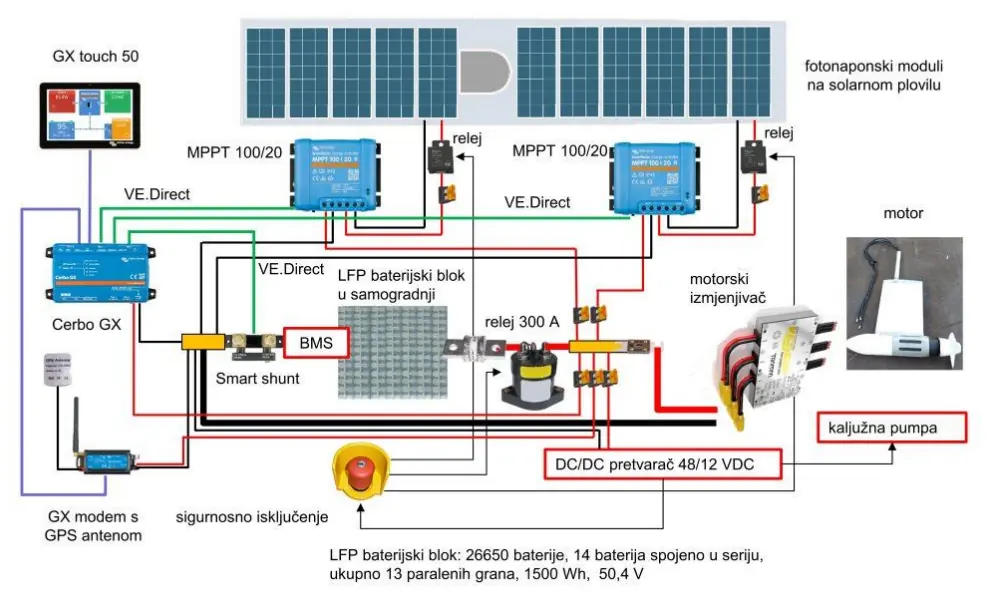
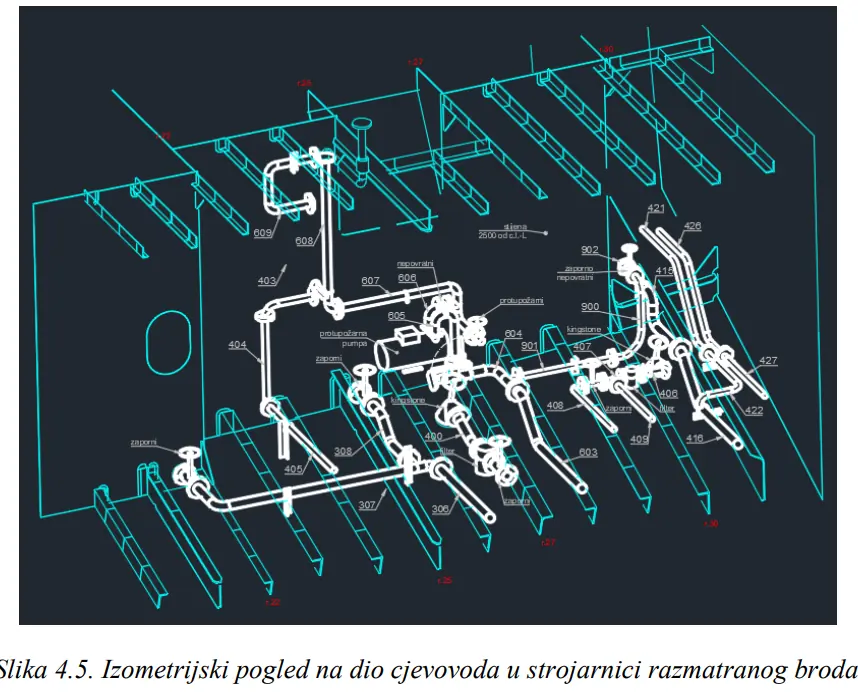
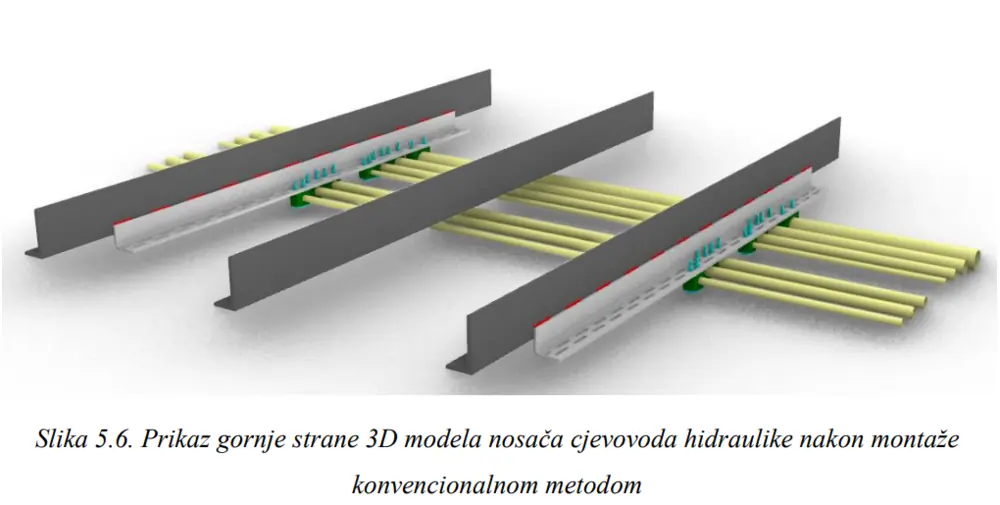
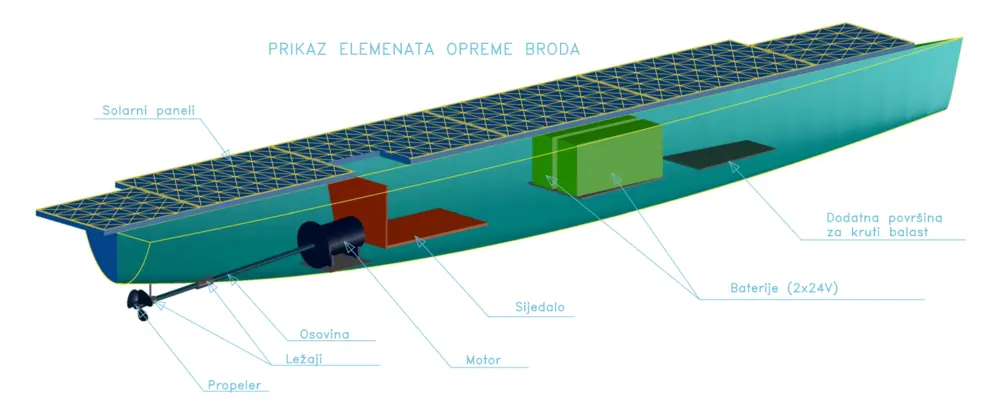
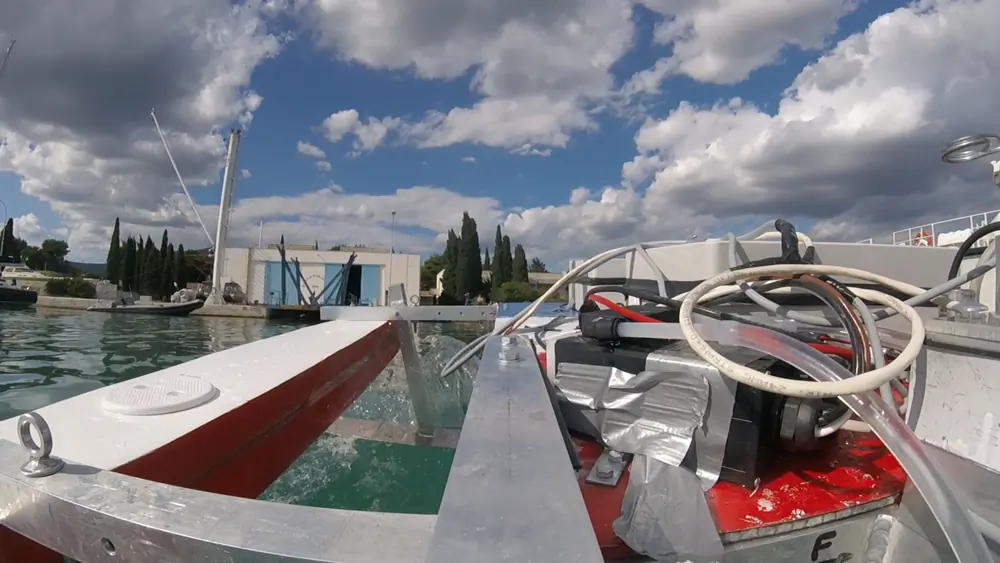
Students learn about the specialized outfit elements and systems used on modern ships. The course covers anchoring and mooring equipment, safety and rescue gear, navigation systems, and the regulatory requirements for outfitting.
-
Summer · FETD06
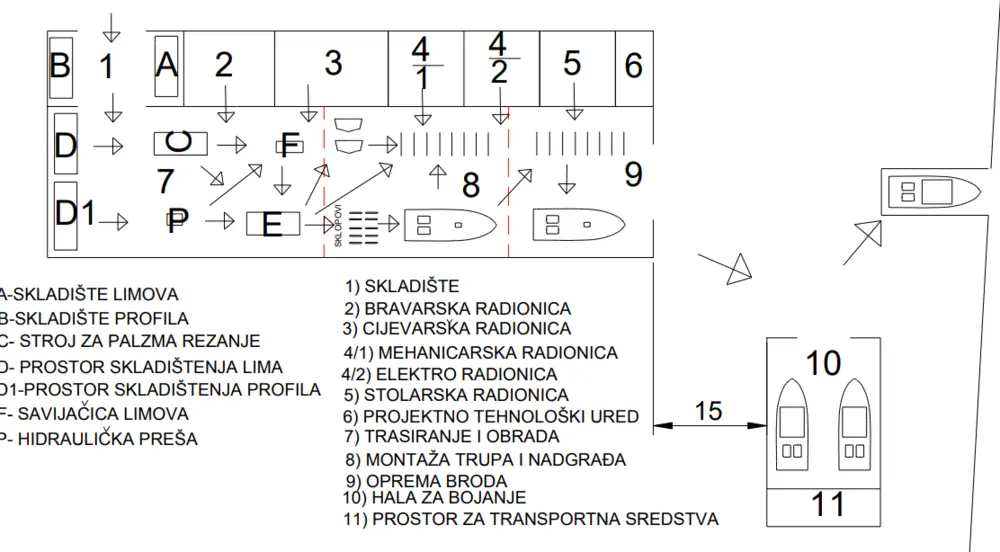
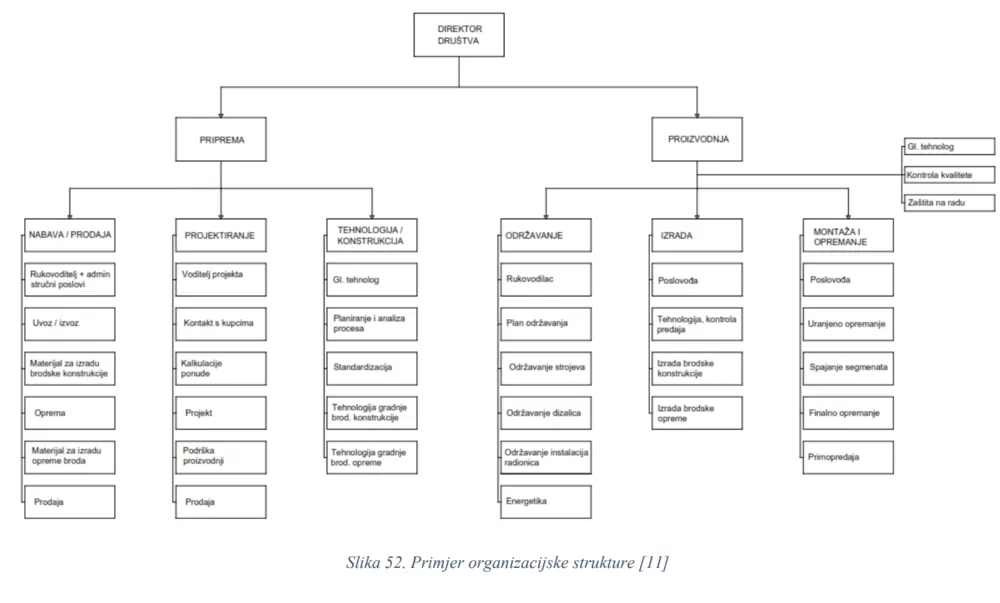
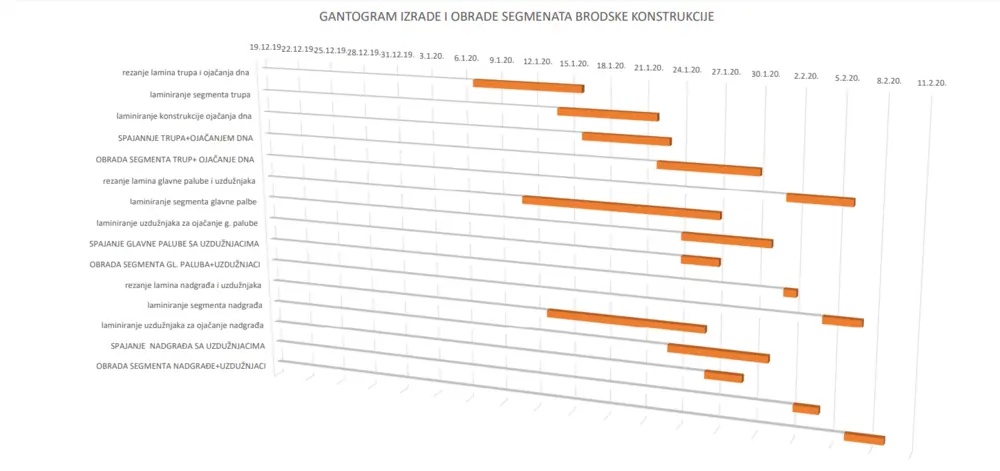
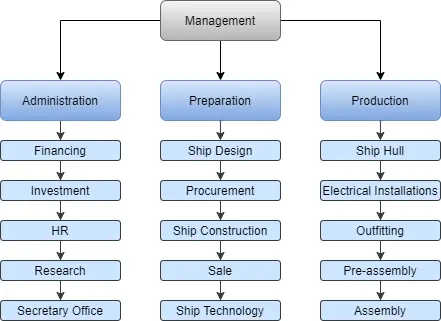
Focuses on the management and logistical coordination of the shipbuilding process. It covers project scheduling, resource allocation, quality control systems, and the implementation of lean manufacturing principles within a shipyard environment.
-
Summer · FESS31 · Elective
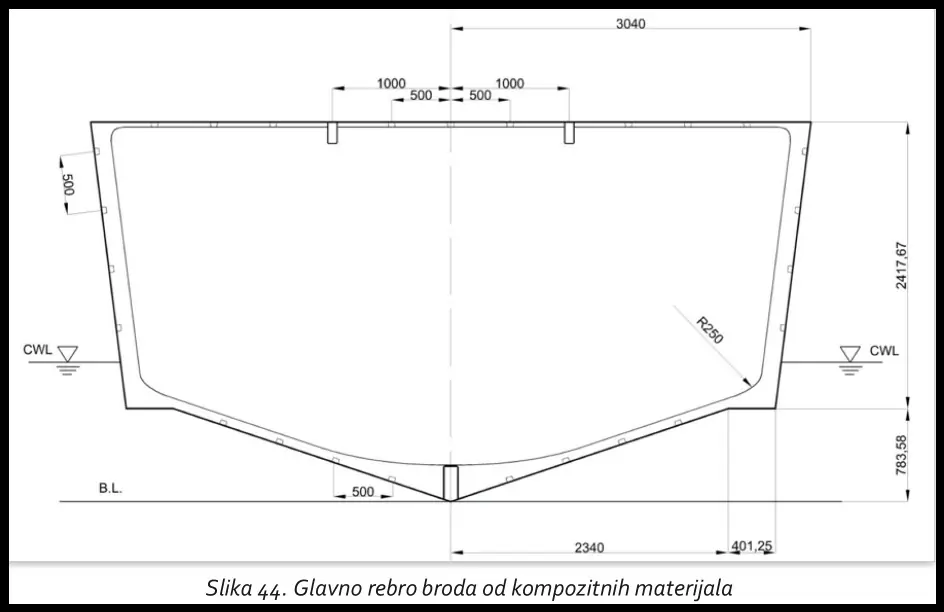
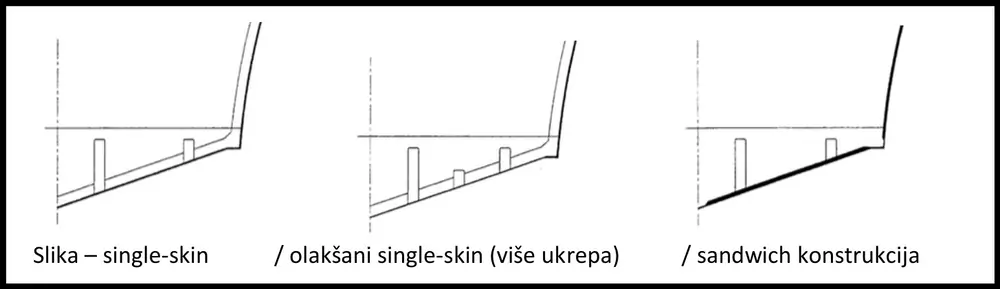
This course covers the design of vessels constructed from advanced fiber-reinforced polymers. Topics include composite material properties, rule-based calculations, and the specific manufacturing methods used for high-performance composite hulls.
Graduate/Master Study (MSc)
Master of Science in Naval Architecture
-
Winter · FESN09
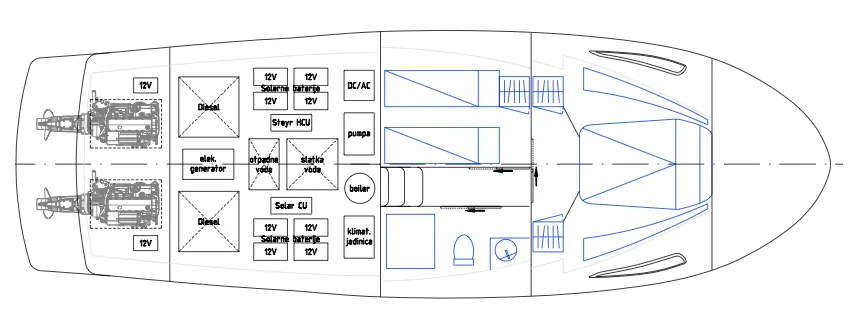
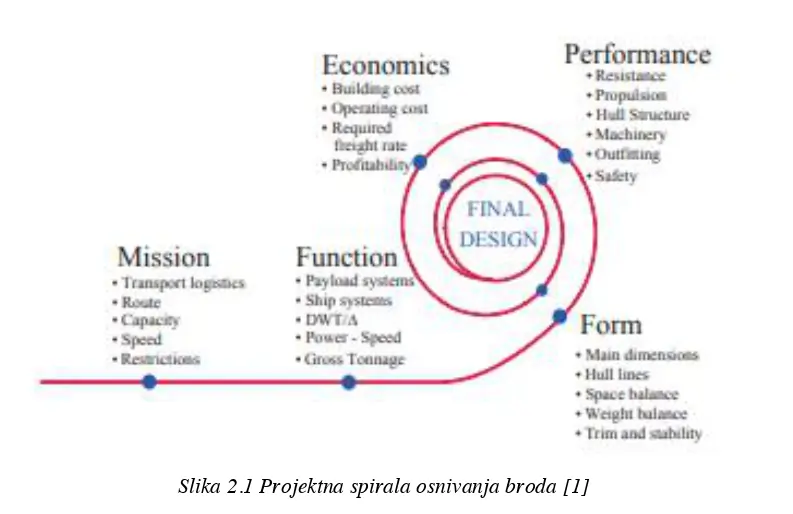
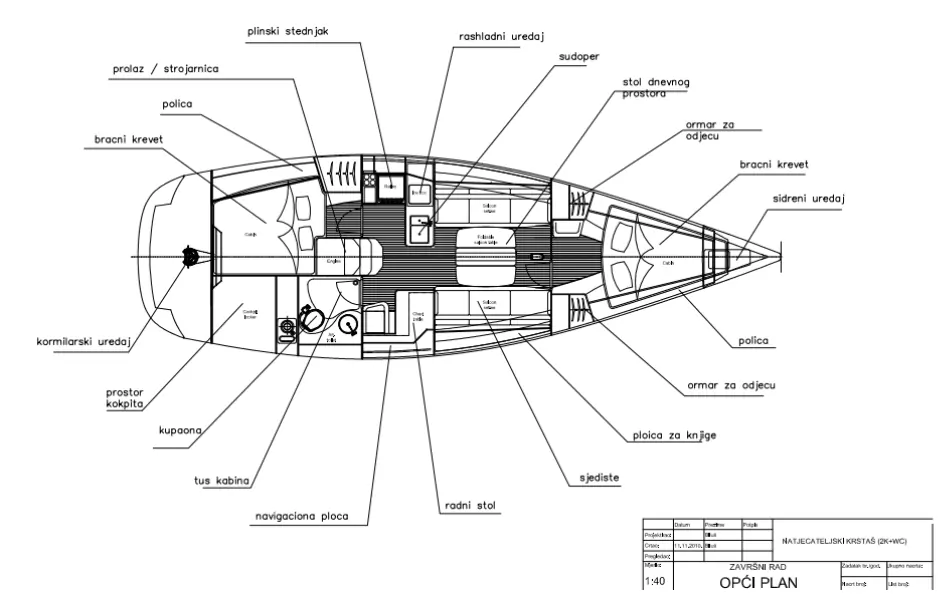
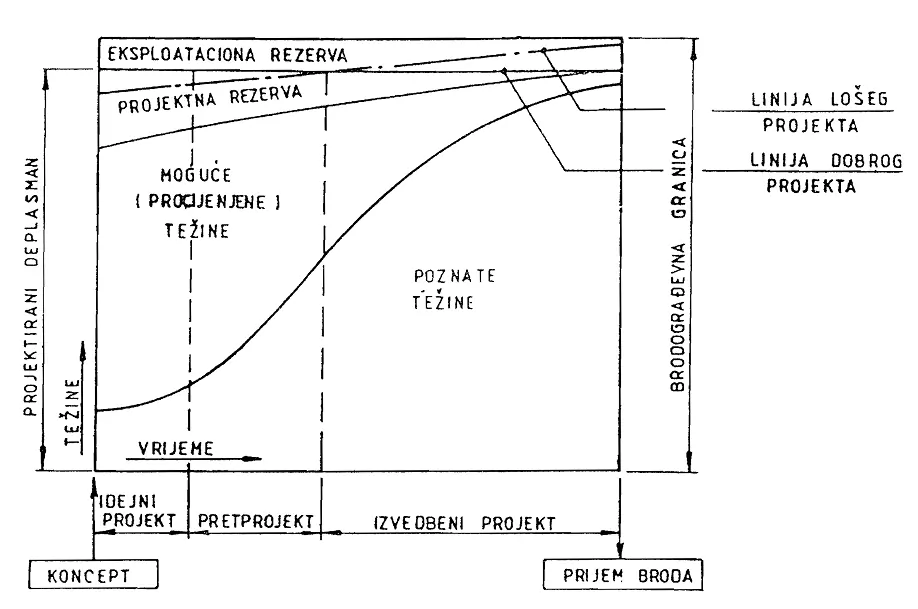
This comprehensive project-based course integrates various naval architecture disciplines to address the complex task of ship design. Students develop a preliminary design for a vessel, balancing requirements for stability, resistance, structures, and systems while ensuring compliance with safety regulations and economic objectives.
-
Summer · FESN04
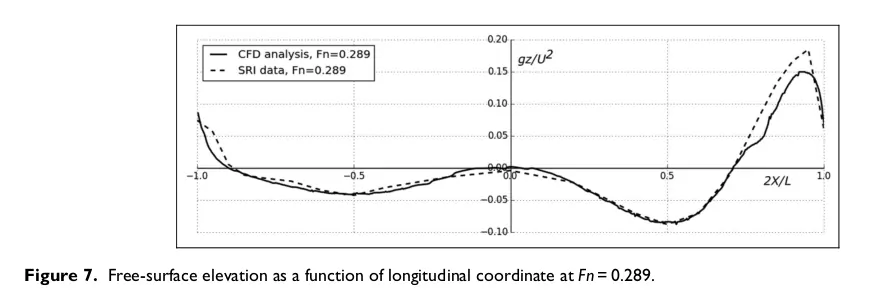
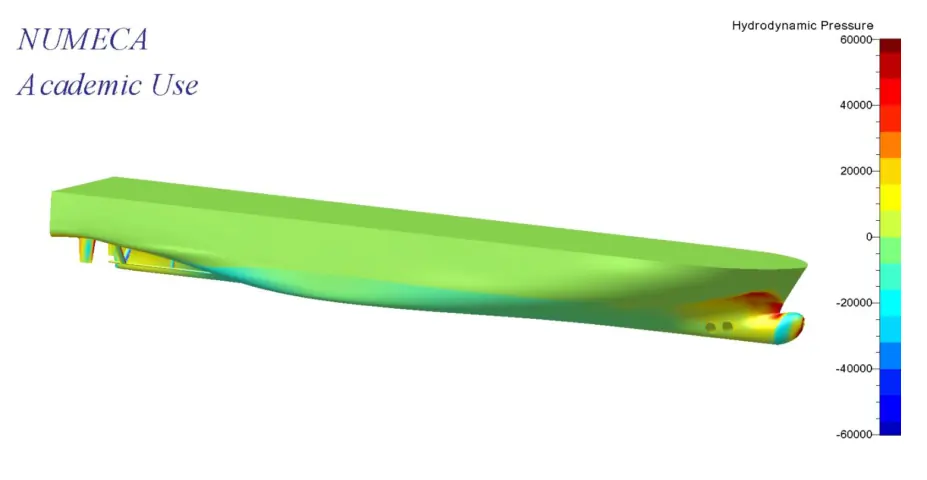
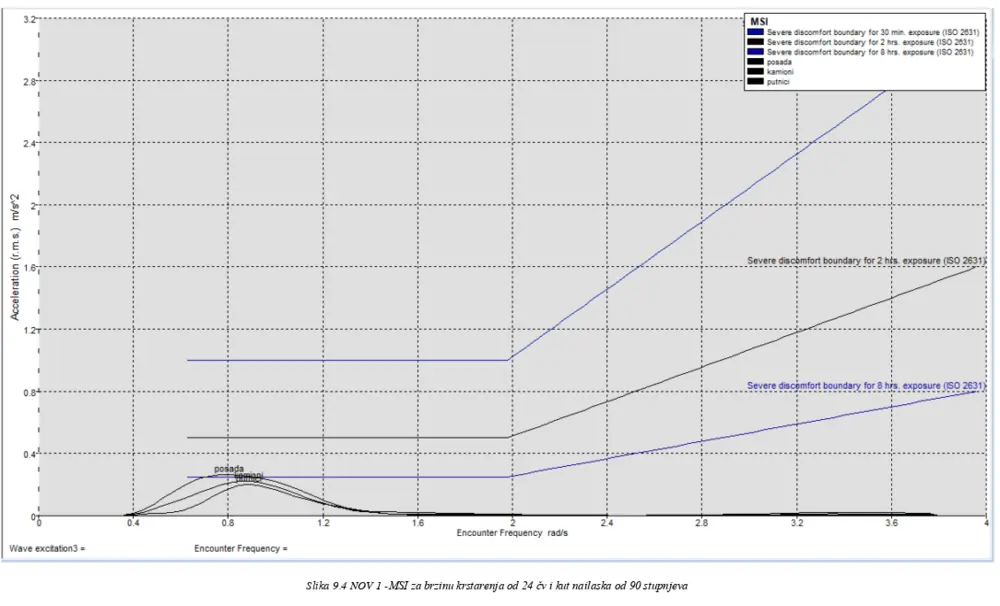
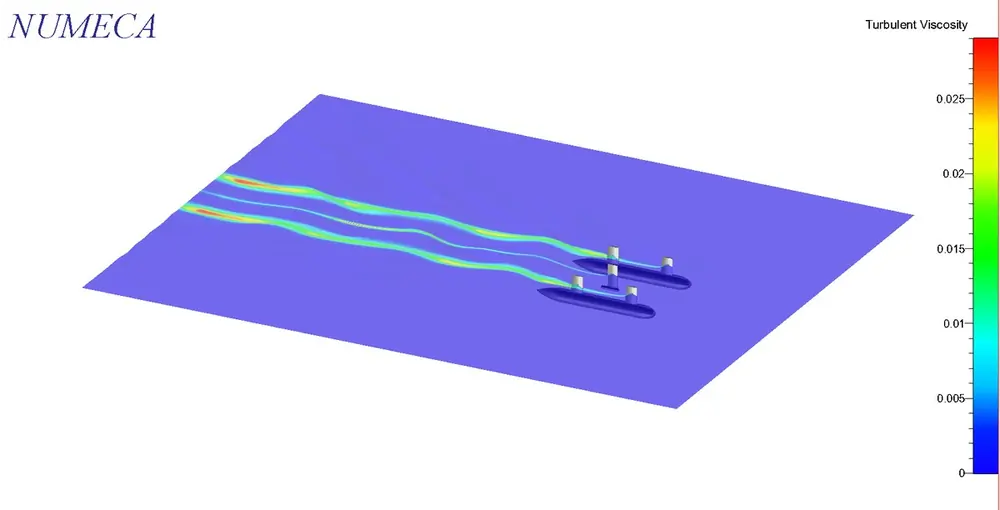
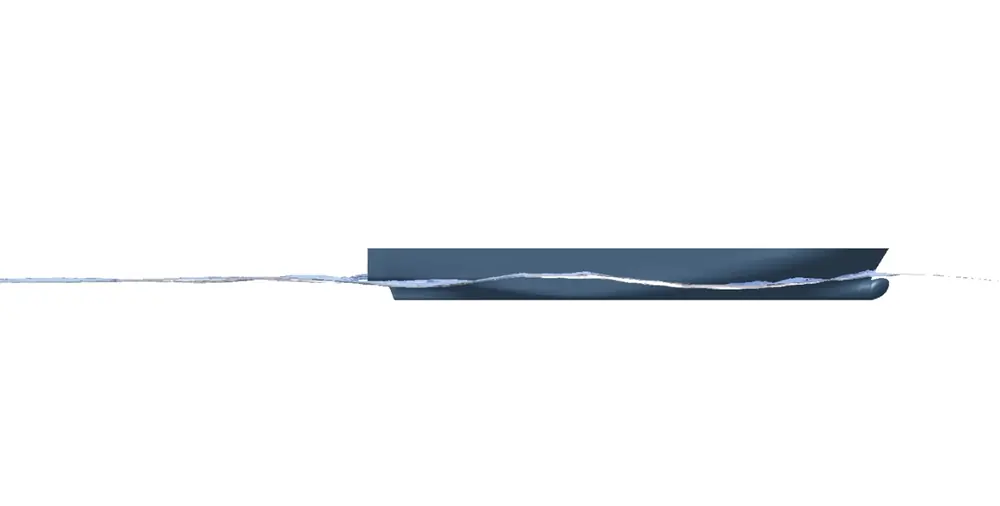
This course explores ship motions on regular and irregular waves, together with maneuverability in deep and shallow waters. Students will learn how to calculate simple sea-keeping and maneuvering ship particulars.
-
Winter · FESN10 · Elective
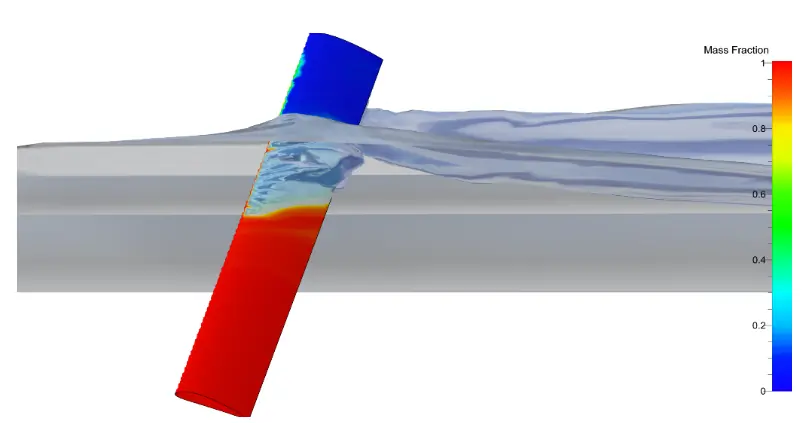
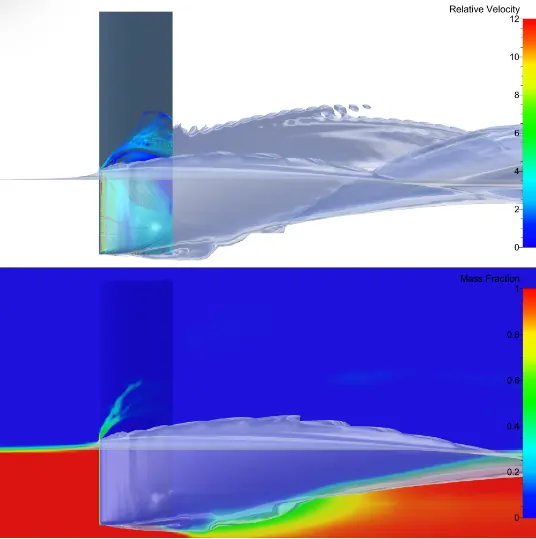
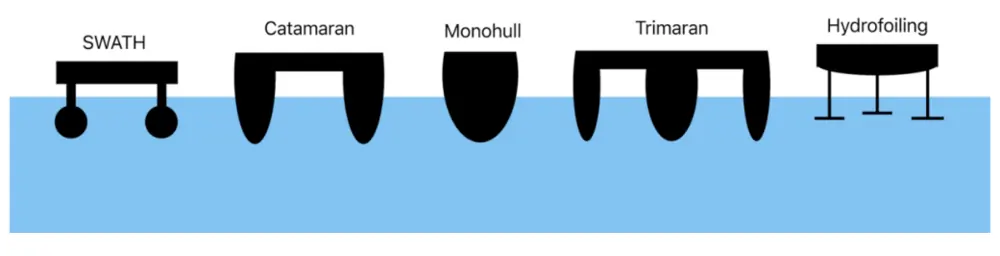
This course explores the design and hydrodynamic characteristics of high-speed craft, addressing resistance estimation, dynamic stability, and performance analysis. Students study specialized hull forms such as catamarans and hydrofoils, utilizing advanced computational tools to optimize vessel behavior in various sea states.
-
Winter · FESN12 · Elective
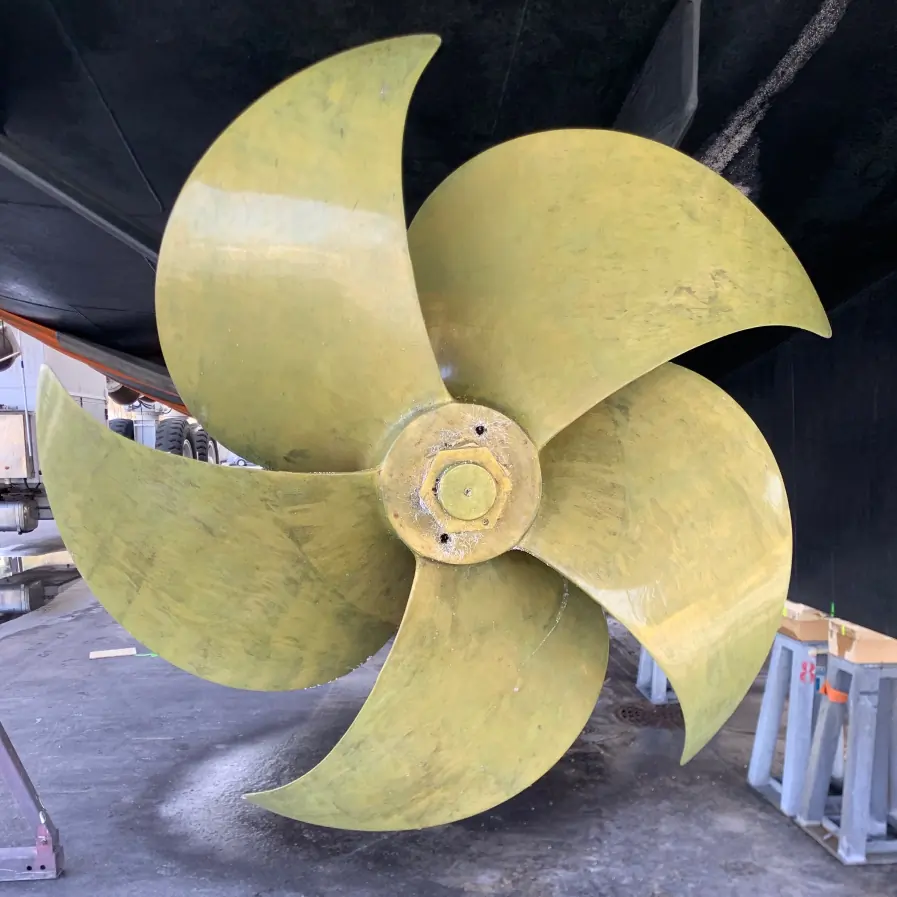
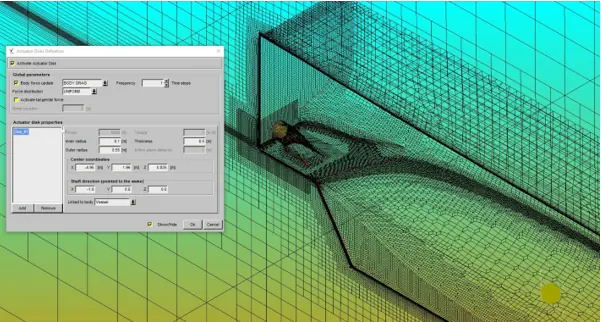
This course provides an advanced study of ship propulsion systems. Students explore the theory of screw propellers, cavitation phenomena, and the design of specialized propulsors such as waterjets and controllable pitch propellers, with an emphasis on performance optimization and interaction with the ship hull.
-
Winter · FESN20 · Elective
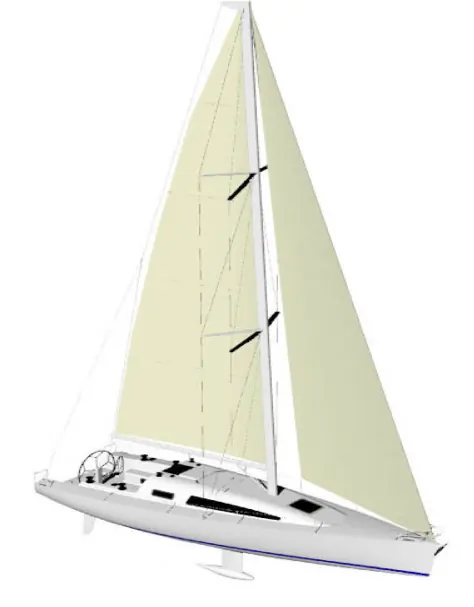
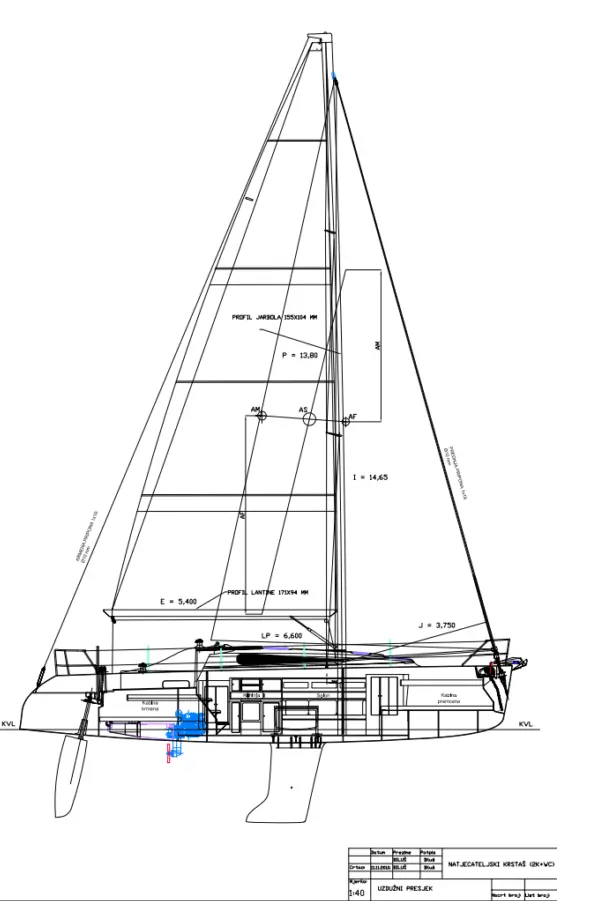
This course provides an understanding of the fundamental principles of sailing and the process of sailboat design. Students study the aerodynamic and hydrodynamic forces acting on the sails and hull, mast strength calculation, and performance assessment using velocity prediction programs (VPP).
-
Winter · FESN21 · Elective
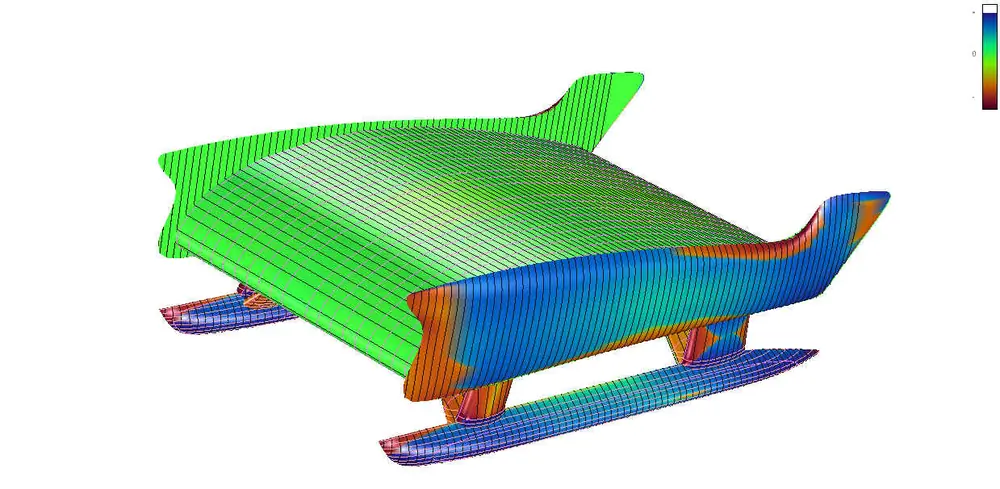
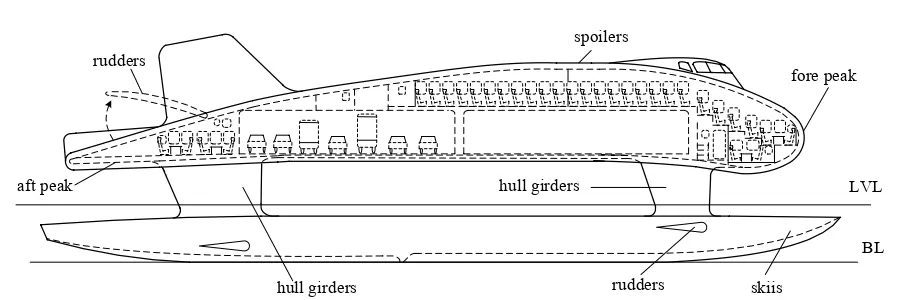
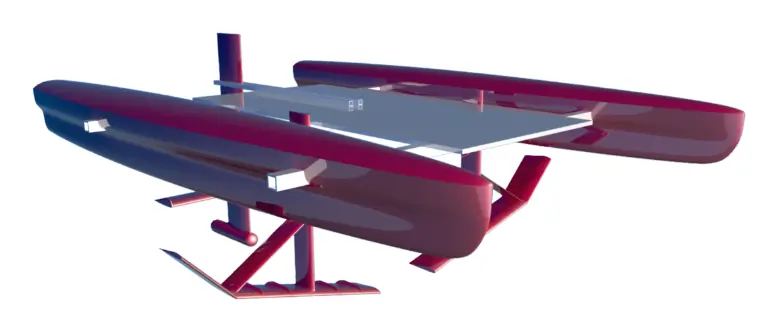
This course investigates the design features and operational limits of advanced marine vehicles, such as hydrofoils, SWATH, and air-cushion vehicles. It covers resistance estimation, power demand analysis, and the application of classification rules for non-traditional craft, emphasizing the use of CFD for hydrodynamic assessment.
-
Winter · FESN02
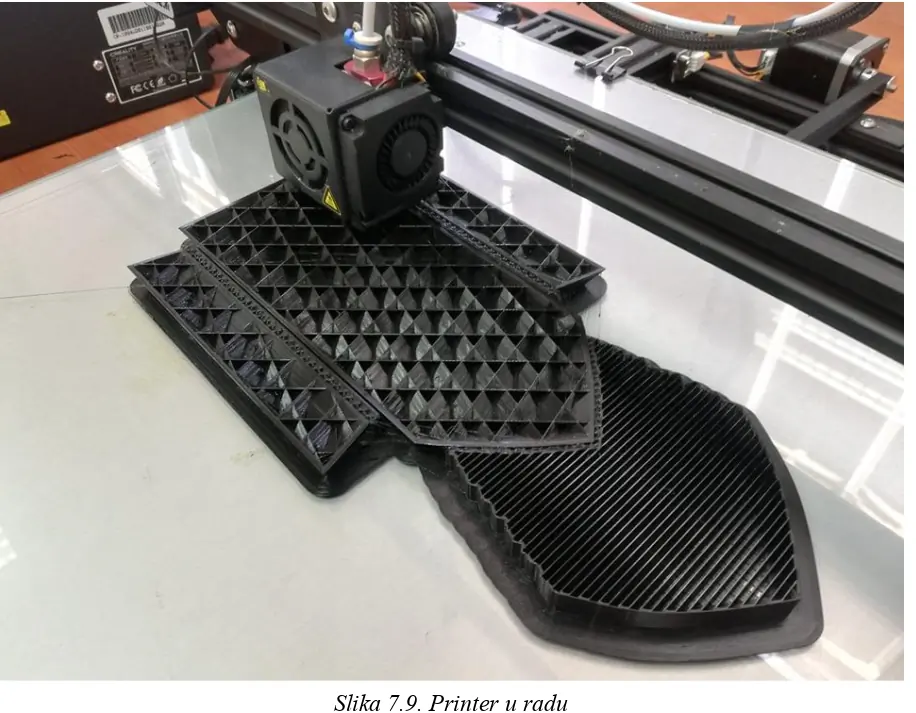
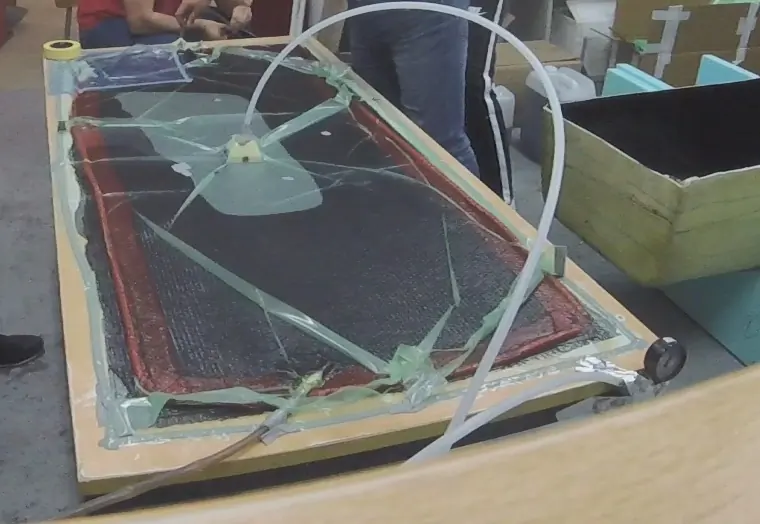
This course explores advanced materials used in modern marine construction, including high-strength steels, aluminum alloys, and composite materials. It covers their mechanical properties, weldability, and specific manufacturing technologies required for their successful application in high-performance shipbuilding.

-
Summer · FESN15 · Elective
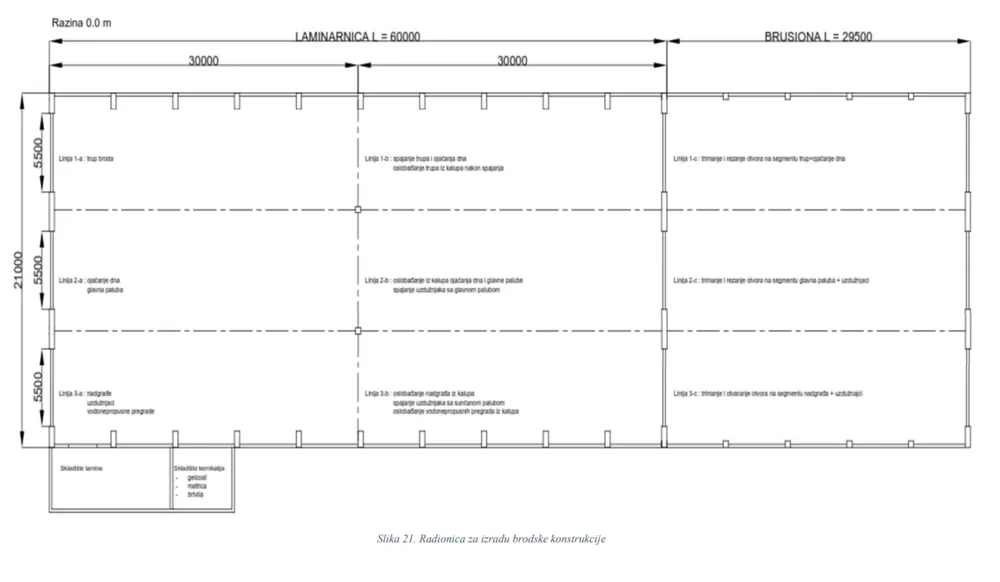
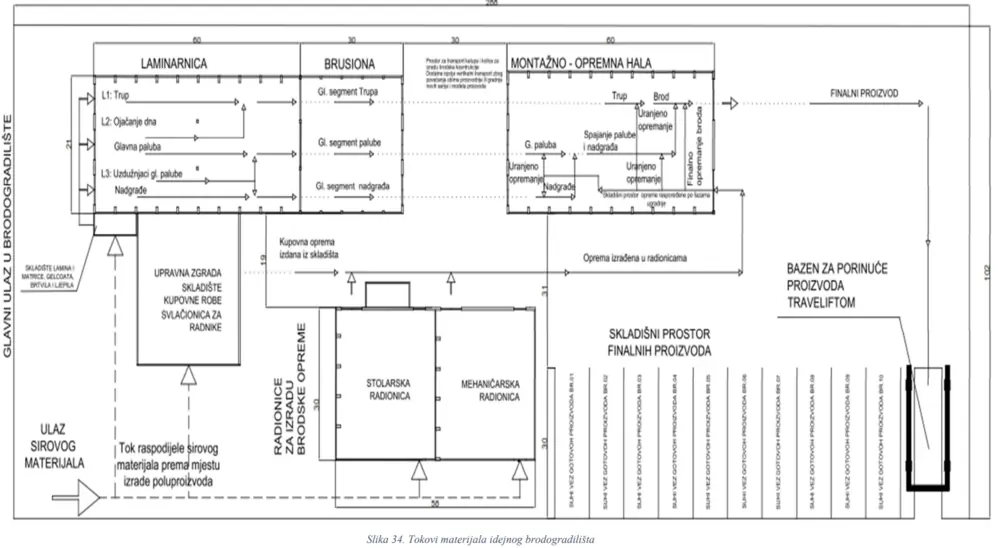
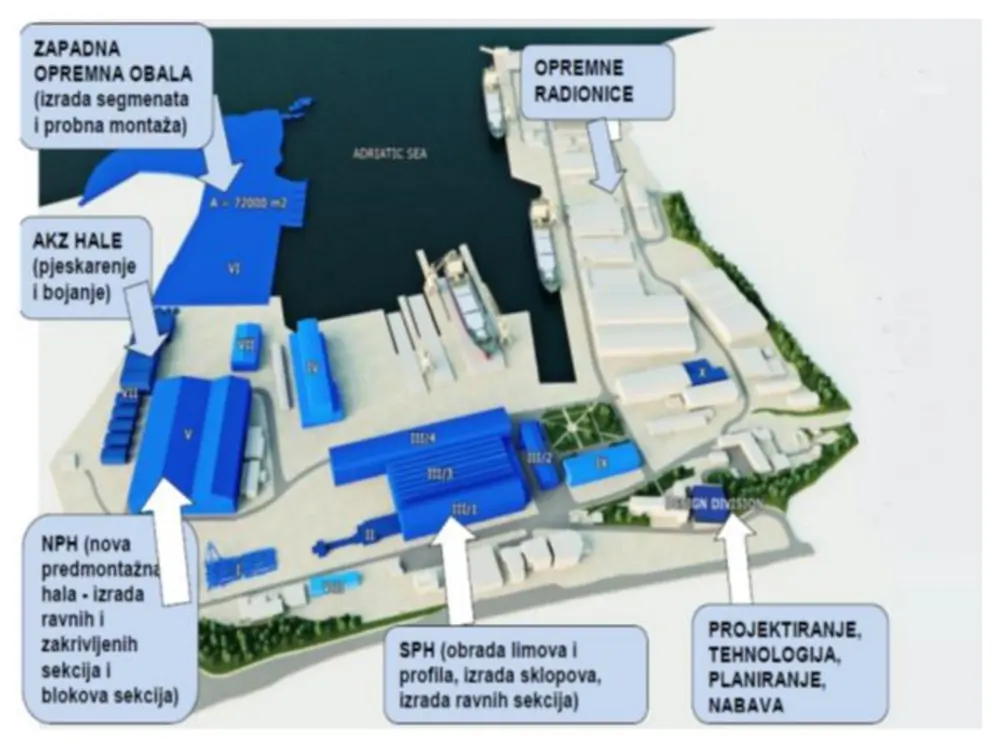
This course addresses the layout and infrastructure planning for efficient shipyard operations. Students study material flow optimization, the selection of production equipment, and the design of specialized facilities for ship assembly, launching, and repair.
-
Winter · FESN14 · Elective
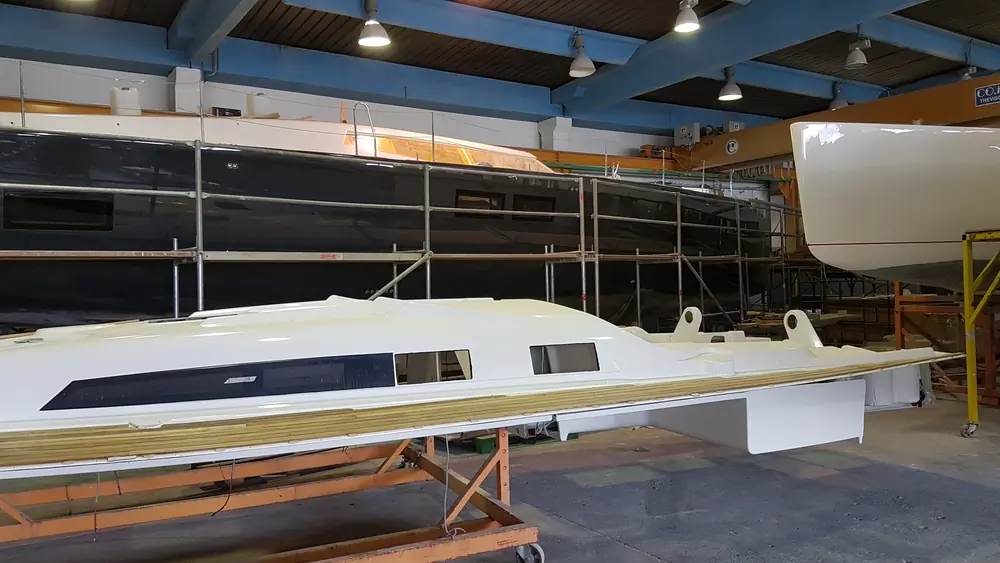
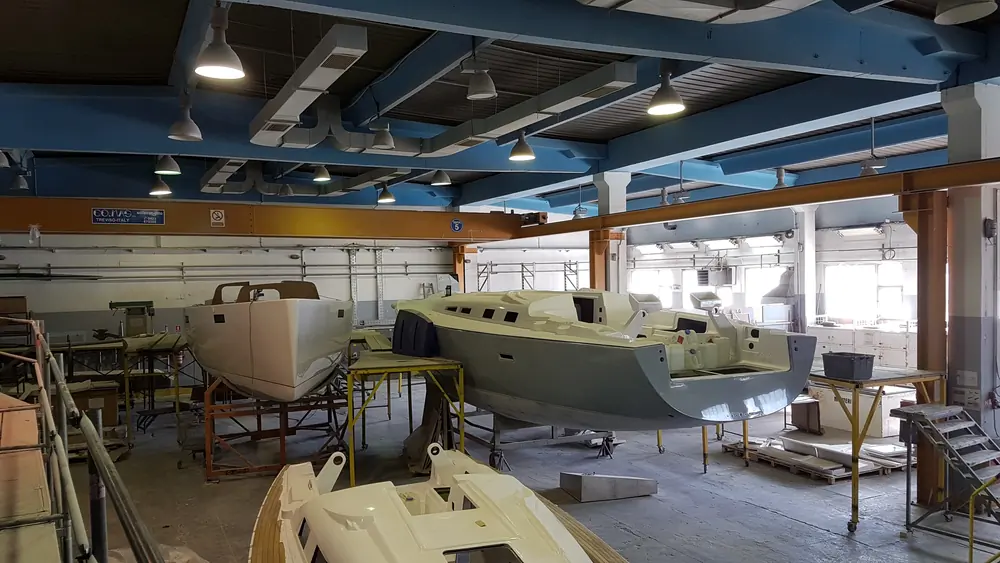
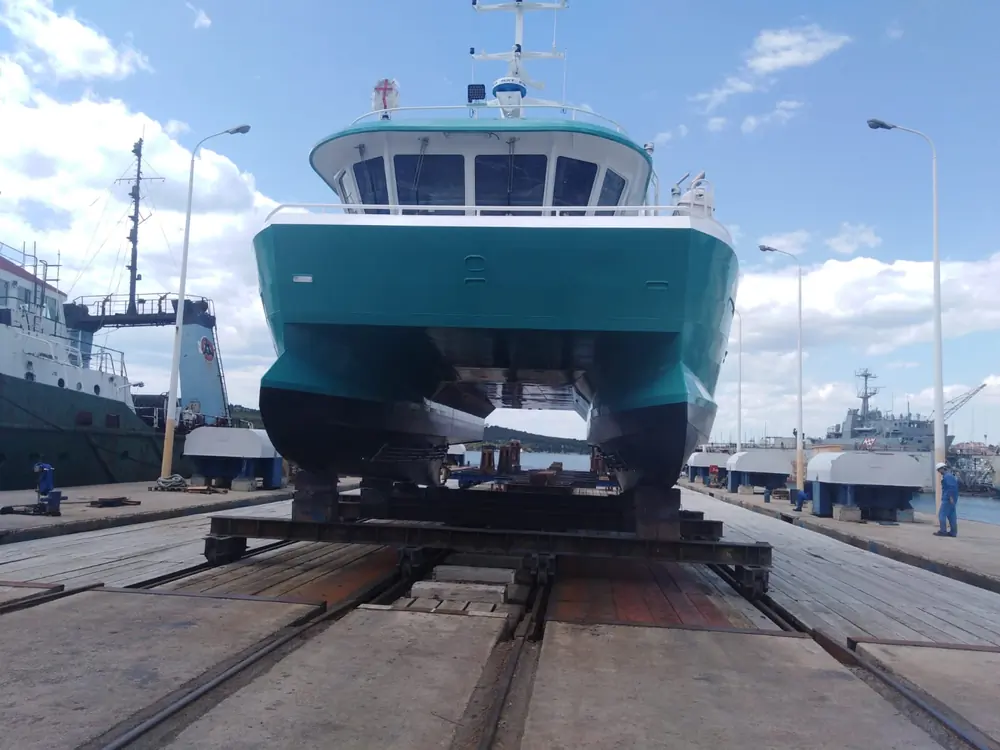
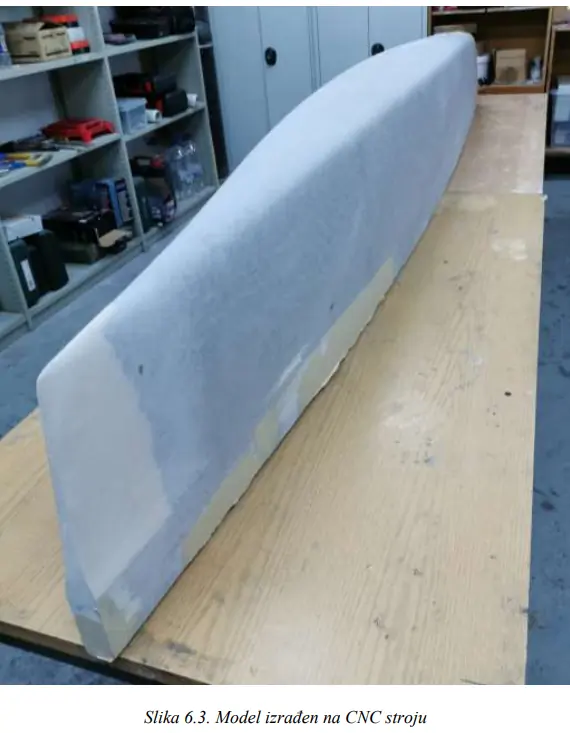
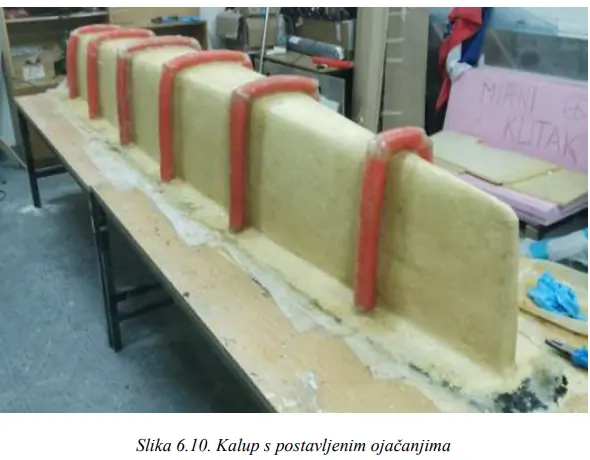
This course introduces students to the specialized production processes for small craft. It covers the selection of building materials, workshop layout design, material flow optimization, and the specific assembly techniques used in the manufacturing of pleasure craft and utility boats.
-
Winter · FESN25 · Elective
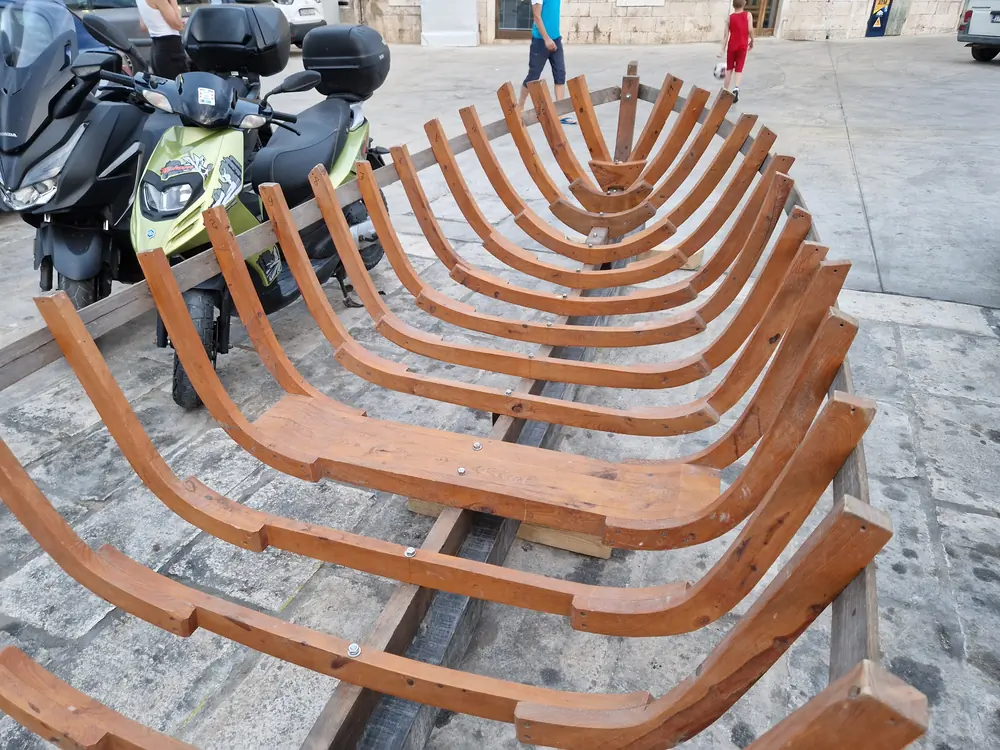
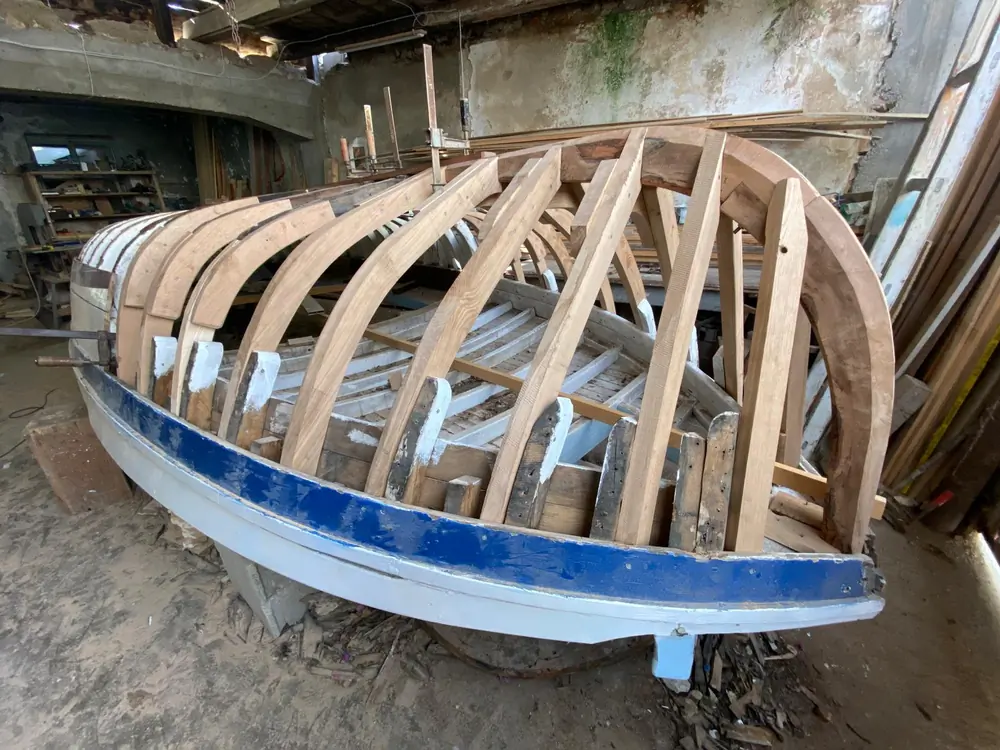
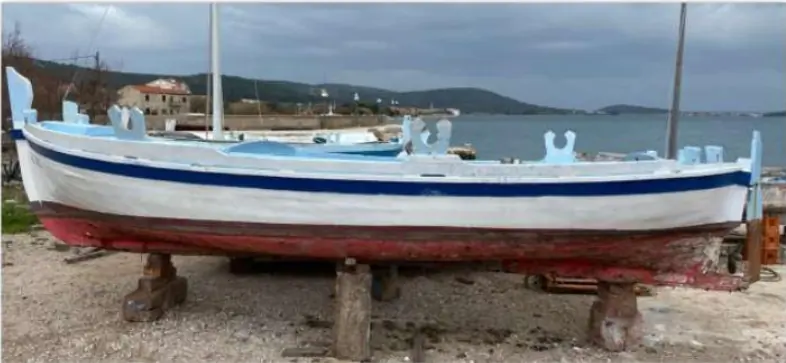
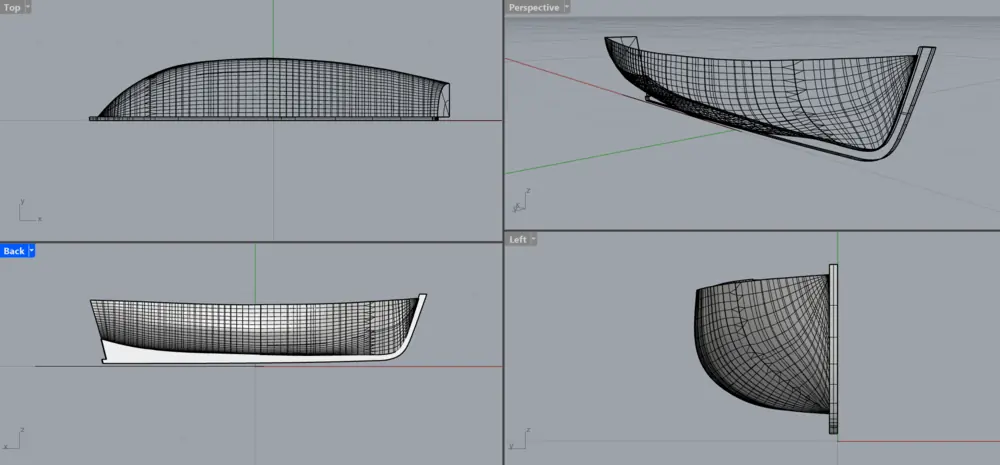
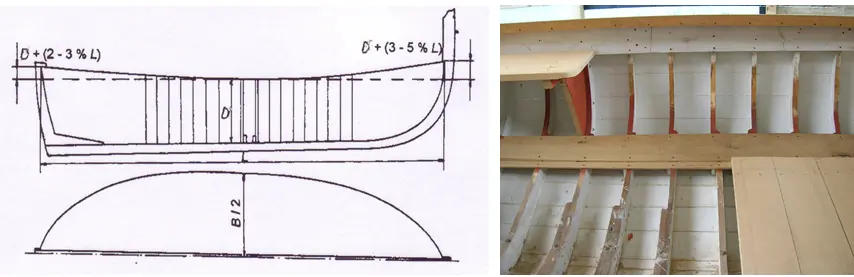
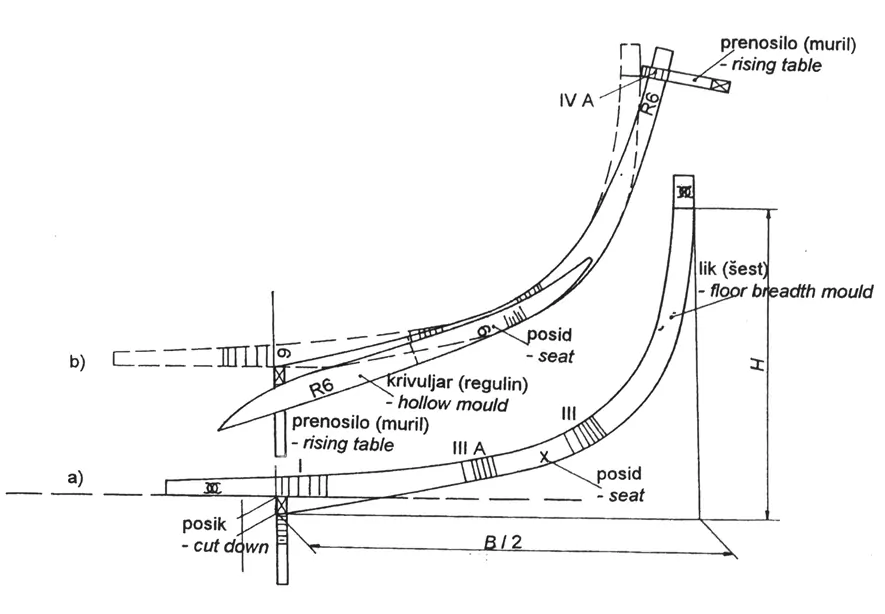
This course explores the history and technology of traditional wooden shipbuilding. Students study the properties of different wood species, traditional construction methods, the application of classification rules to wooden structures, and the techniques used in the restoration and maintenance of historical vessels.

-
Winter · FESN## · Elective
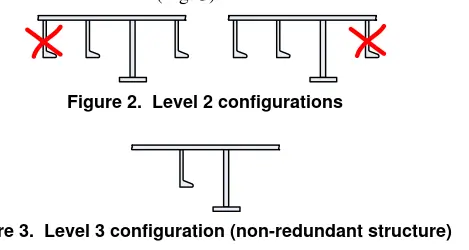
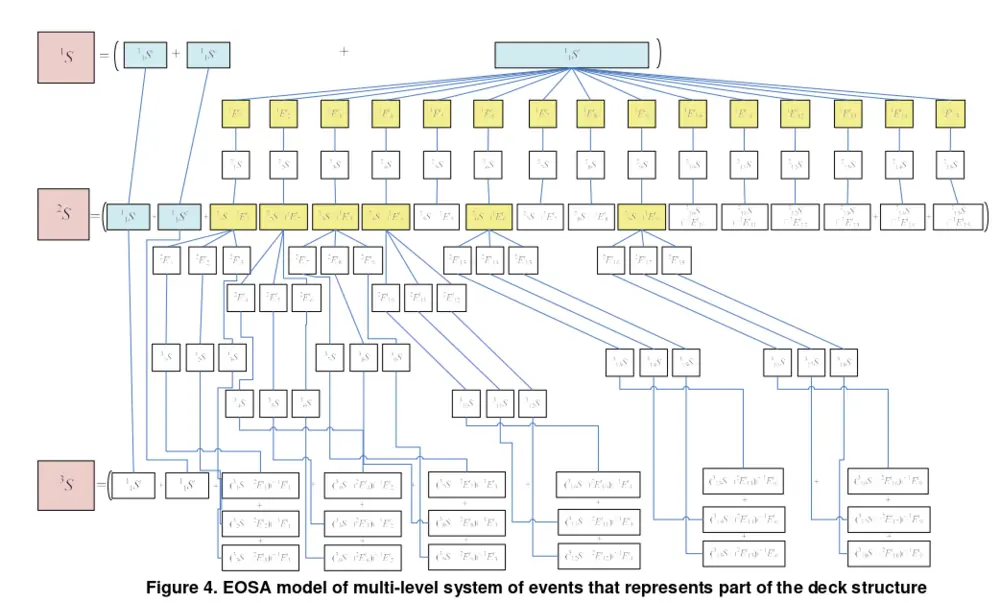
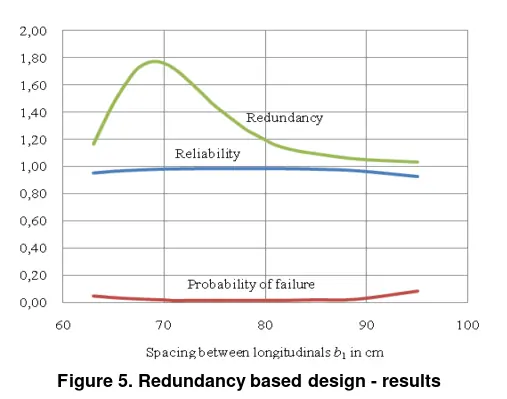
This course explores rationalnally-based structural design of marine structures. Students will learn to apply probability, reliability and risk methods in analysis of marine structures.

Erasmus+ Coordinator
Mirjana Simunić, dipl. oec. · Office A 217 · mirjana.simunic [at] fesb.hr
Contact for learning agreements, course selection, and exchange student support.
Student Projects
A decade of student-led research vessels, from autonomous underwater gliders to carbon-fibre hydrofoils.
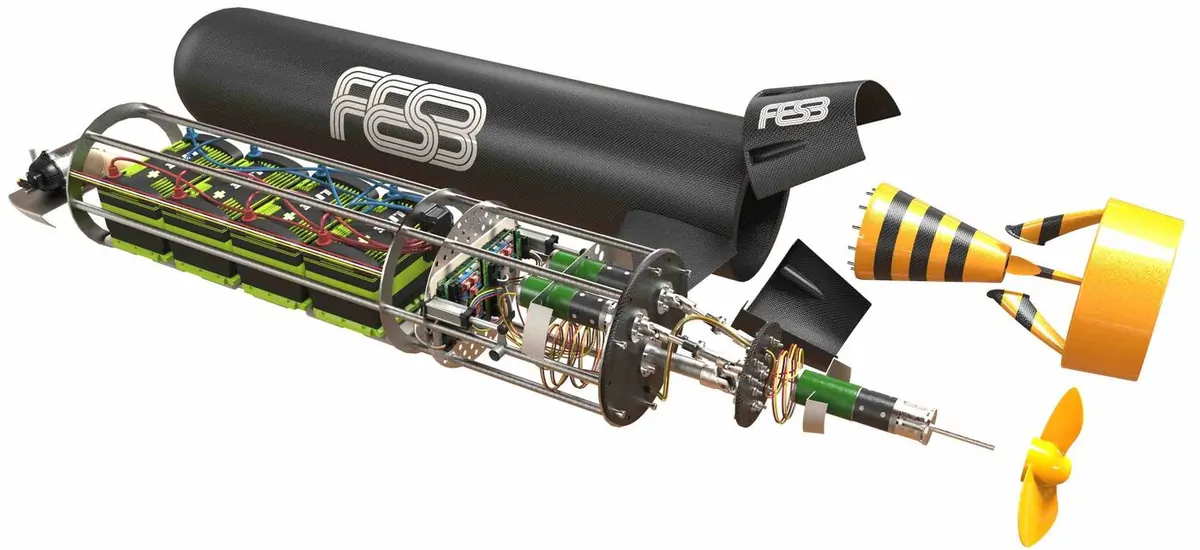
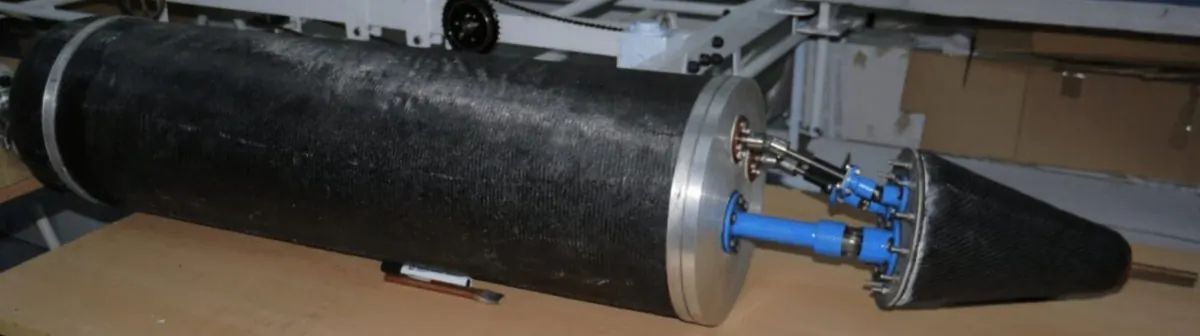
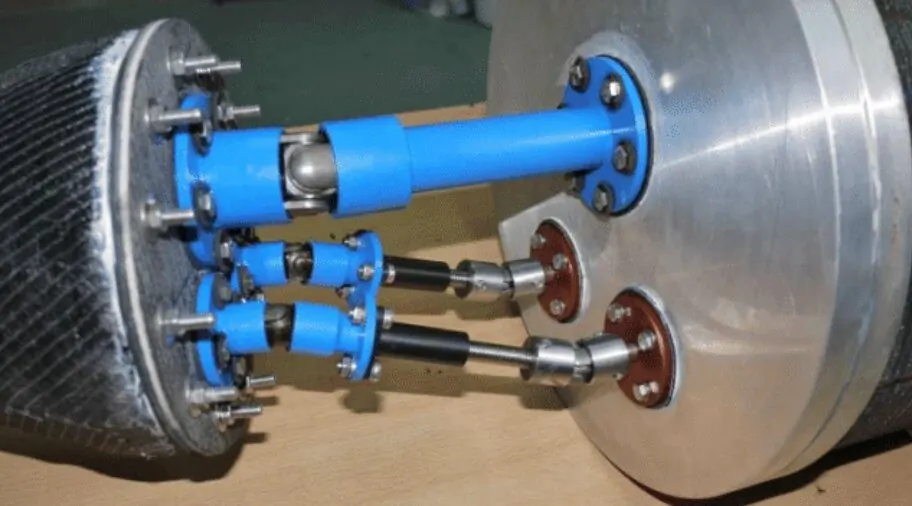
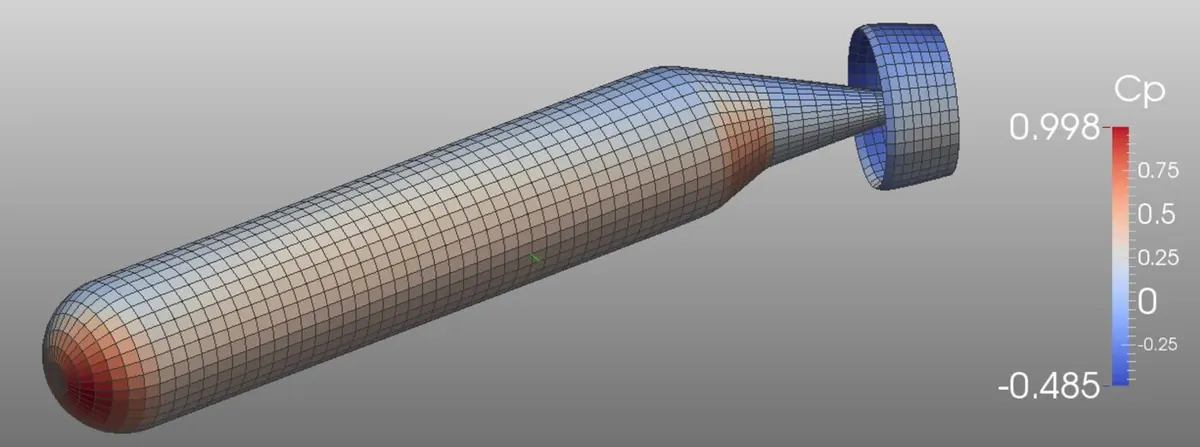
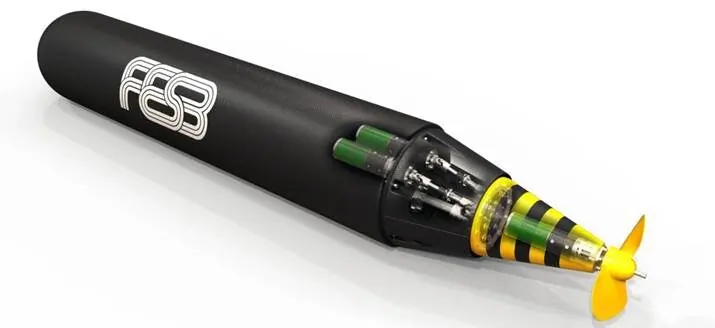
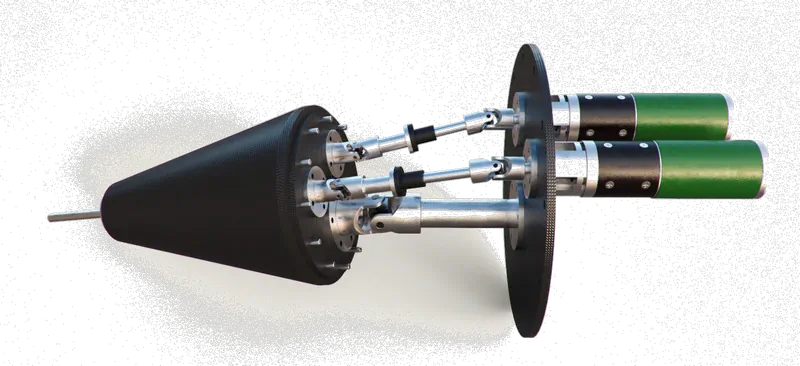
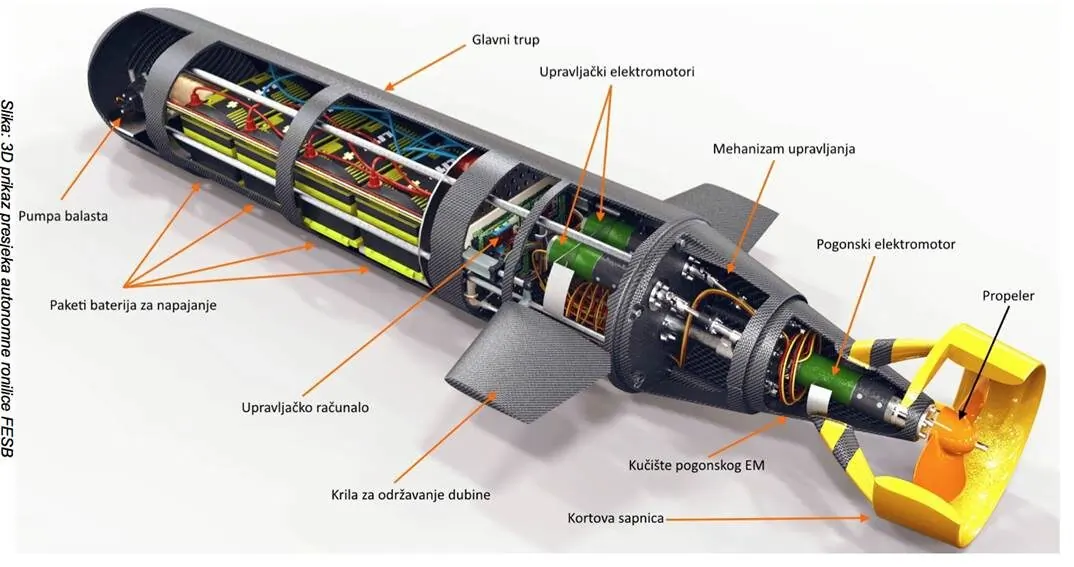
Autonomous Underwater Vehicle (AUV)
Autonomous submersibles with independent determination of position according to the surrounding terrain.
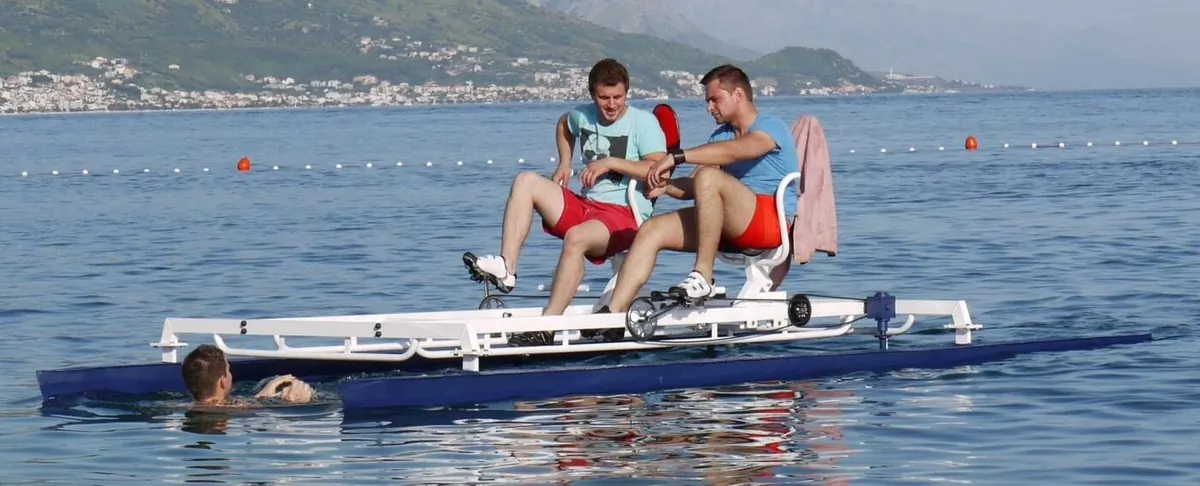
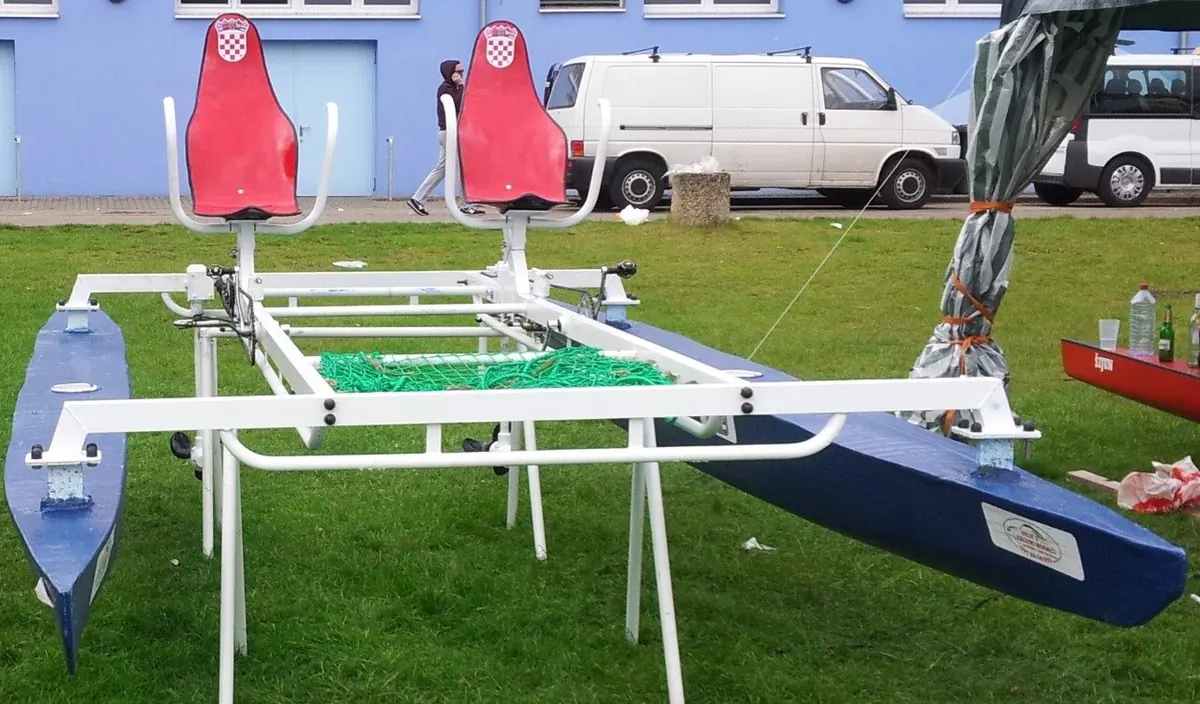
Waterbike
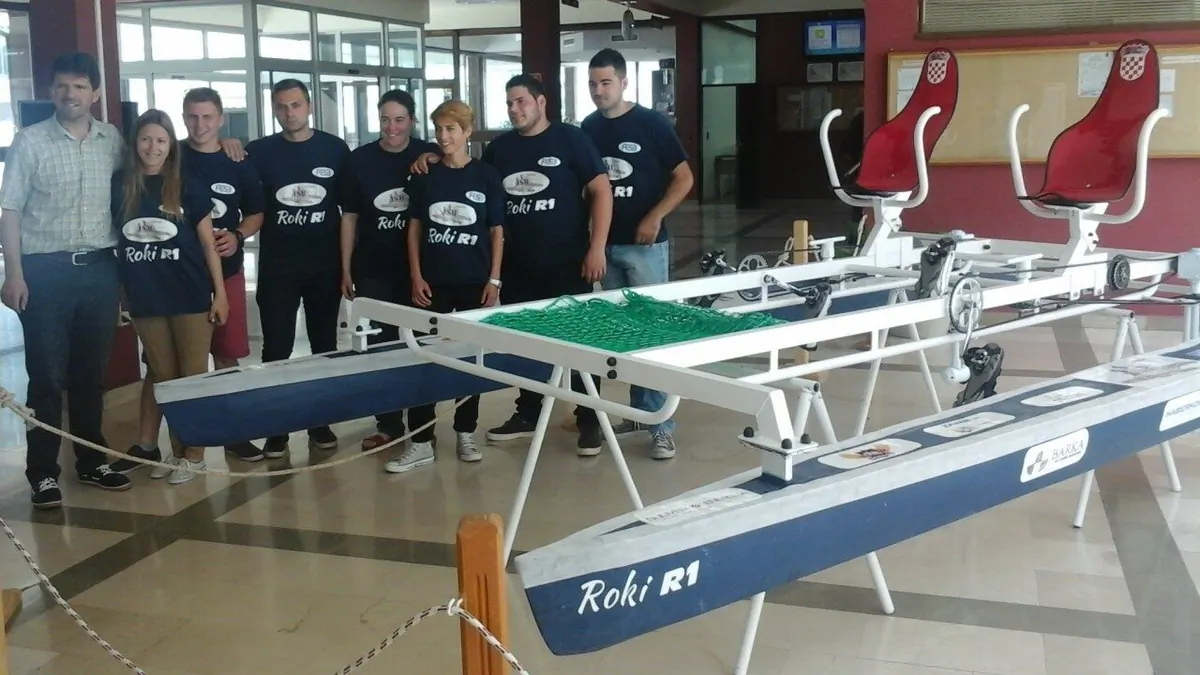
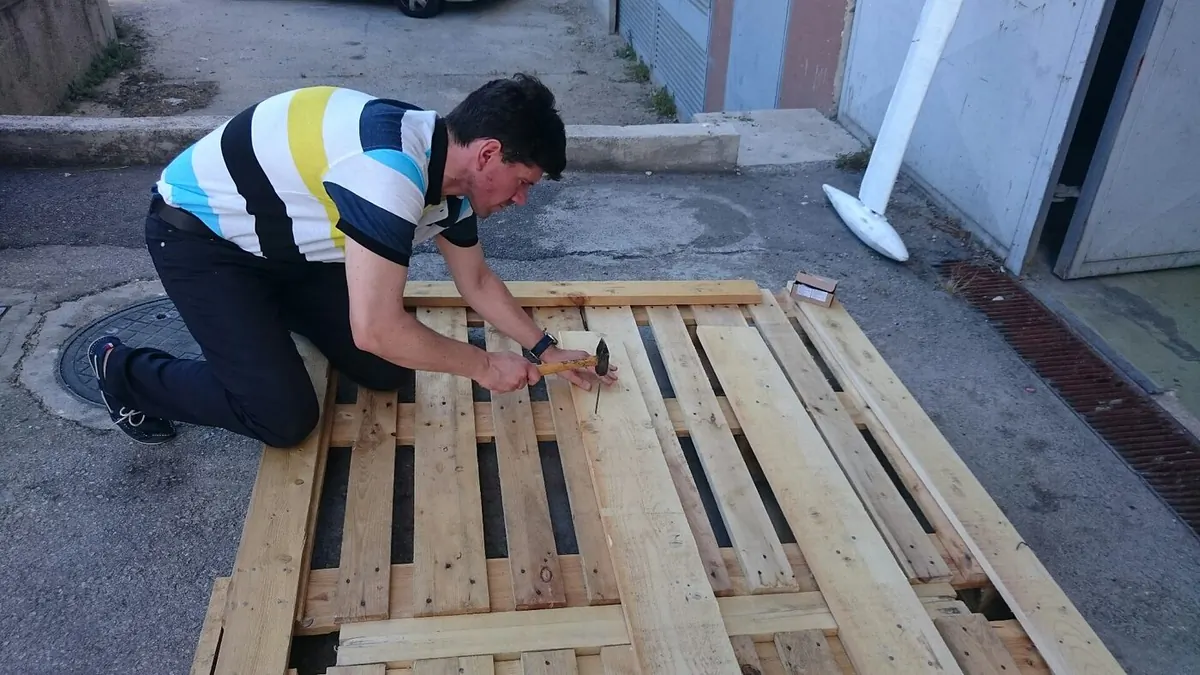
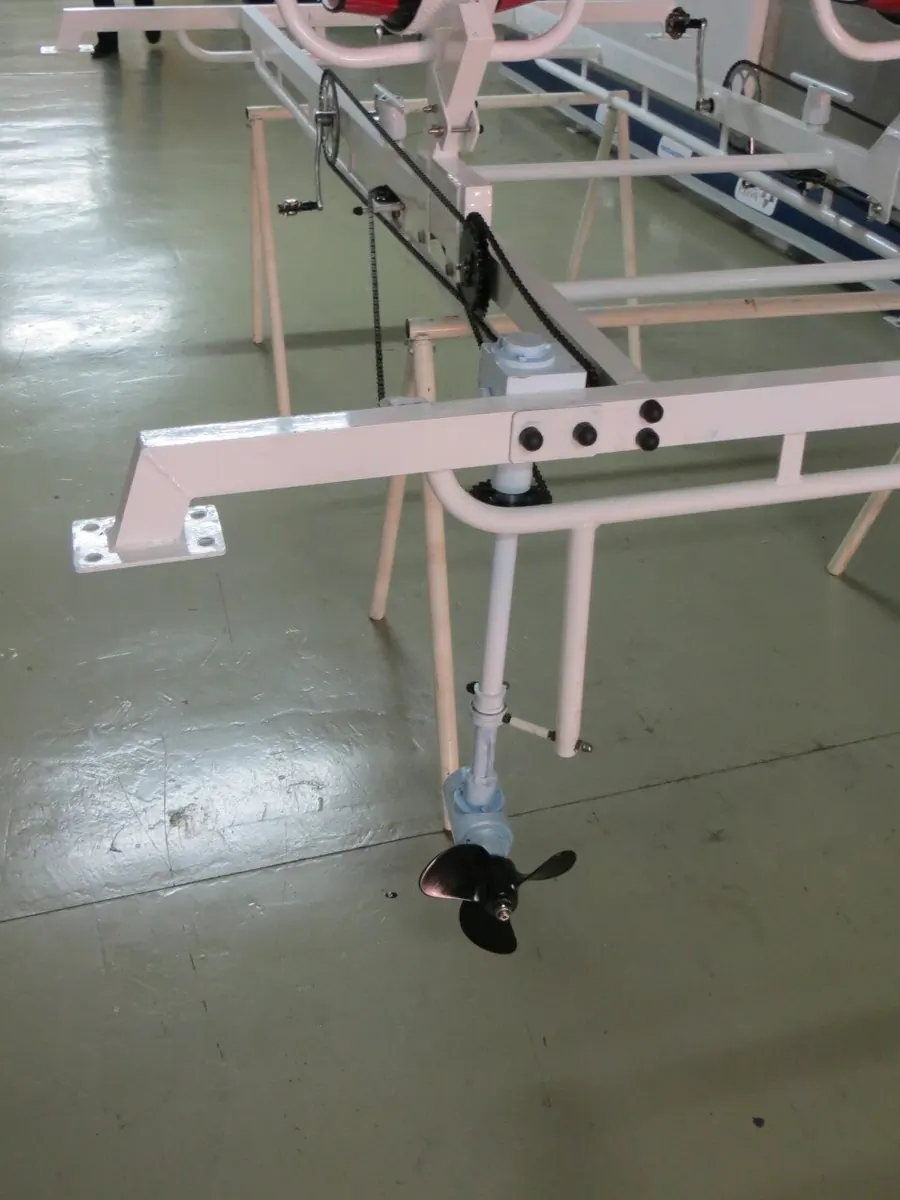
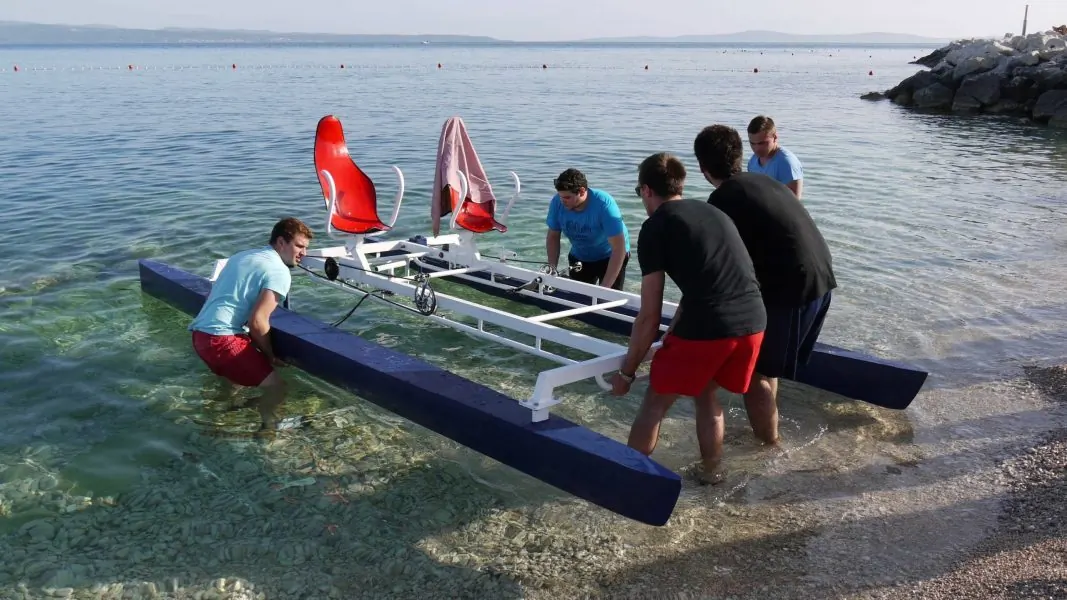
Human-powered vessel designed using CDIO methodology. Students go through the full process from design to construction and racing at the International Waterbike Regatta in Berlin, Germany. Successfully completed vessels: Roki1 and Snail.
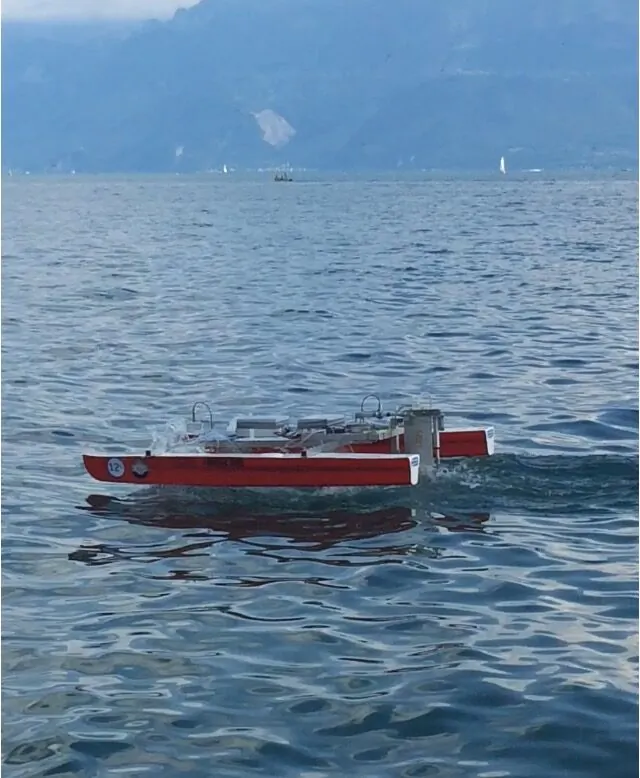
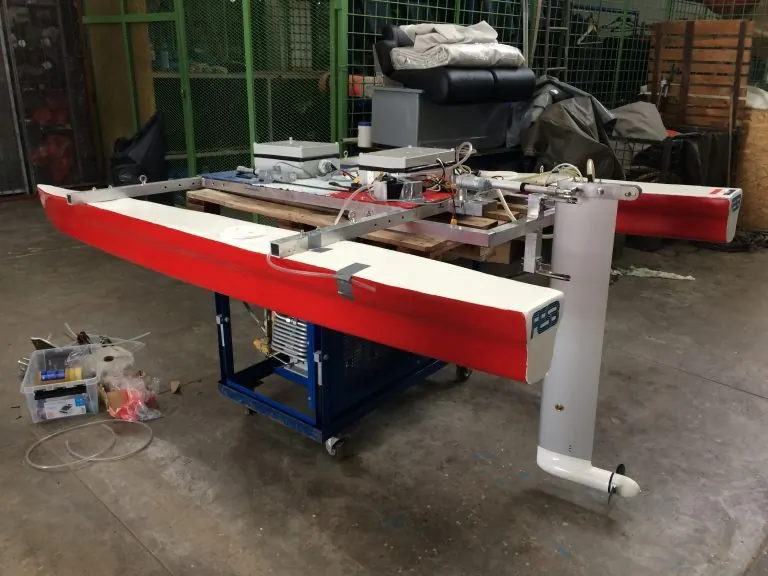
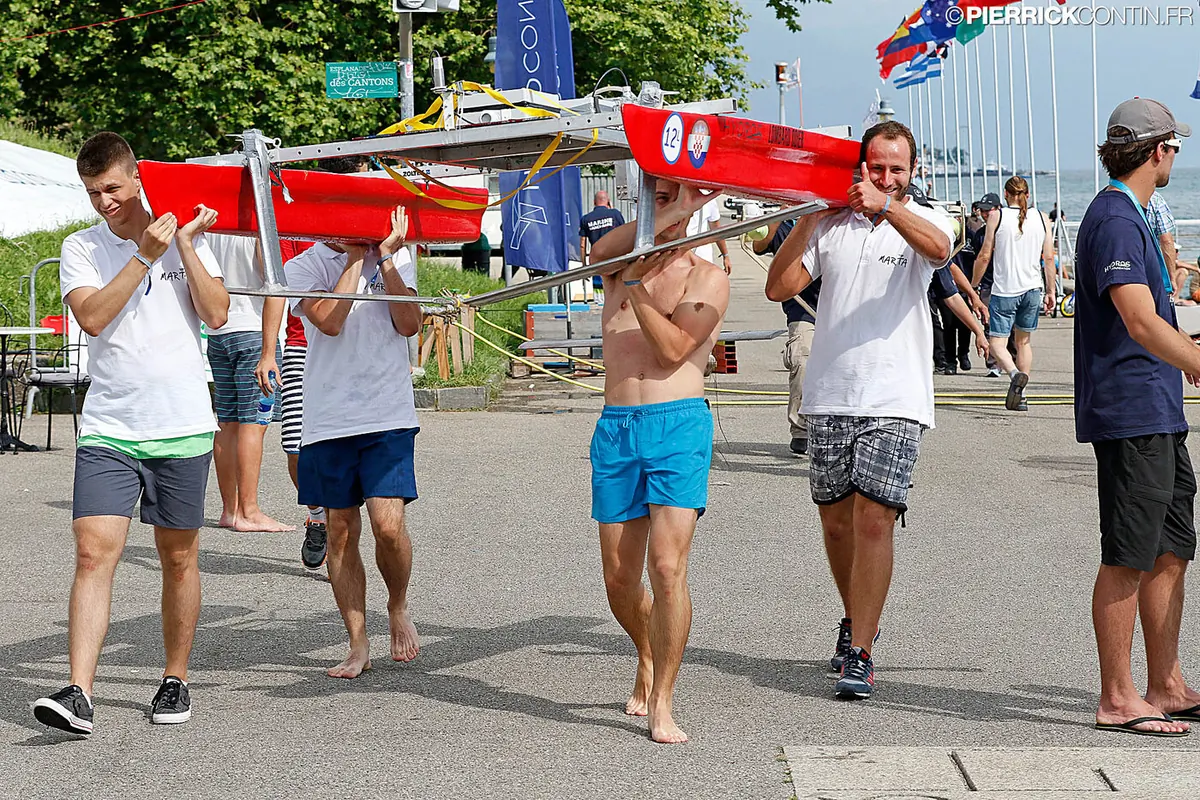
Hydrocontest 2016
International student competition held in Lausanne, Switzerland focused on energy-efficient ship design.
Hydrocontest 2019
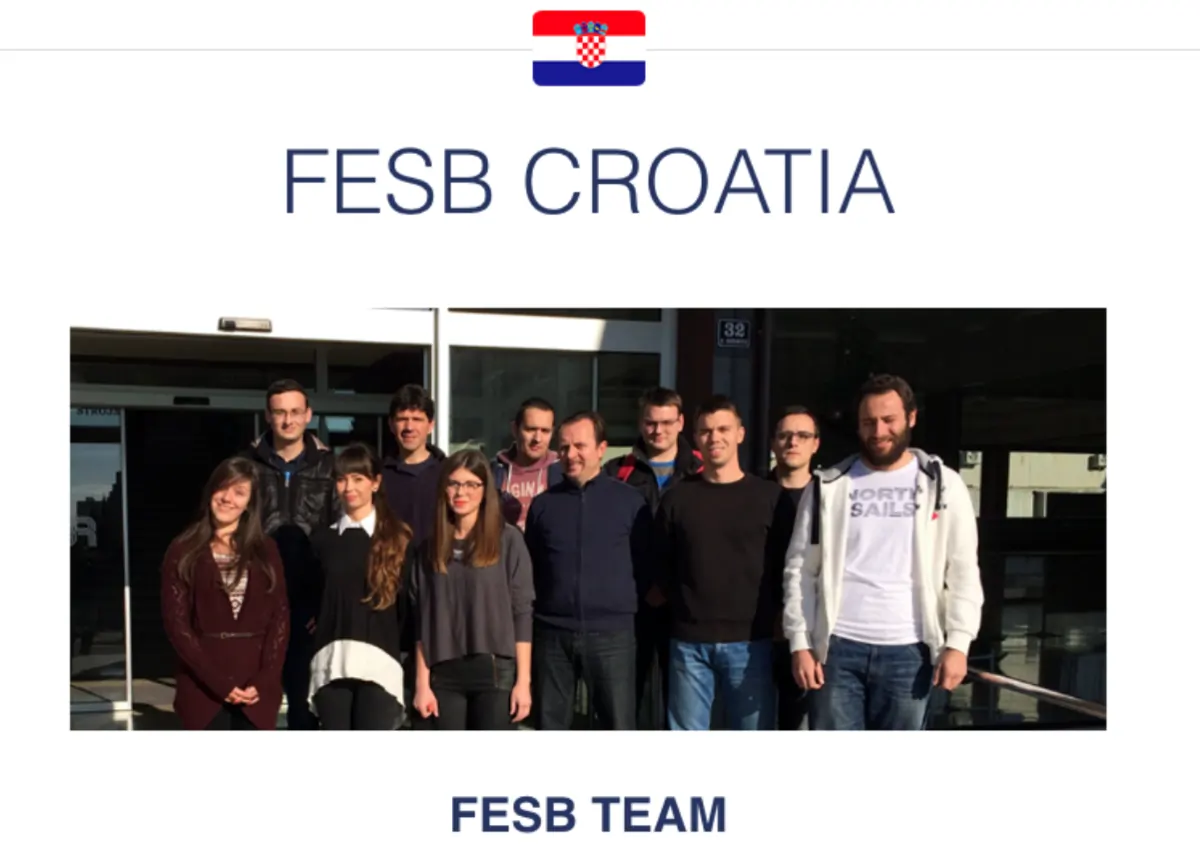
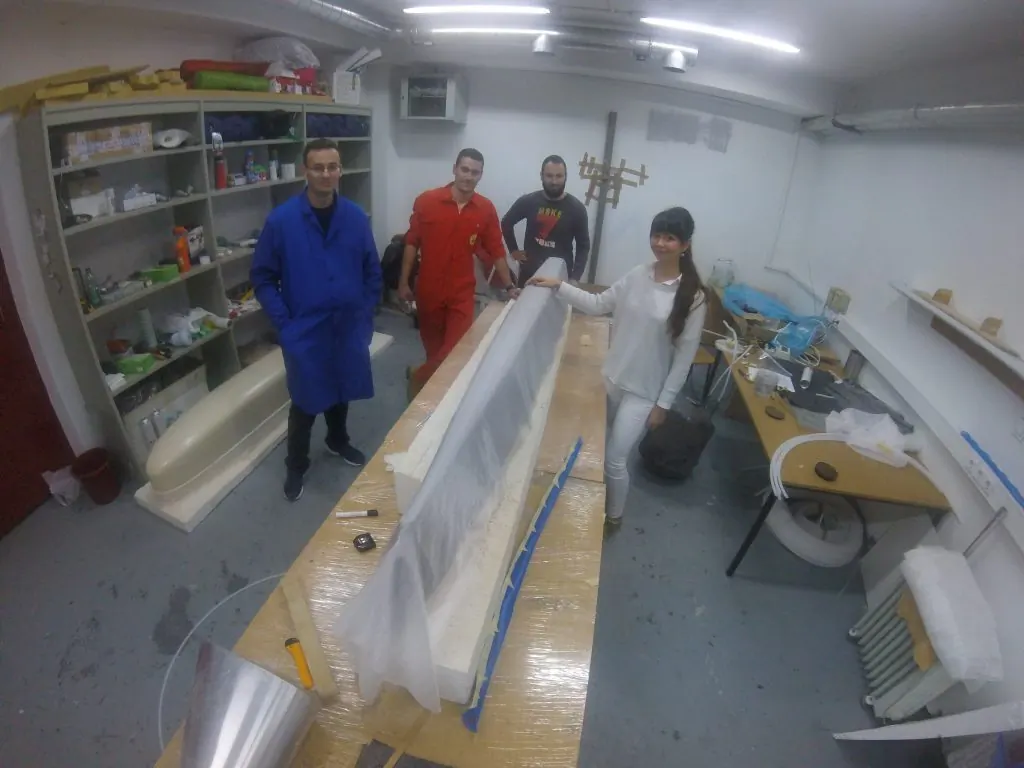
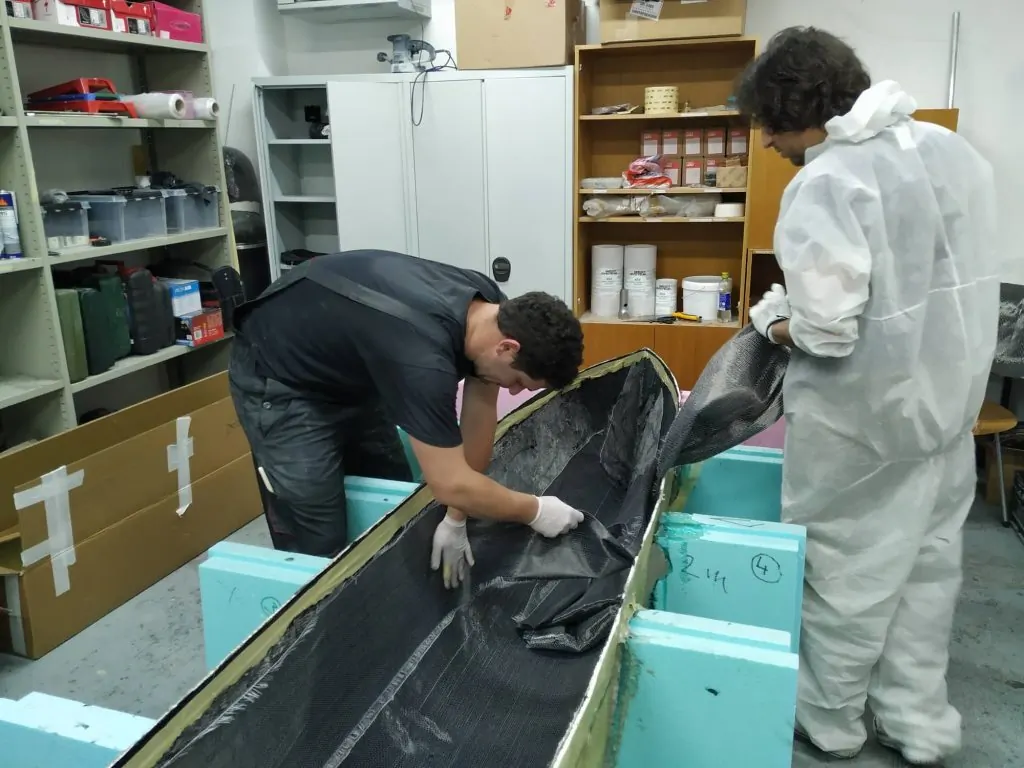
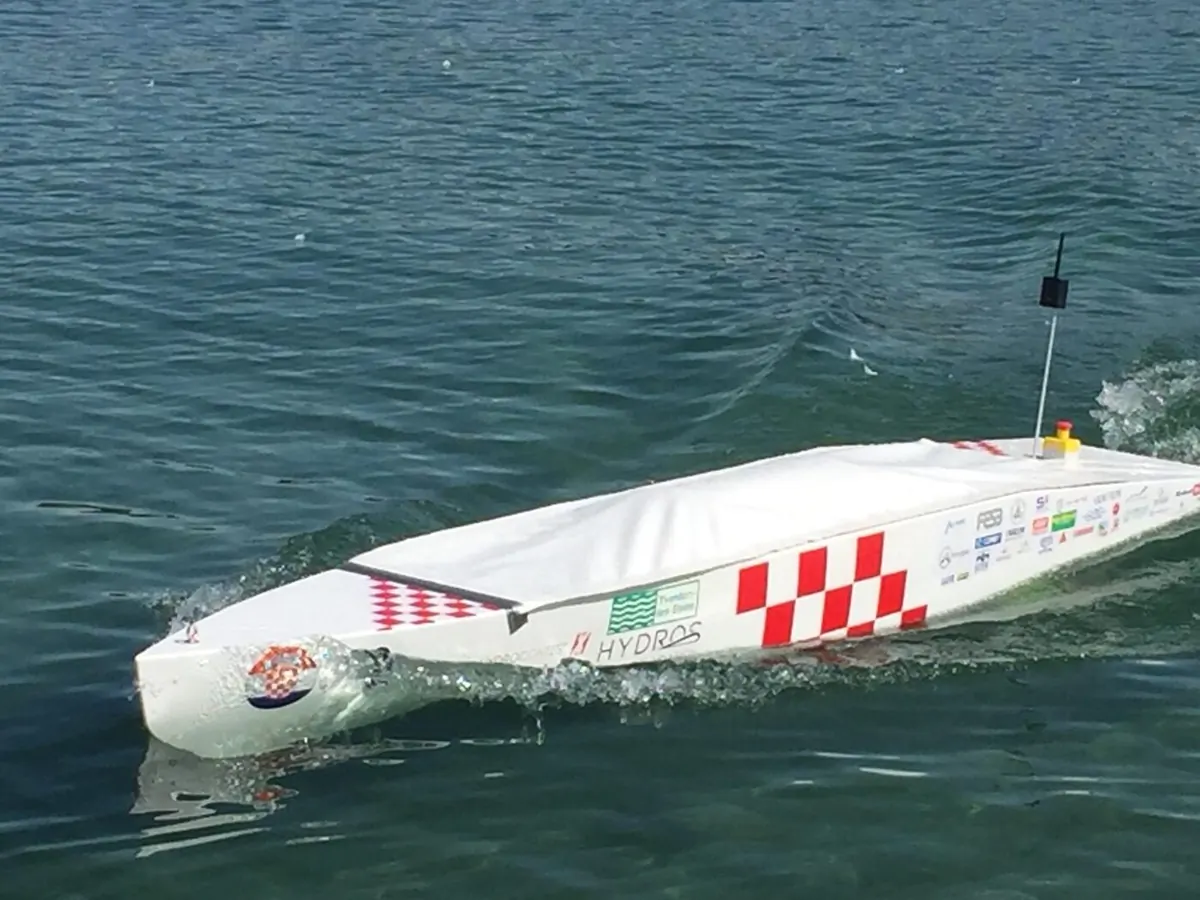
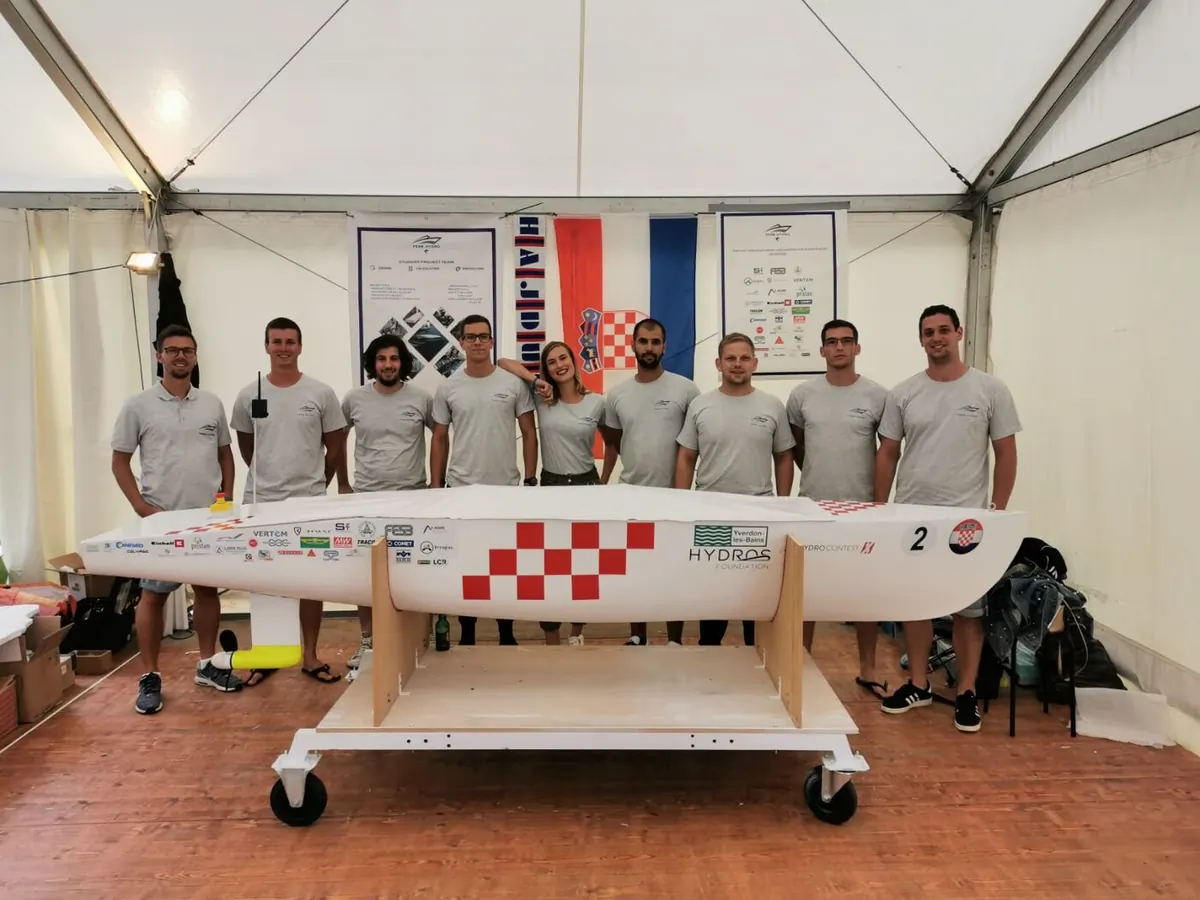
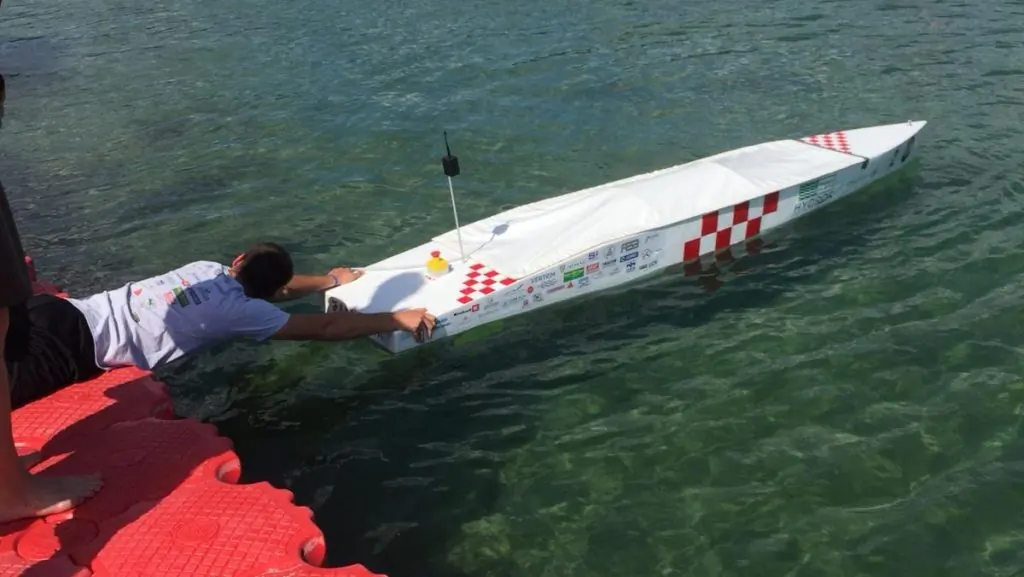
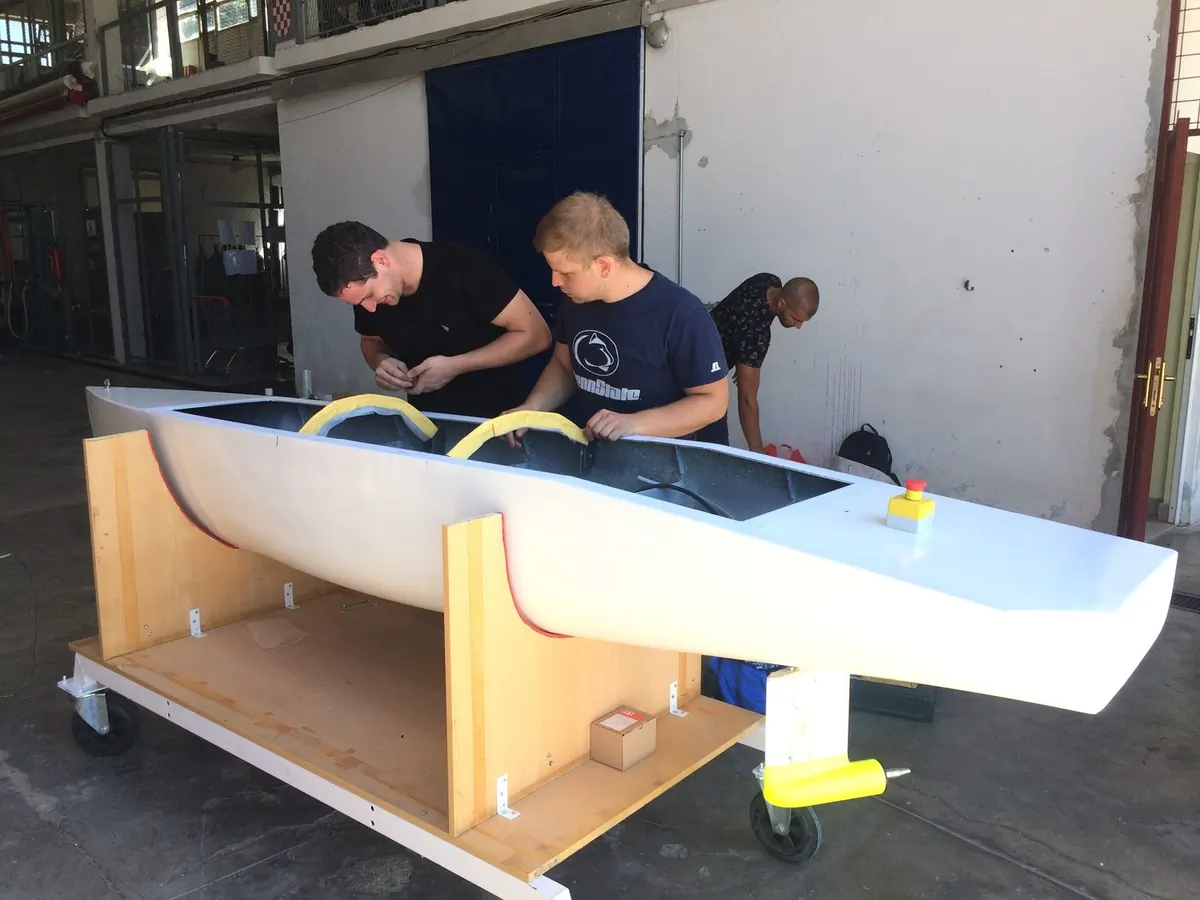
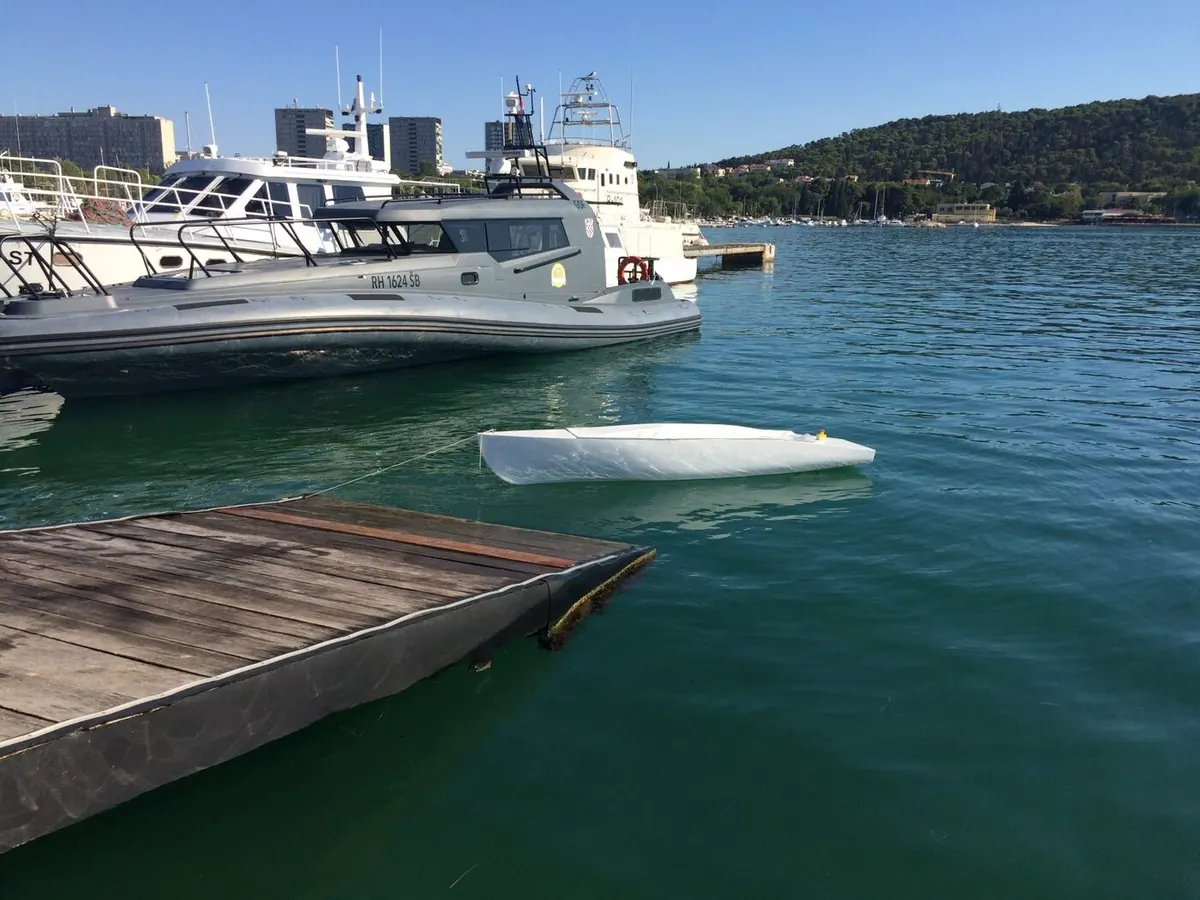
Competition in Yverdon-les-Bains, Switzerland organized with EPFL and Hydros Foundation. The FESB team built "Jadranka" — a heavyweight category vessel designed using CFD and FEM, constructed with advanced carbon fiber composites.
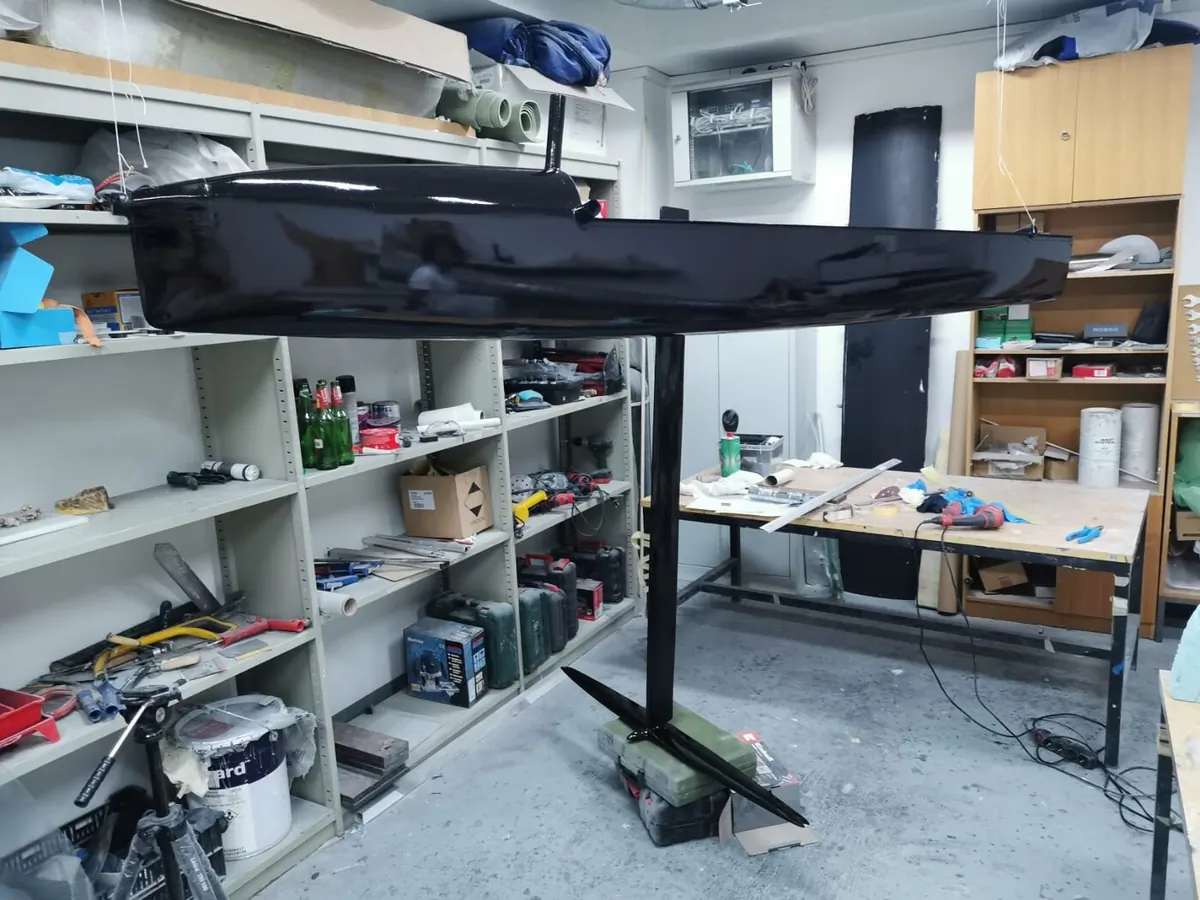
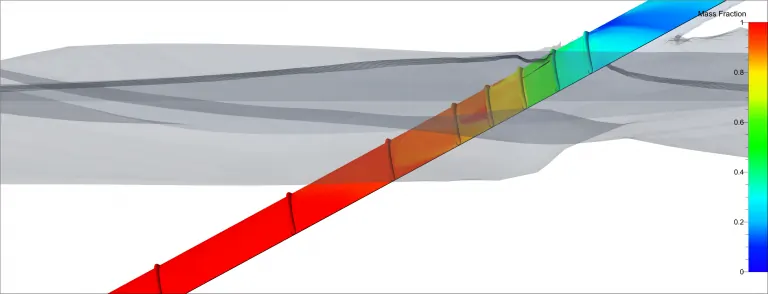
MOTH Sailboat
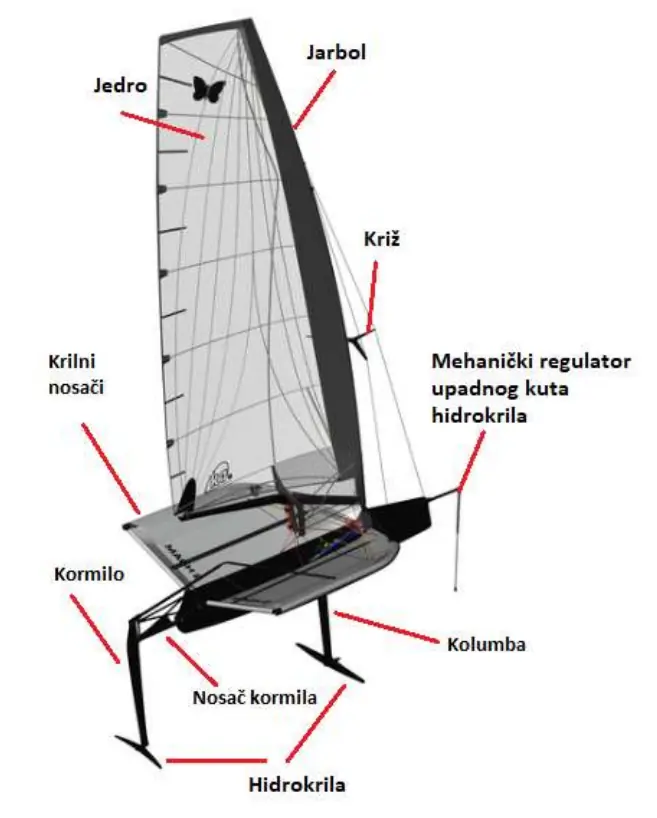
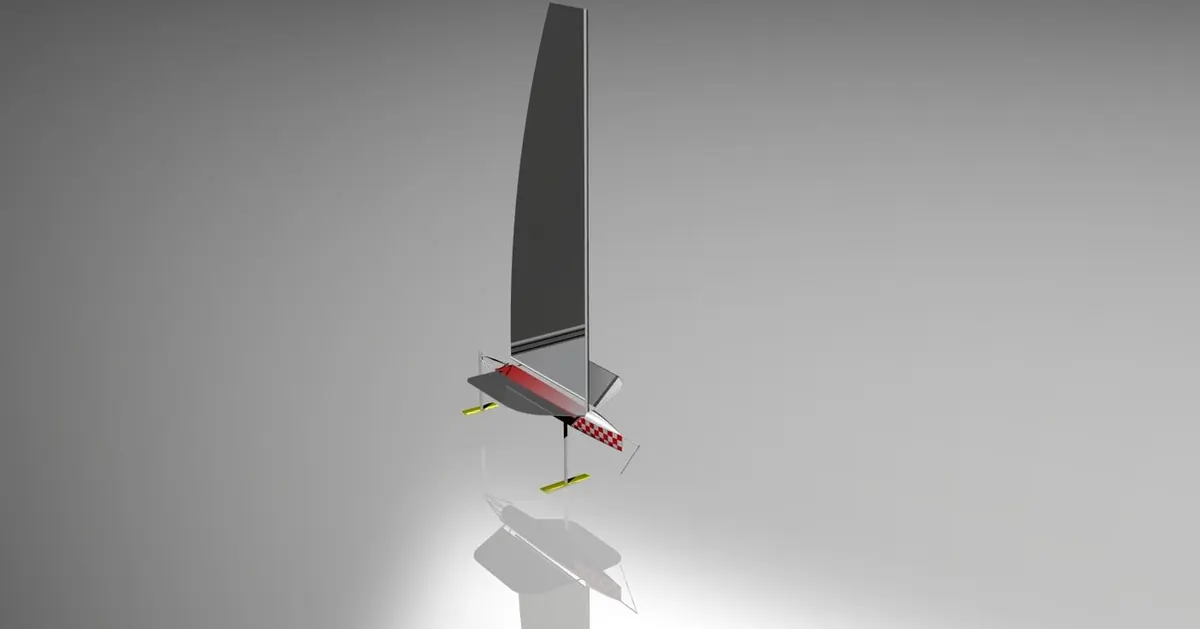
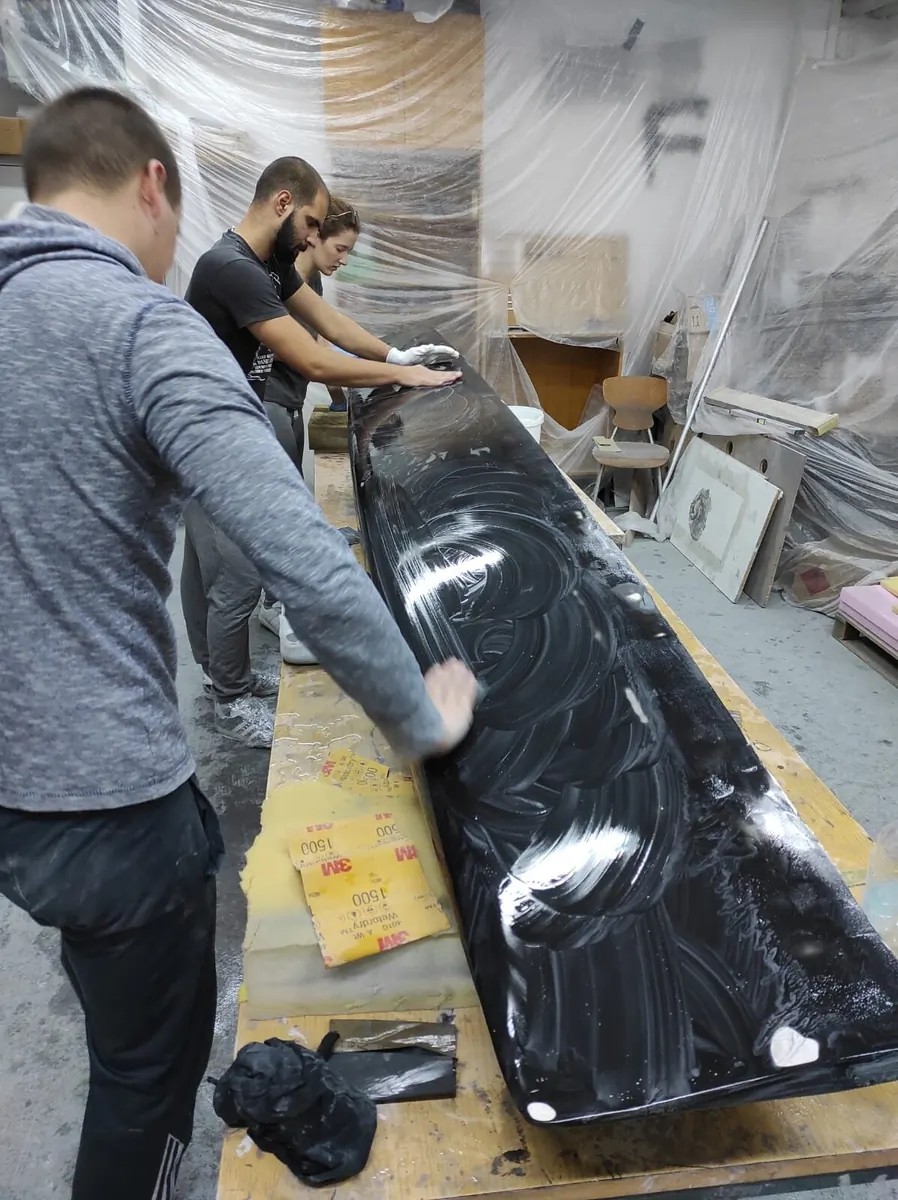
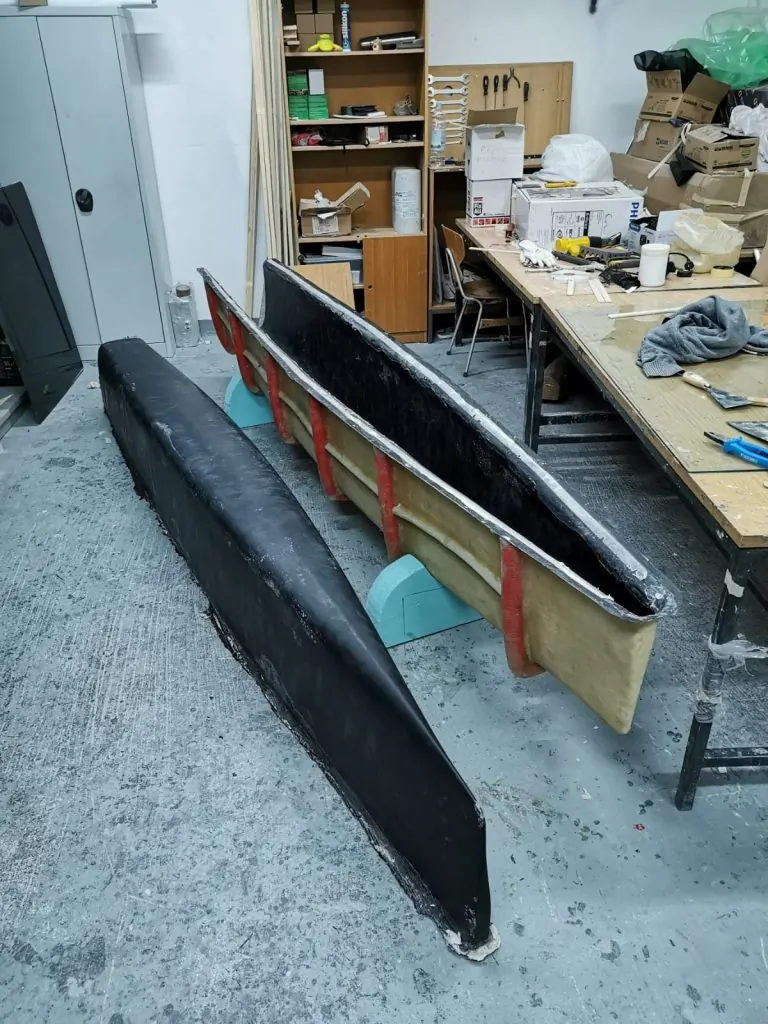
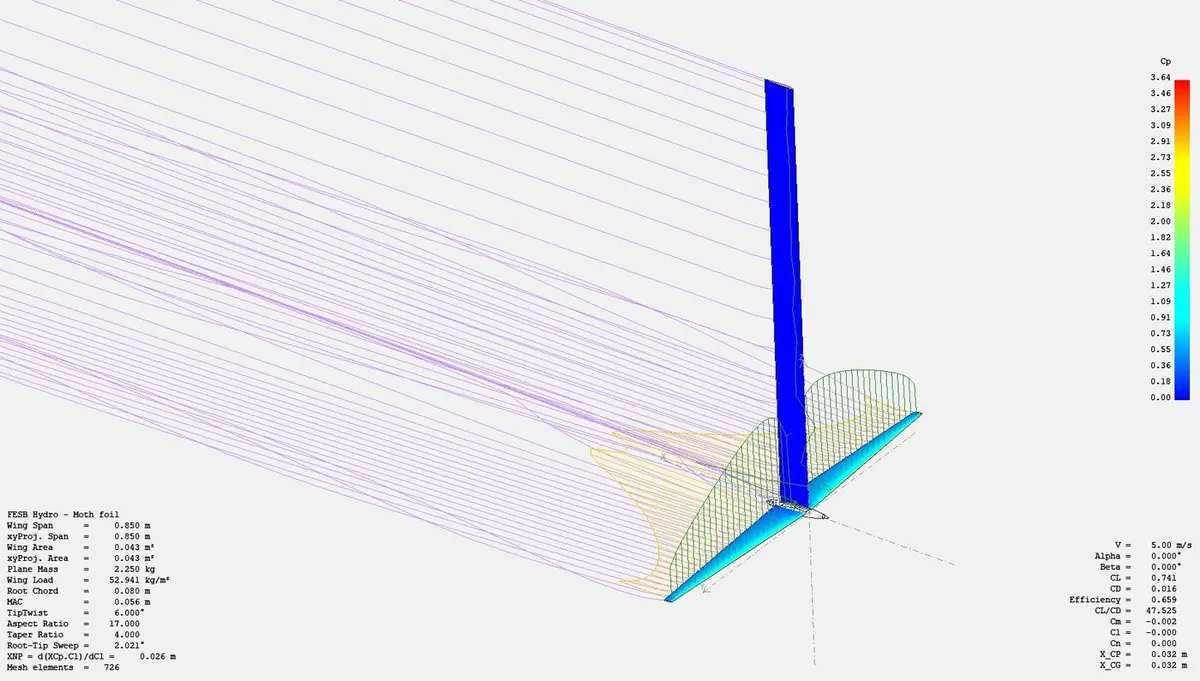
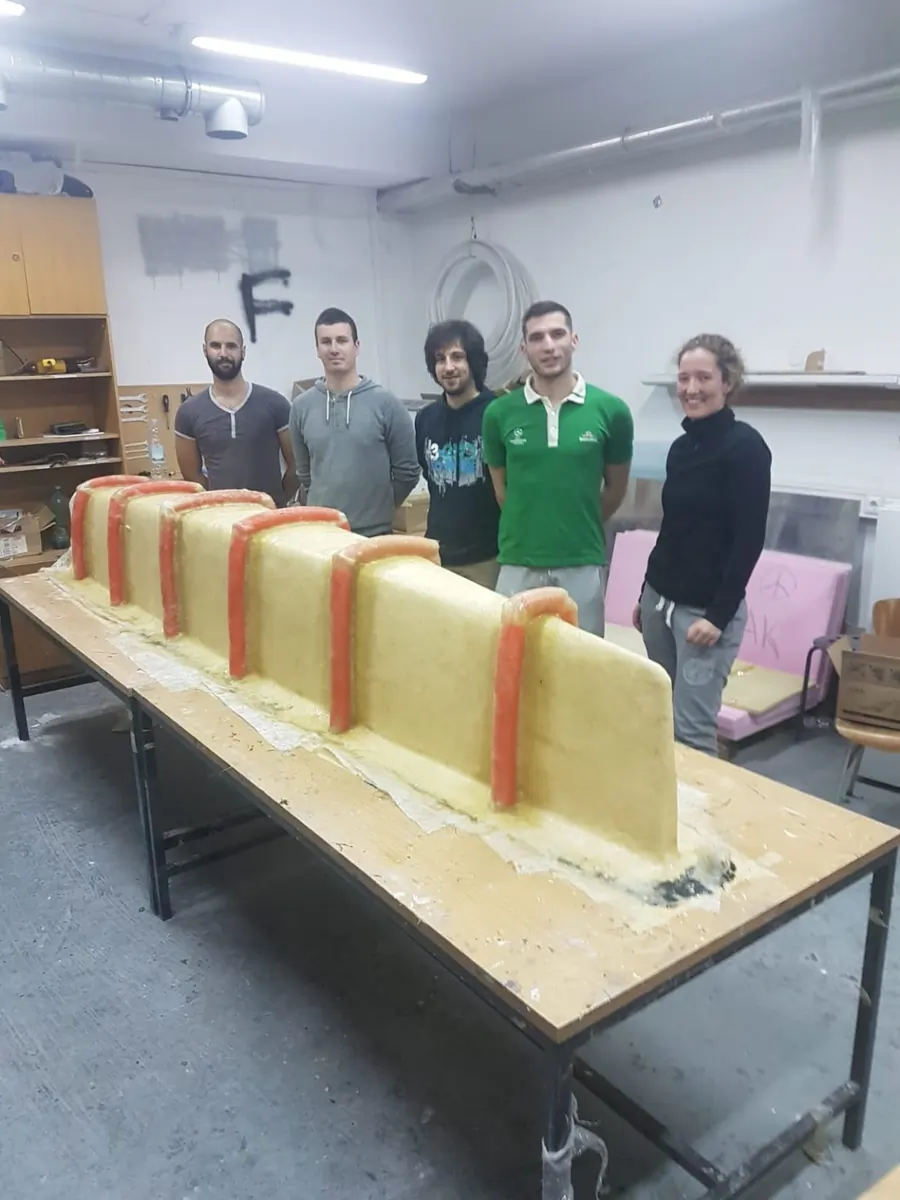
Advanced composite sailboat with hydrofoil technology built by students using carbon fiber and fiberglass composite materials.
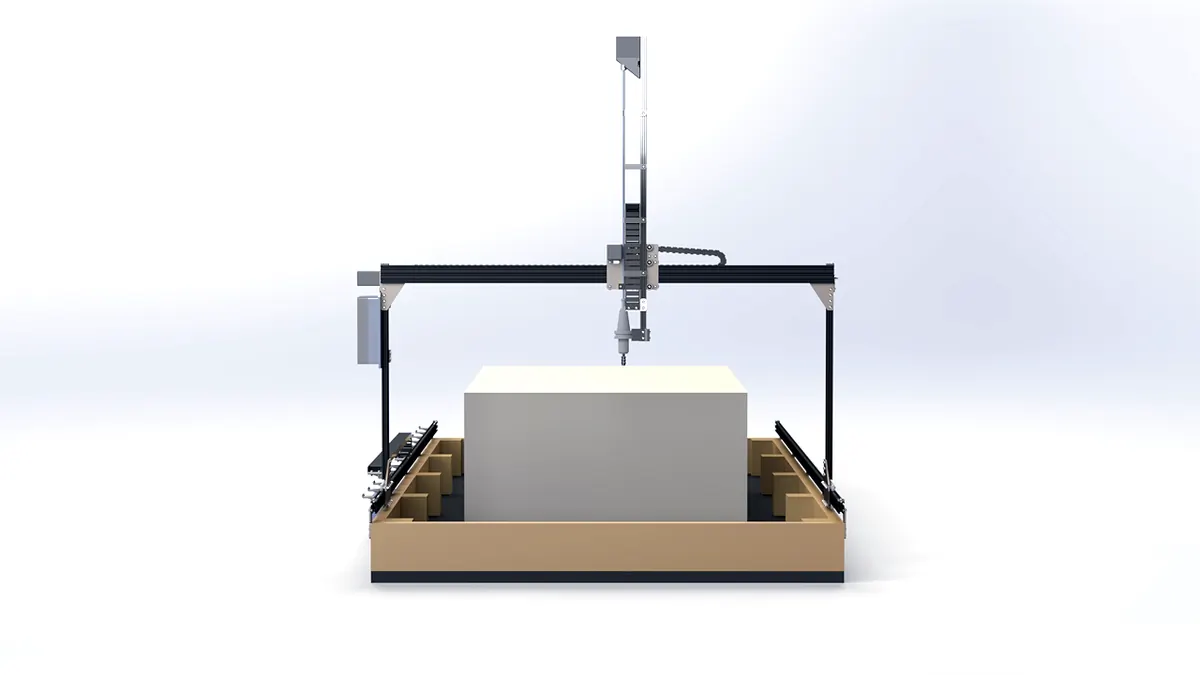
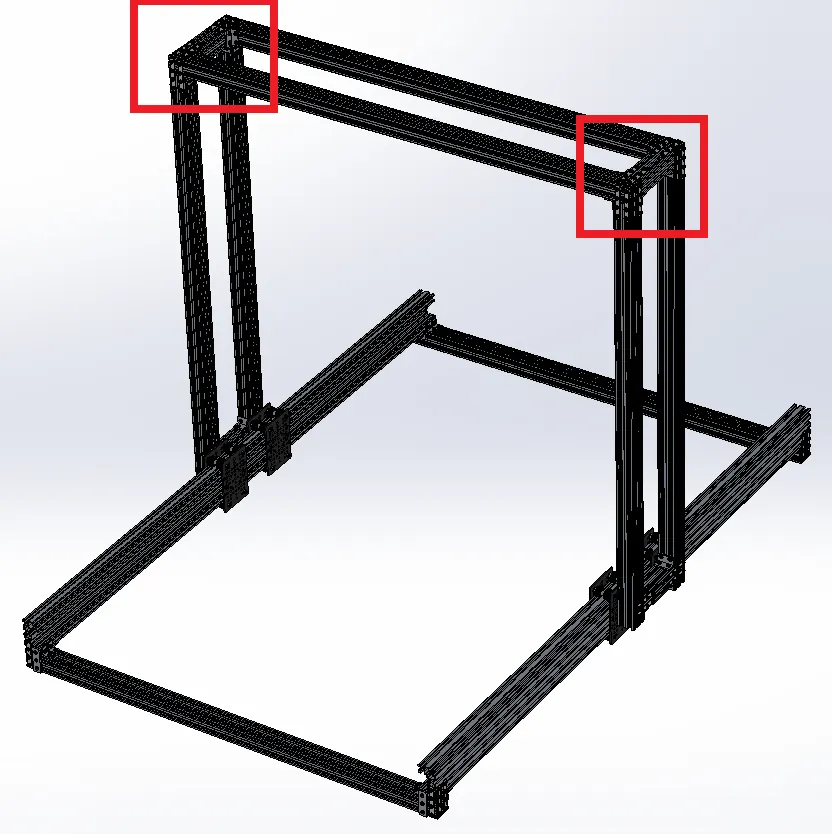
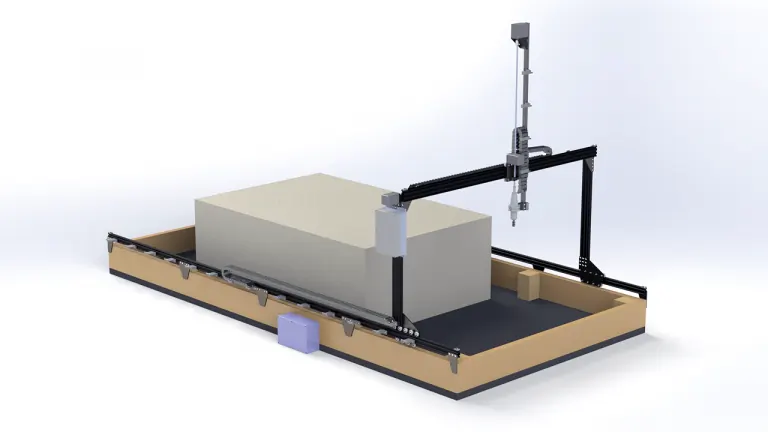
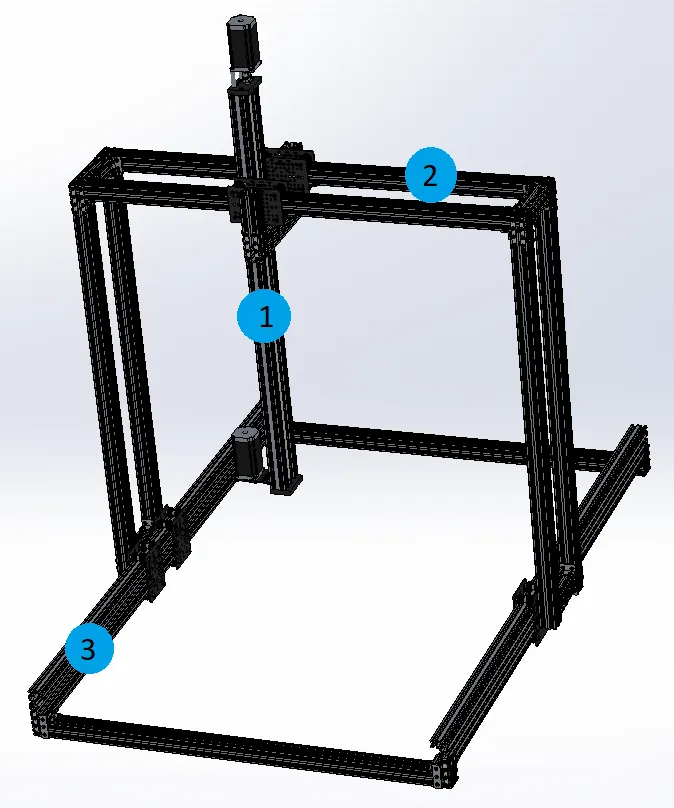
CNC for Marine Application
Student project focused on CNC machining technology for naval architecture applications.
Research Projects
Ongoing and completed research initiatives at the Chair of Naval Architecture.
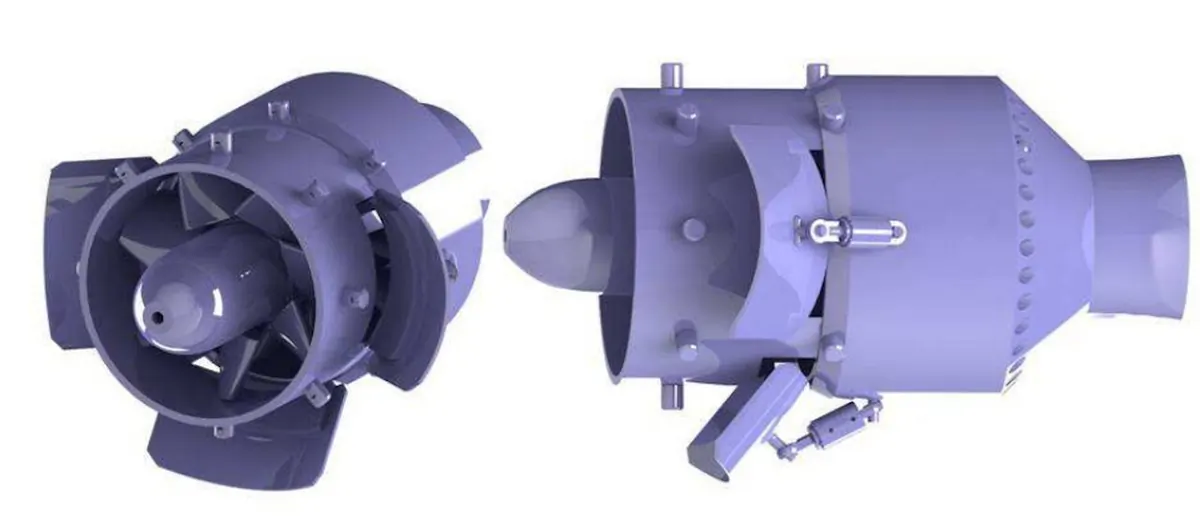
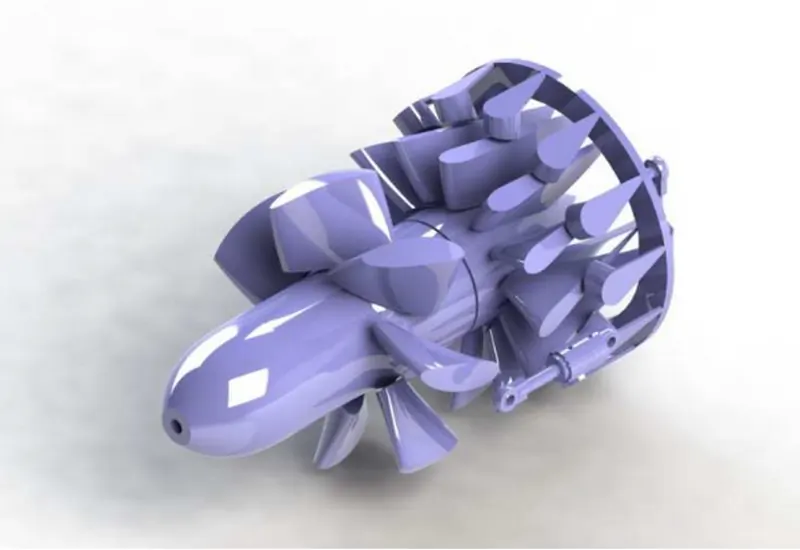
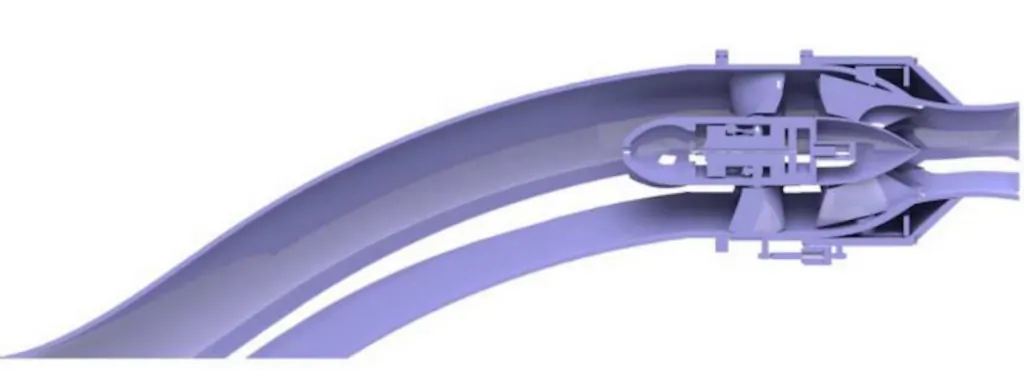
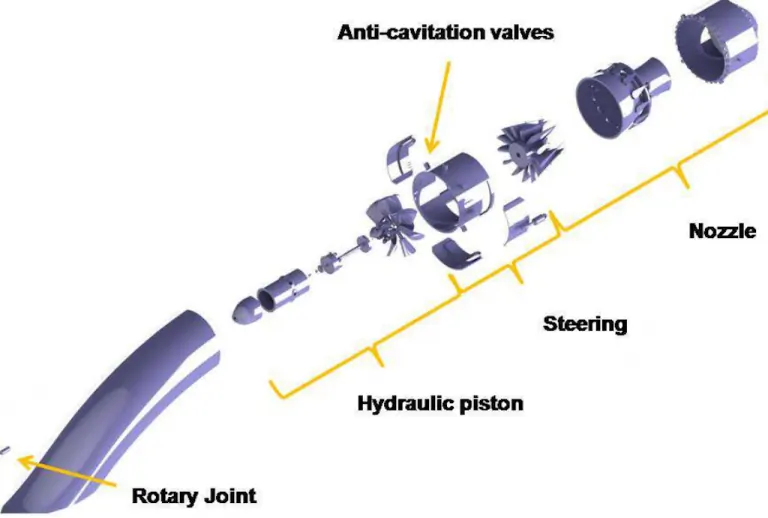
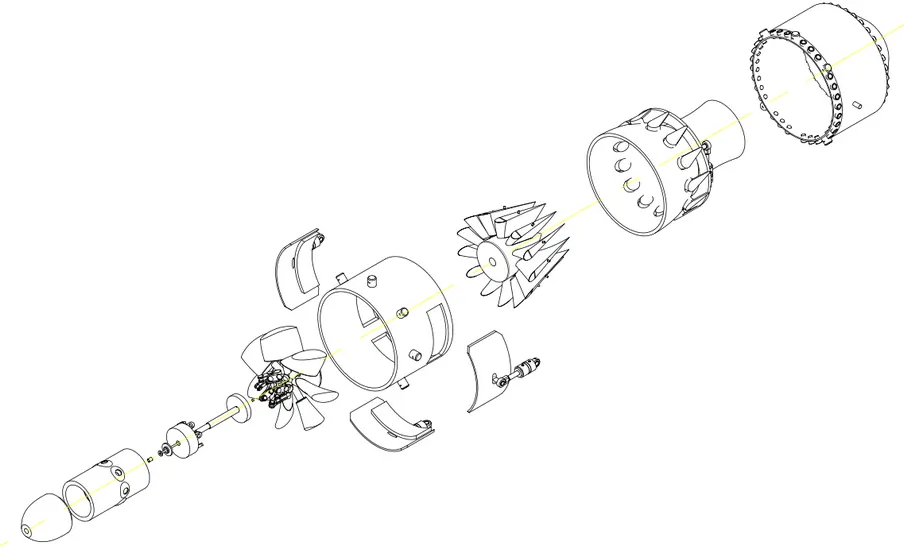
Waterjet Propulsion (CEKOM)
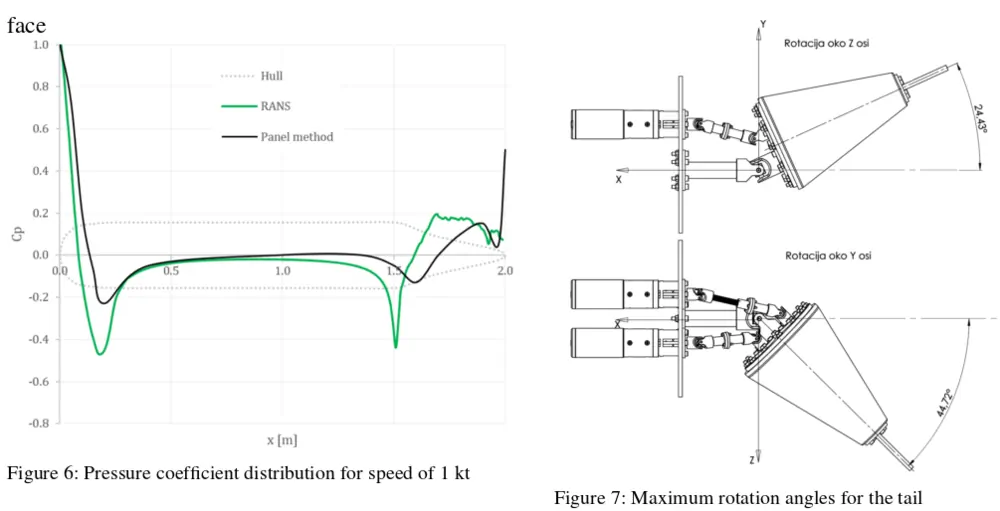
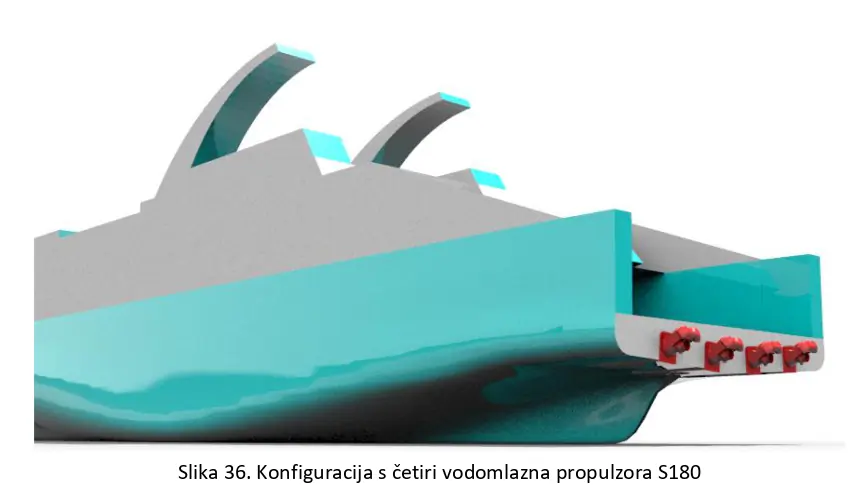
Innovative solution for waterjet propulsion. The project investigates novel waterjet configurations to improve propulsive efficiency and operational performance of high-speed marine vehicles using CFD analysis and experimental validation.
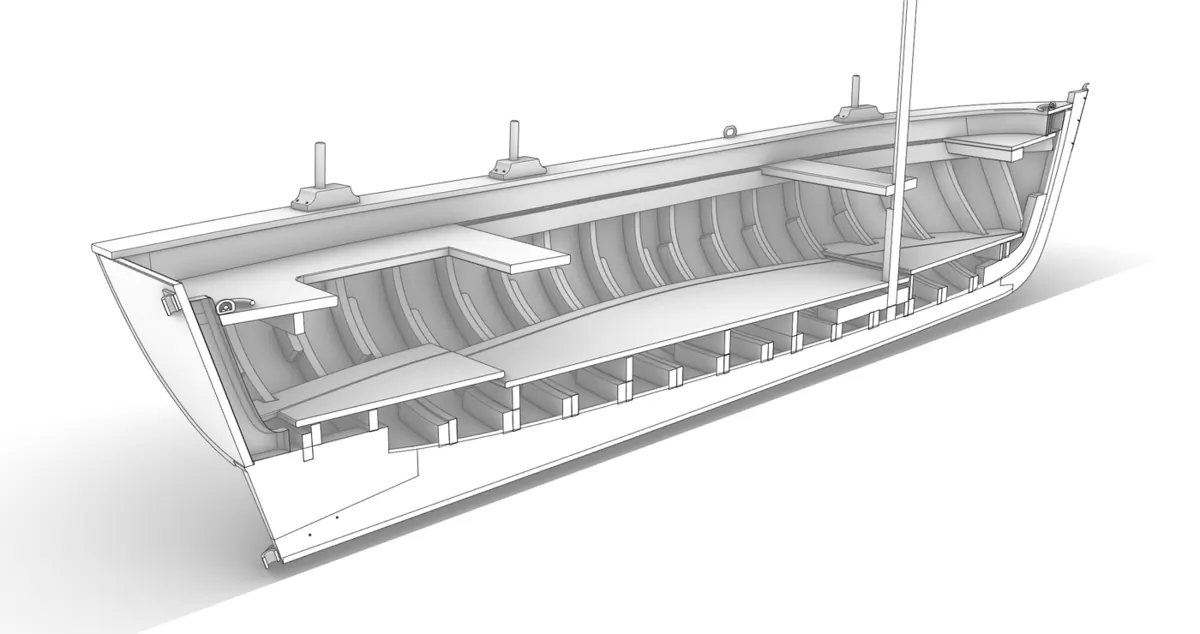
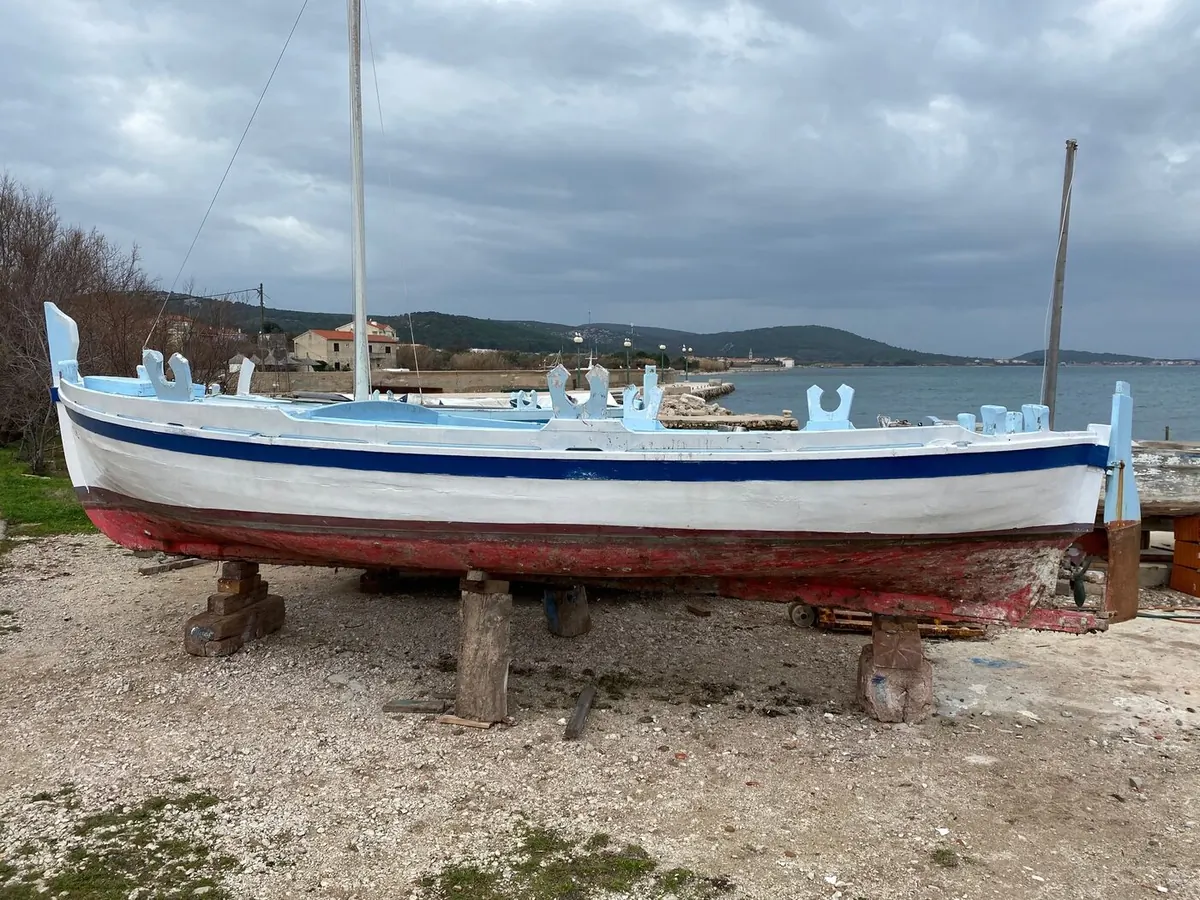
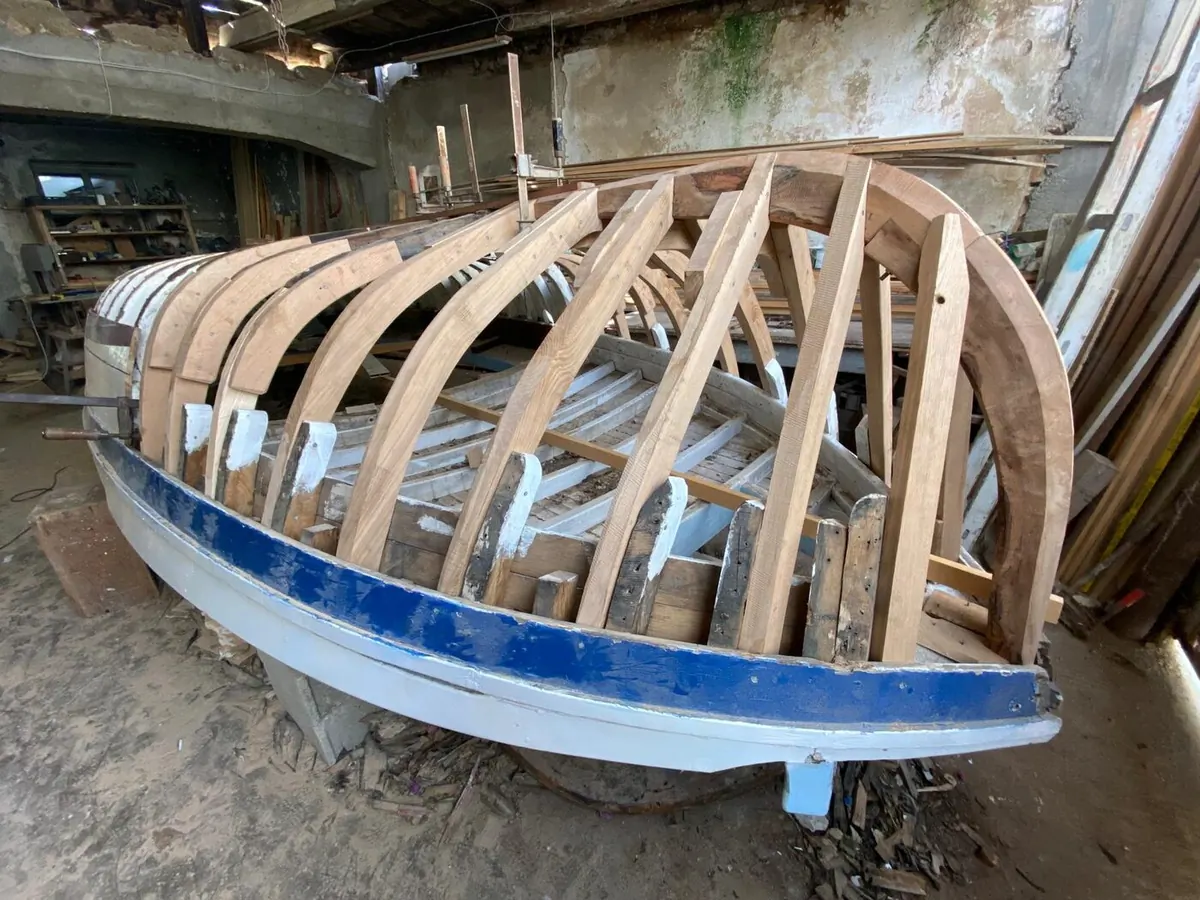
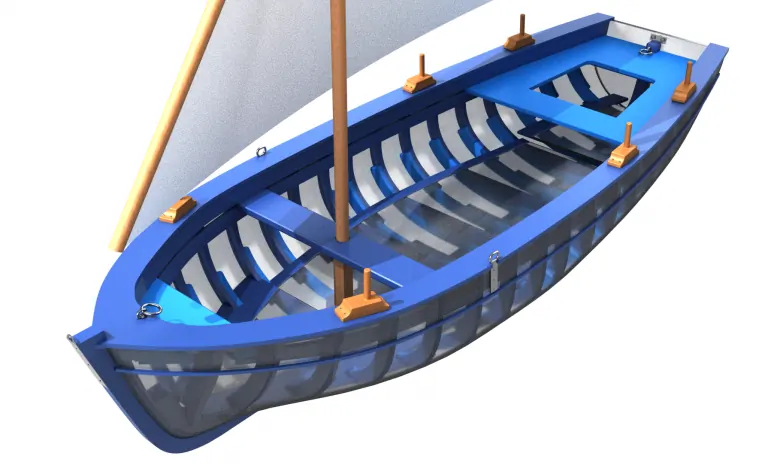
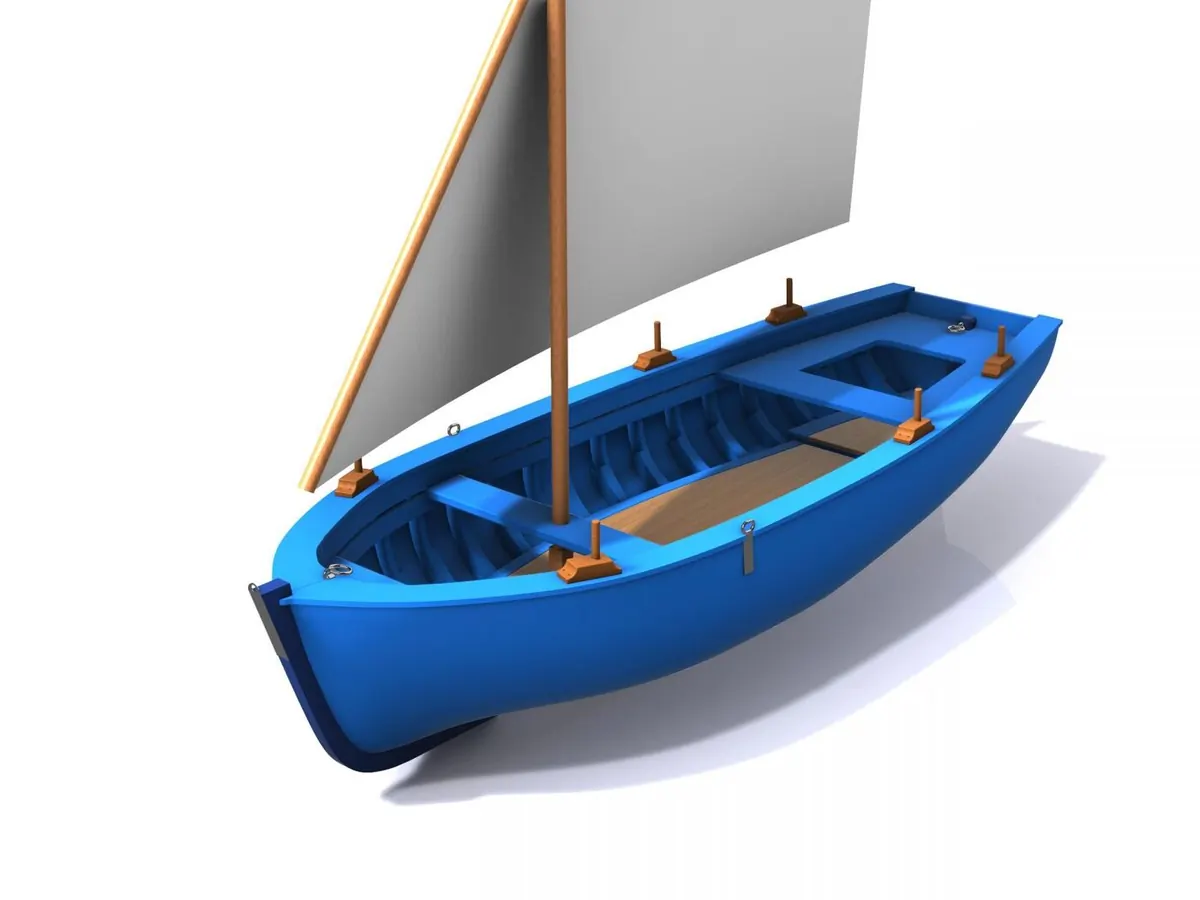
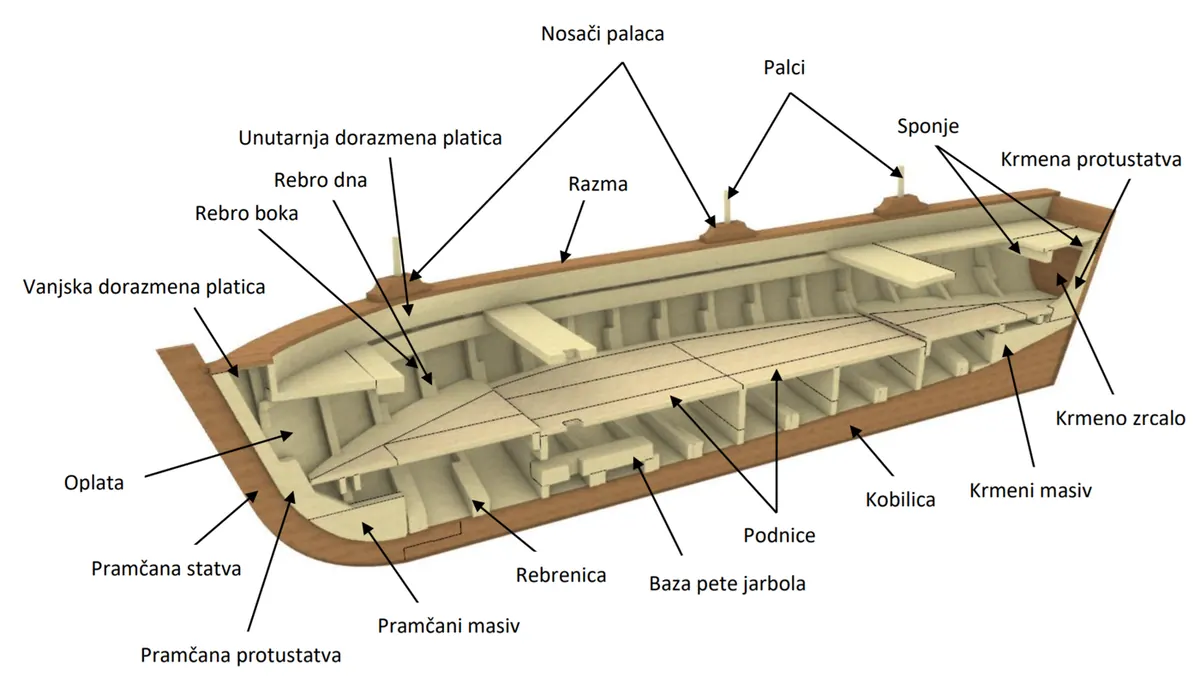
Maritime Heritage (TKON)
Maritime heritage project focused on the documentation, preservation, and study of traditional Croatian shipbuilding practices and historical vessels. The project connects naval architecture expertise with cultural heritage conservation.
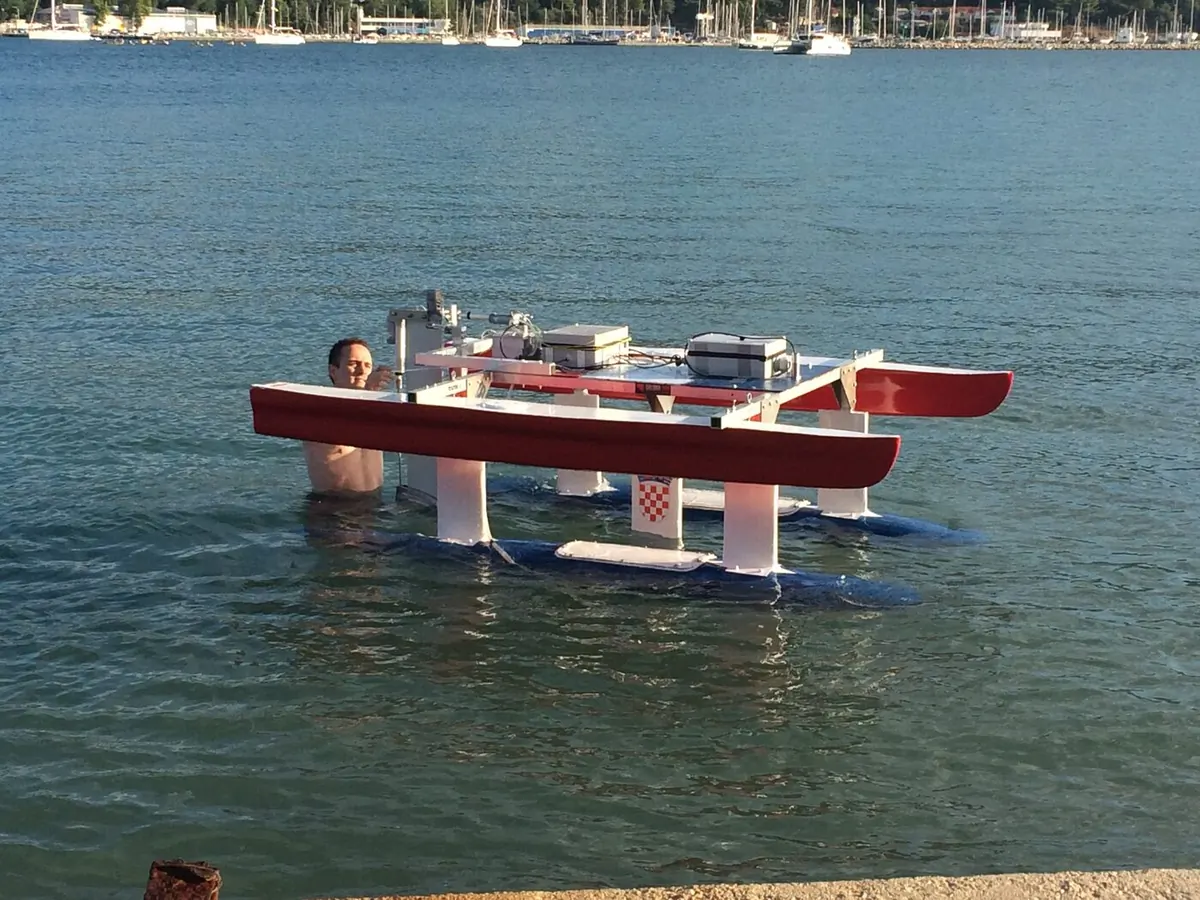
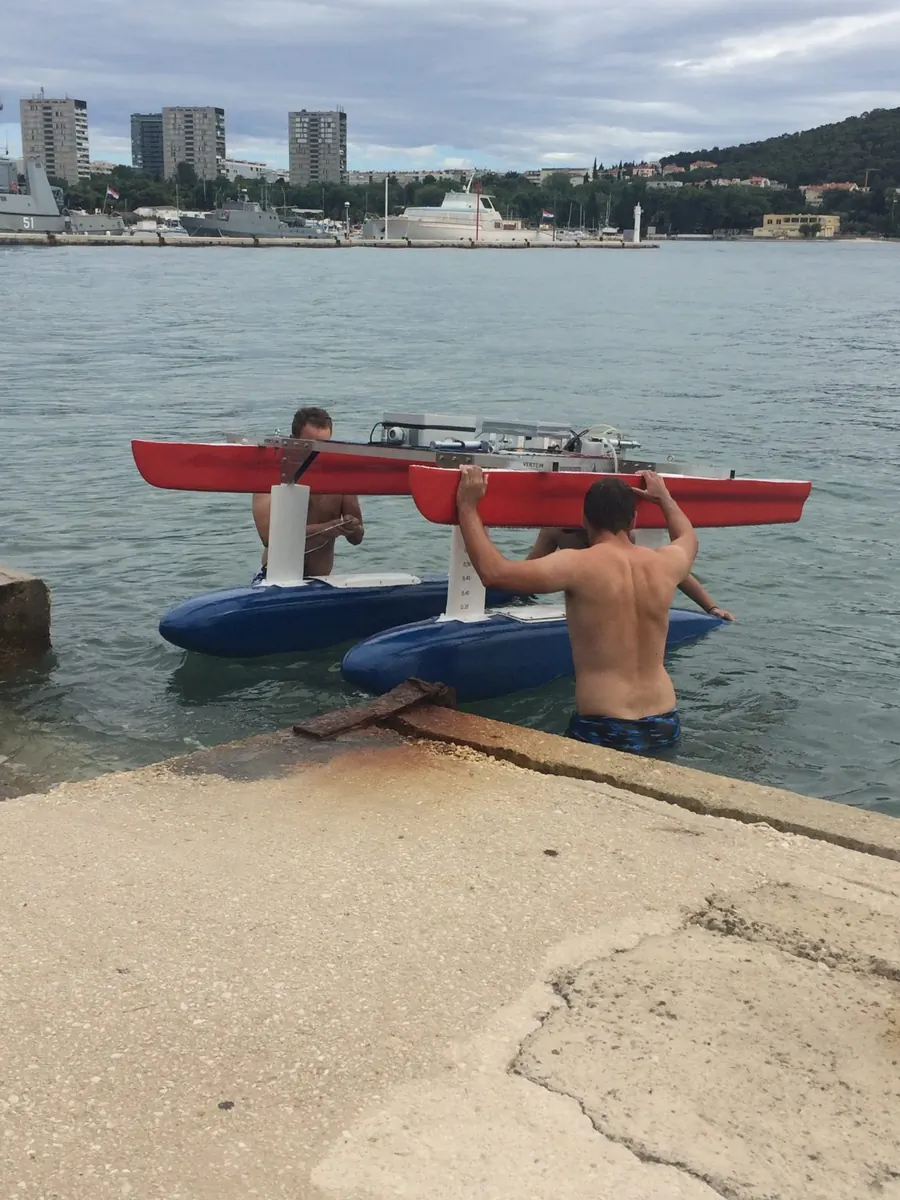
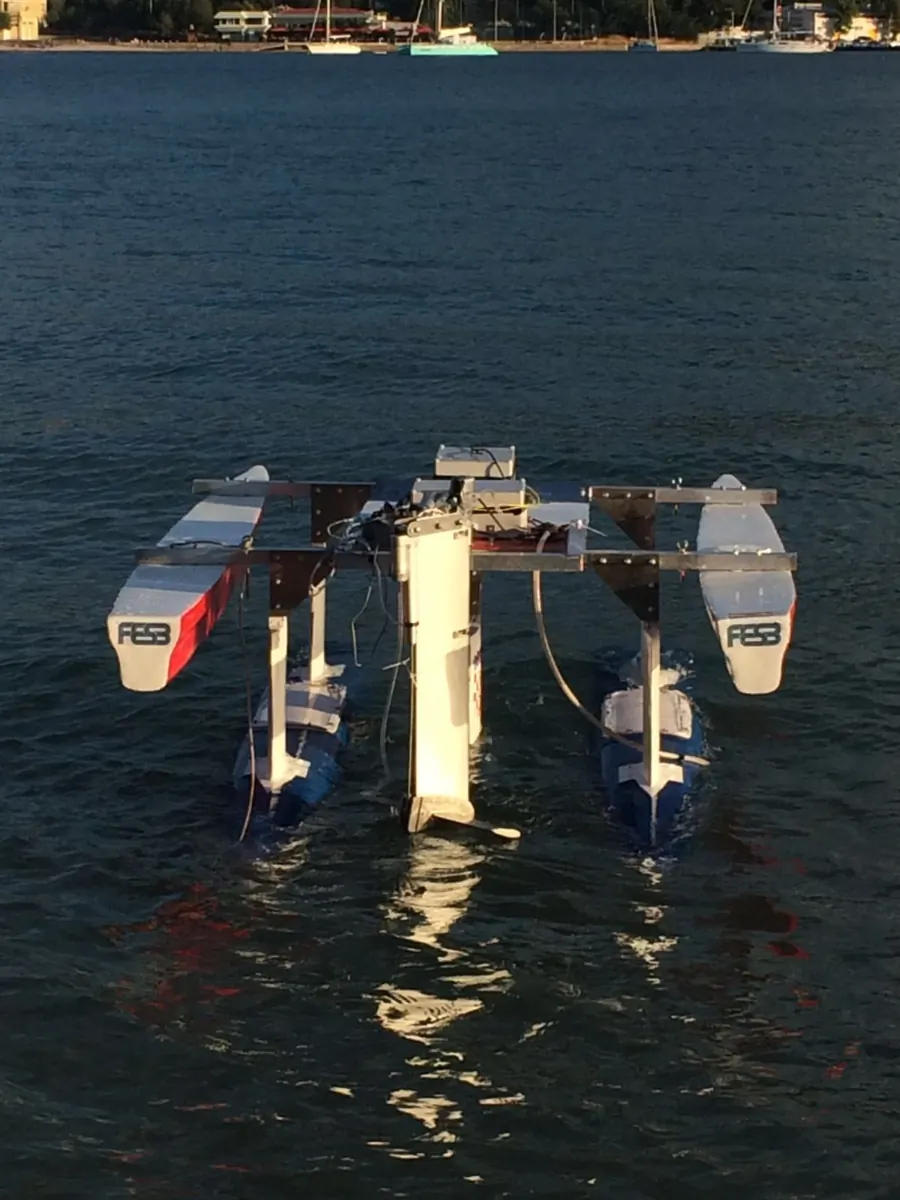
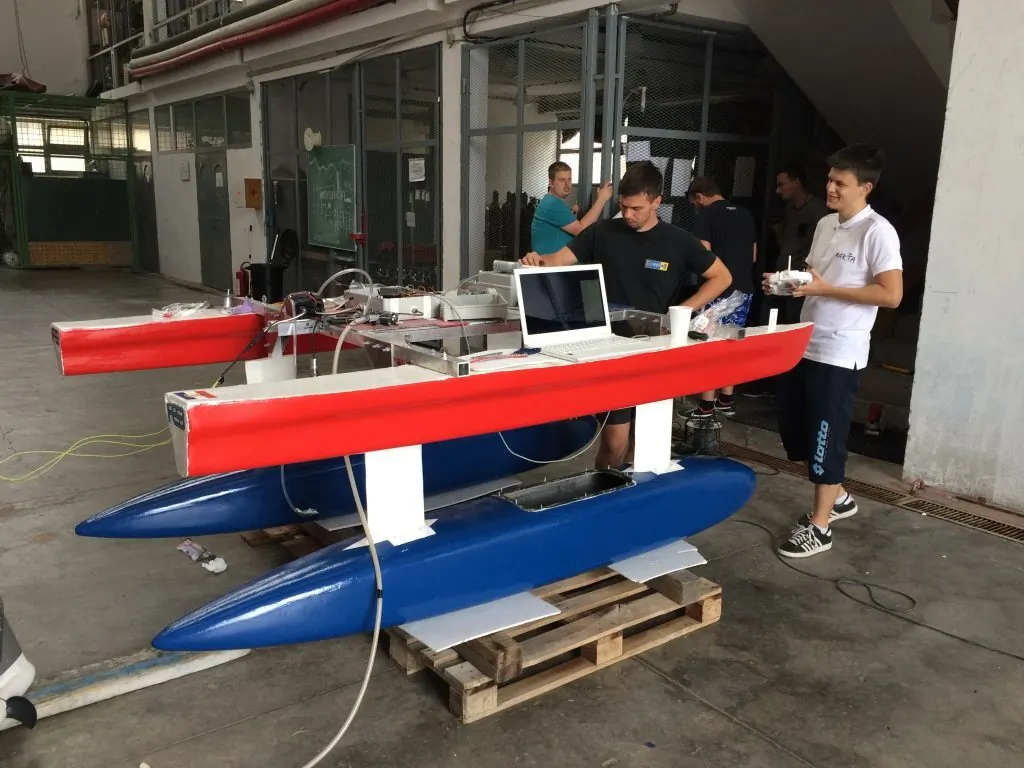
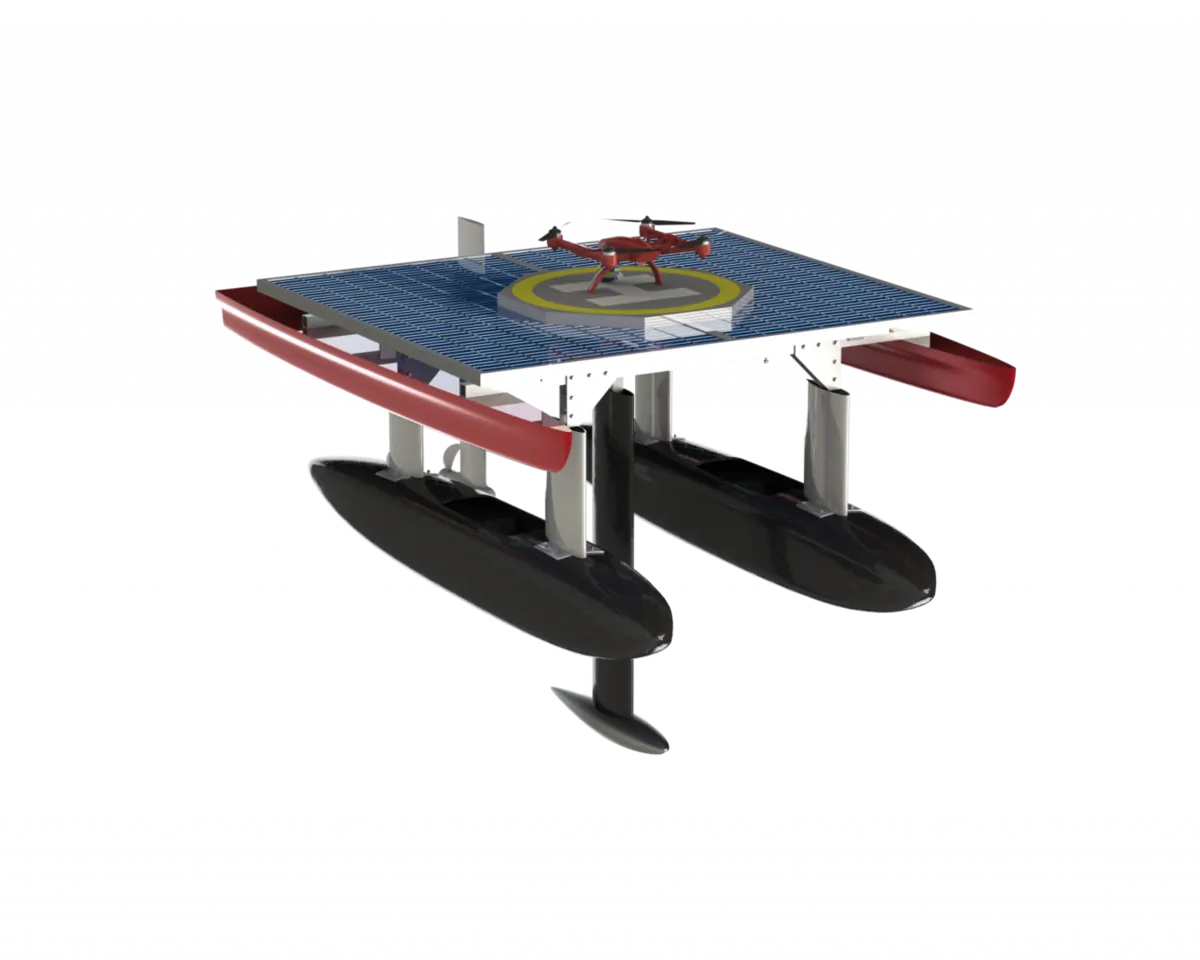
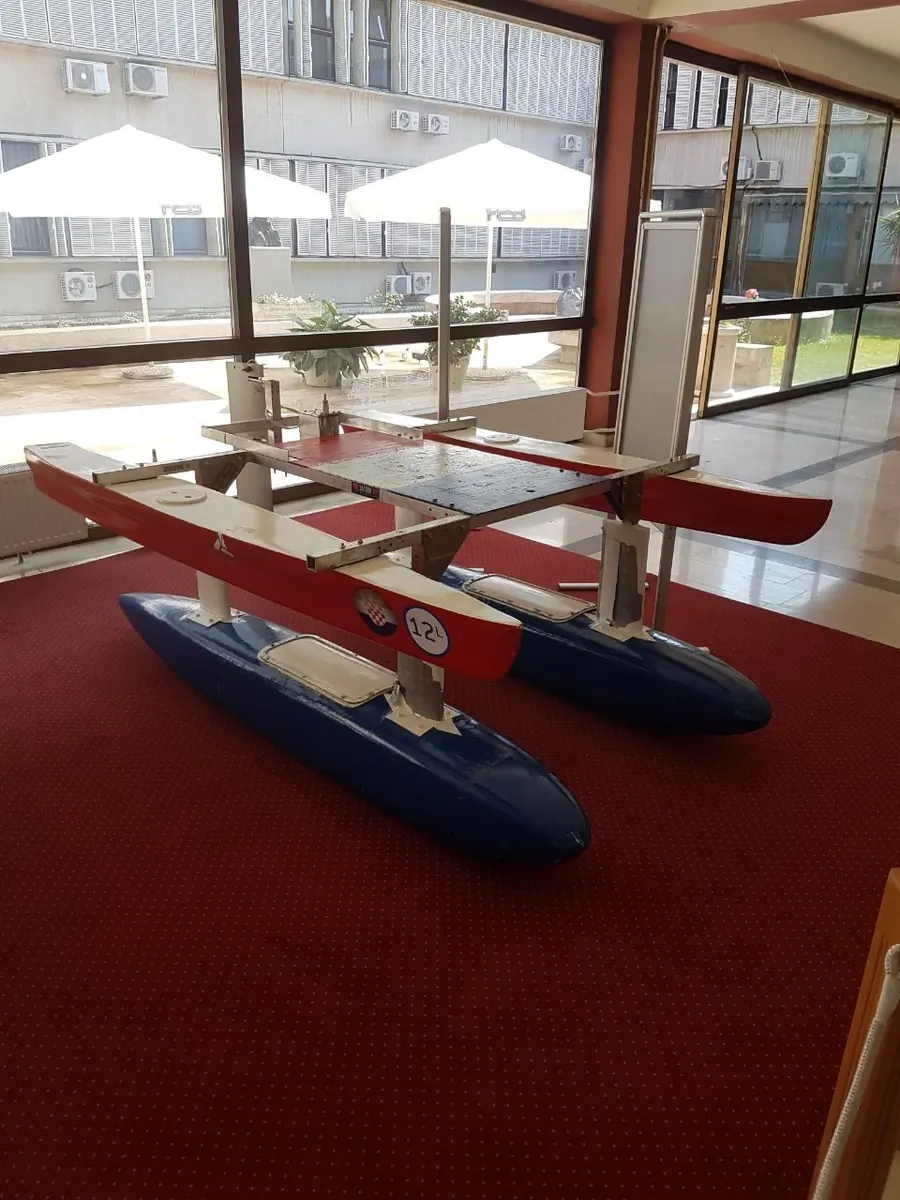
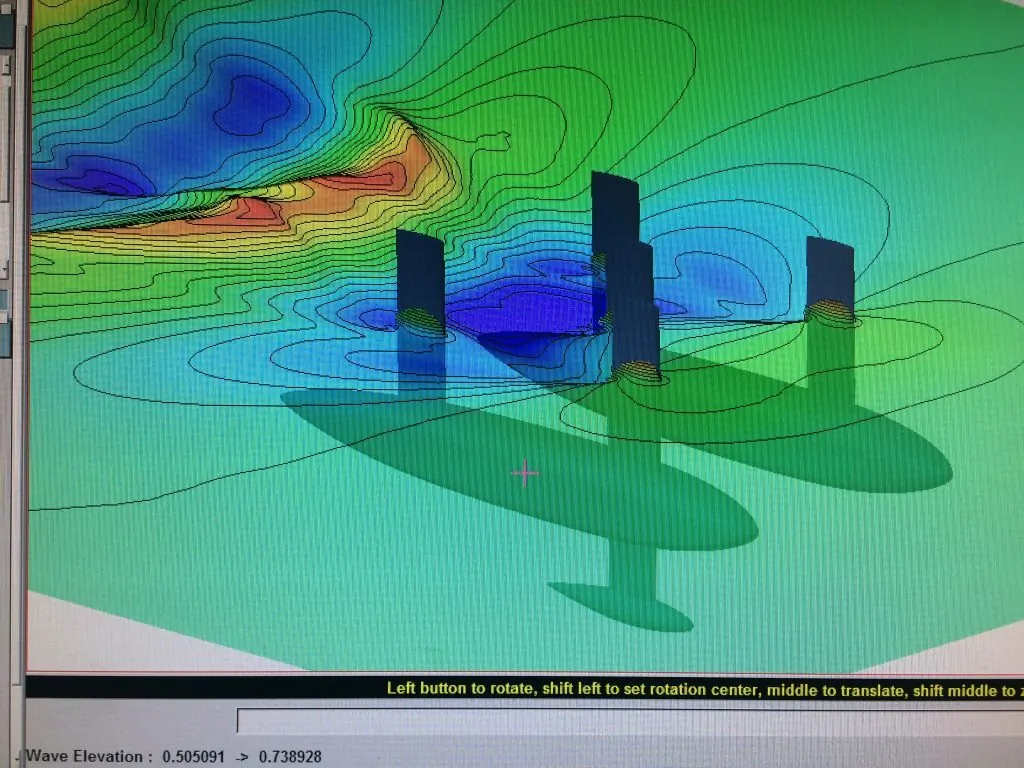
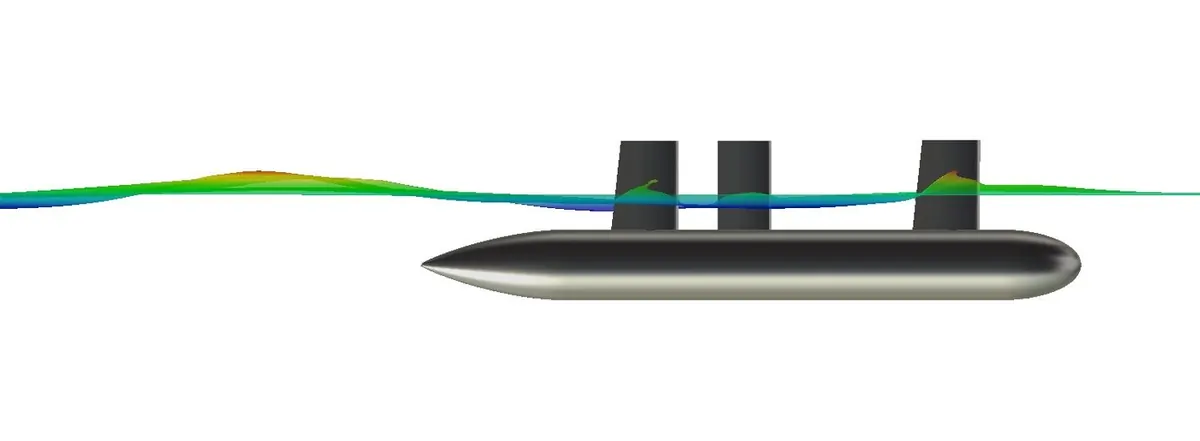
Autonomous SWATH
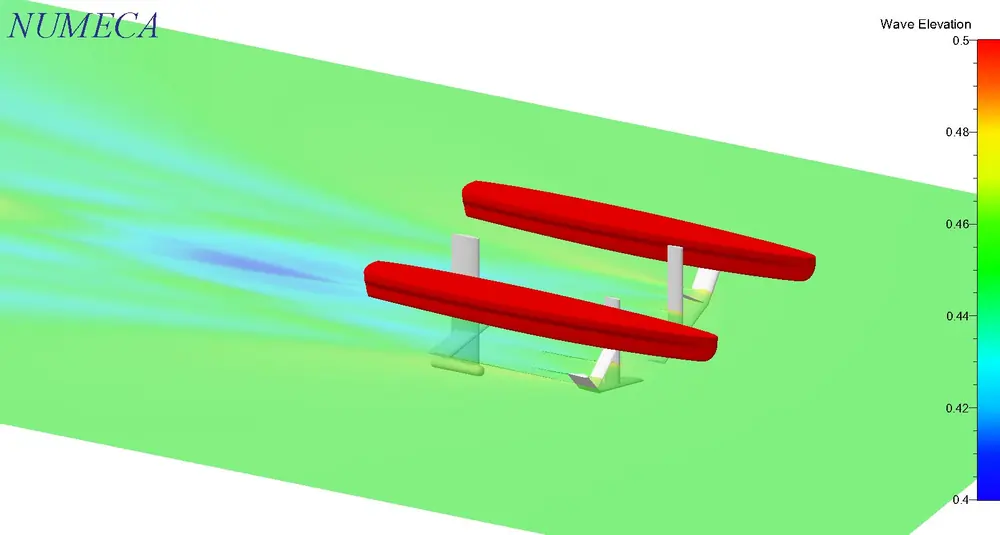
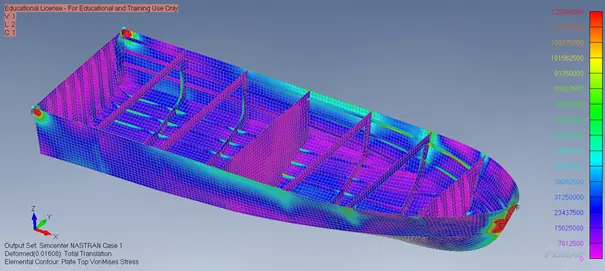
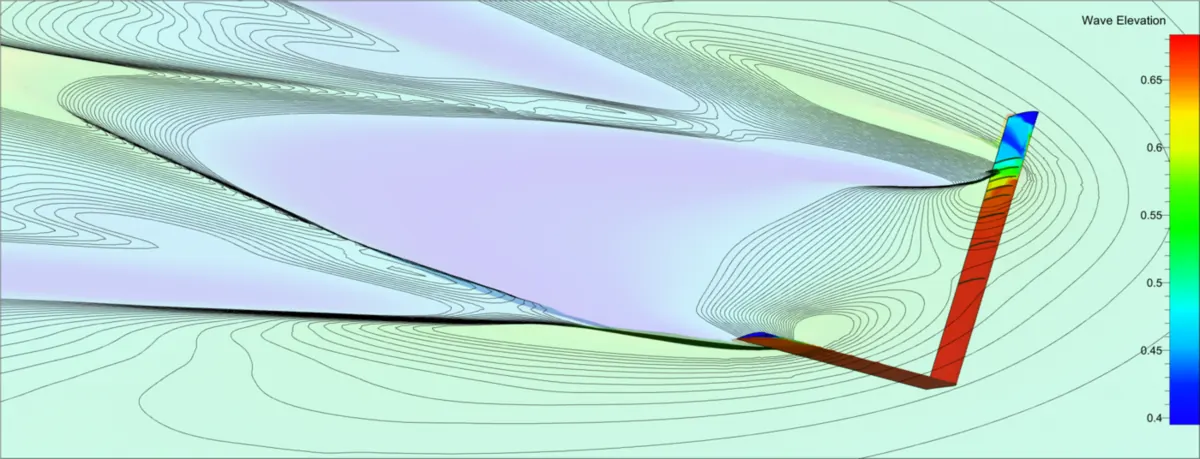
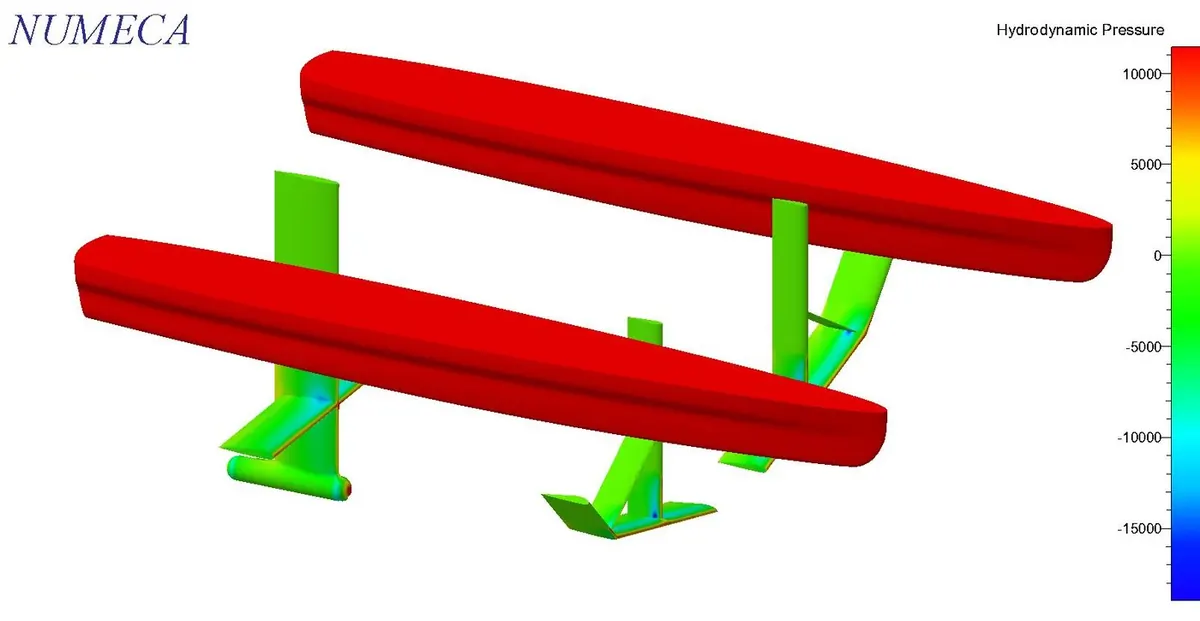
Design and development of a modular autonomous SWATH (Small Waterplane Area Twin Hull) craft. The research addresses hydrodynamic design, wave-elevation analysis, and hydrodynamic pressure distribution using advanced CFD and FEM tools.
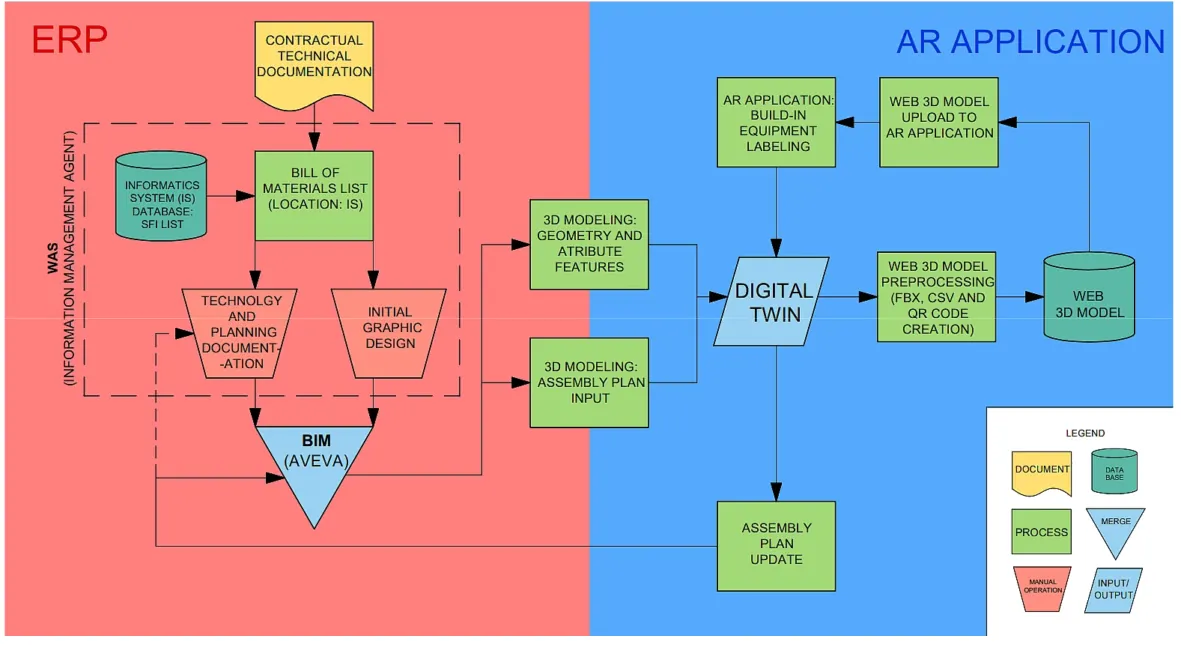
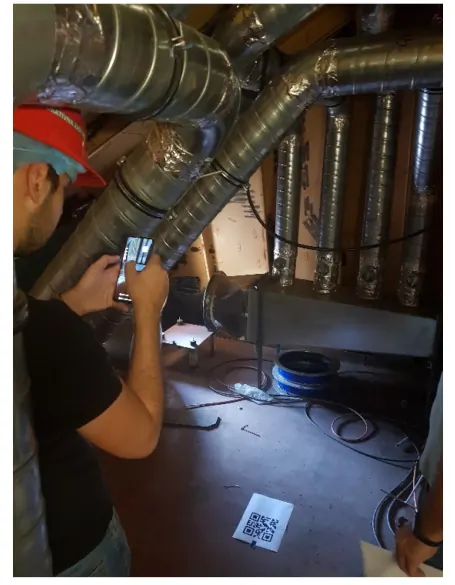
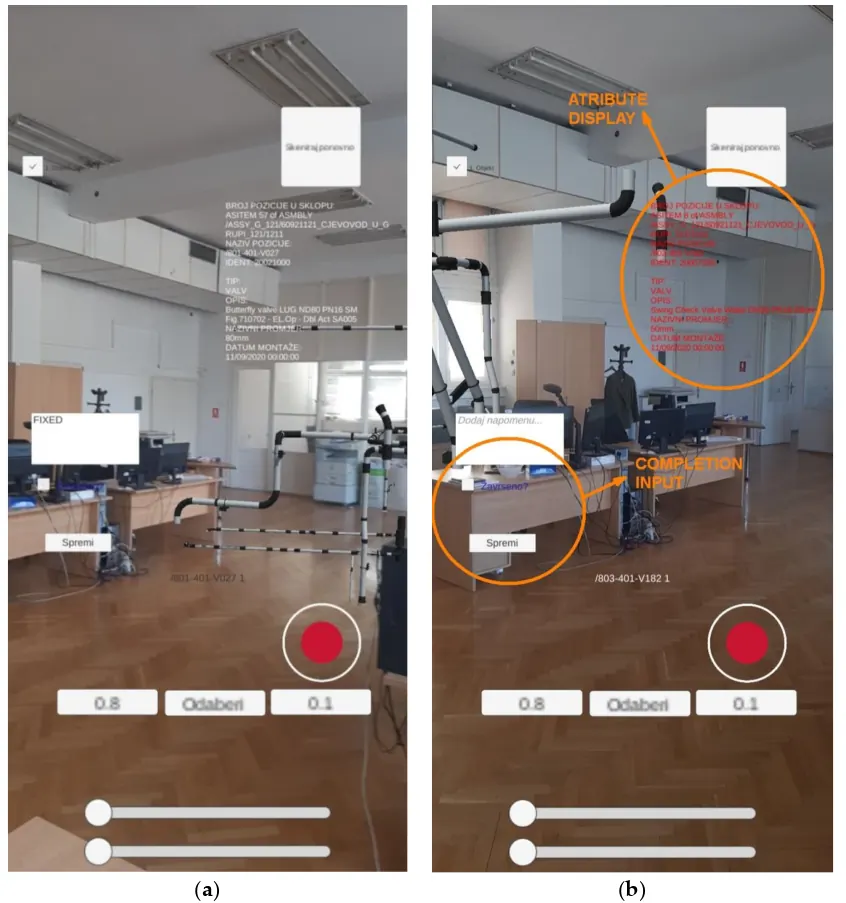
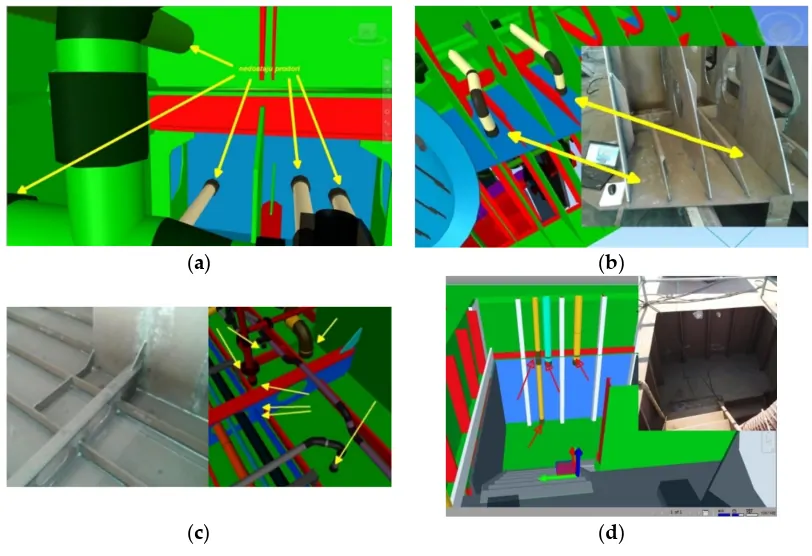
Augmented Reality in Shipbuilding (CEKOM)
Research and development of an Augmented Reality application supportive of the shipbuilding process.
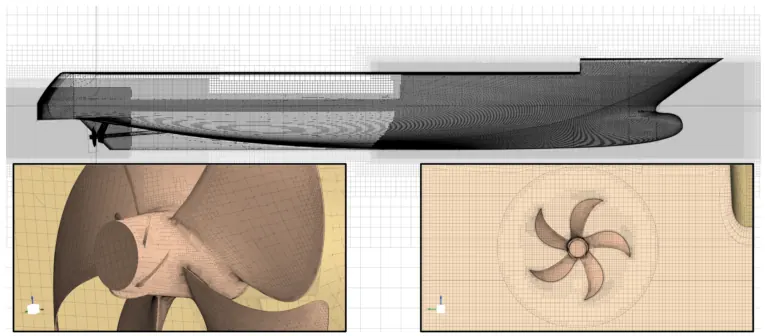
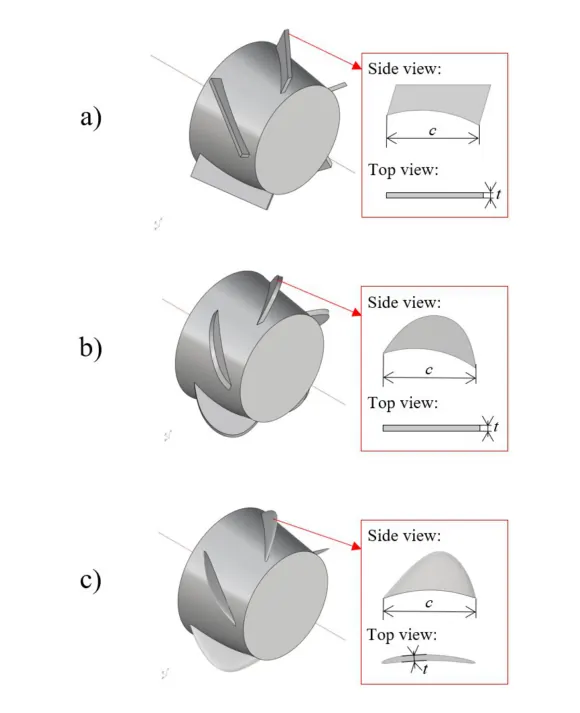
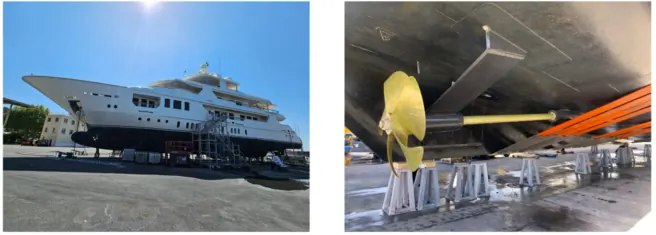
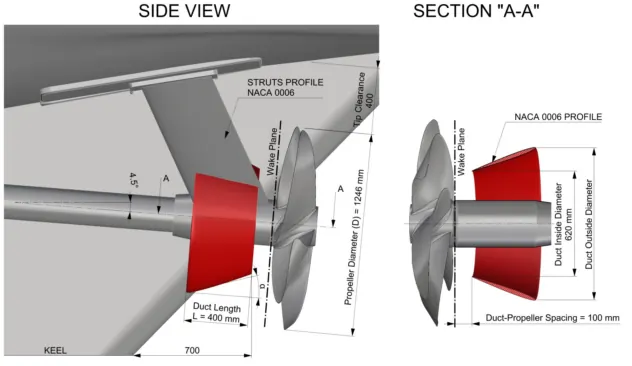
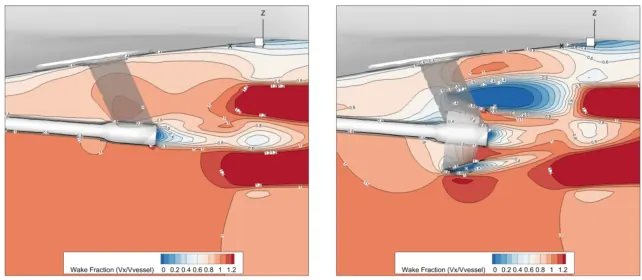
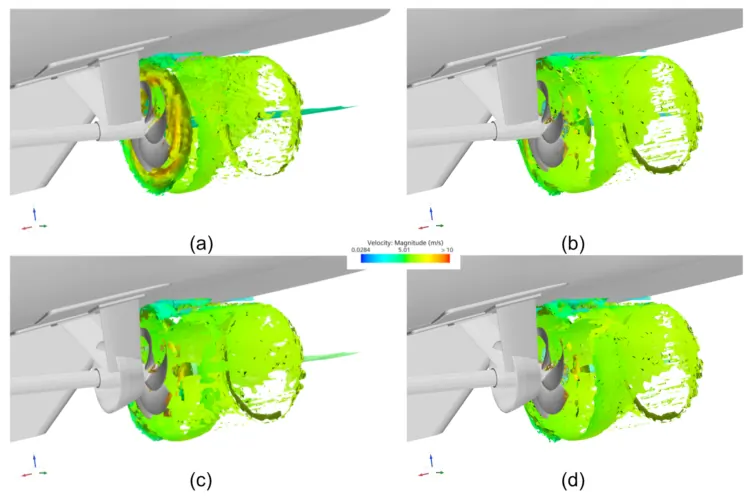
Propeller Energy Recovery Systems (AP)
The project optimizes ship propellers with "wake nozzle" and pre-swirl fins: reduces cavitation, vibrations, and noise; recovers energy; boosts efficiency. CFD simulations and real-time algorithms integrate hull and components, cutting fuel use and emissions. For new and existing ships.
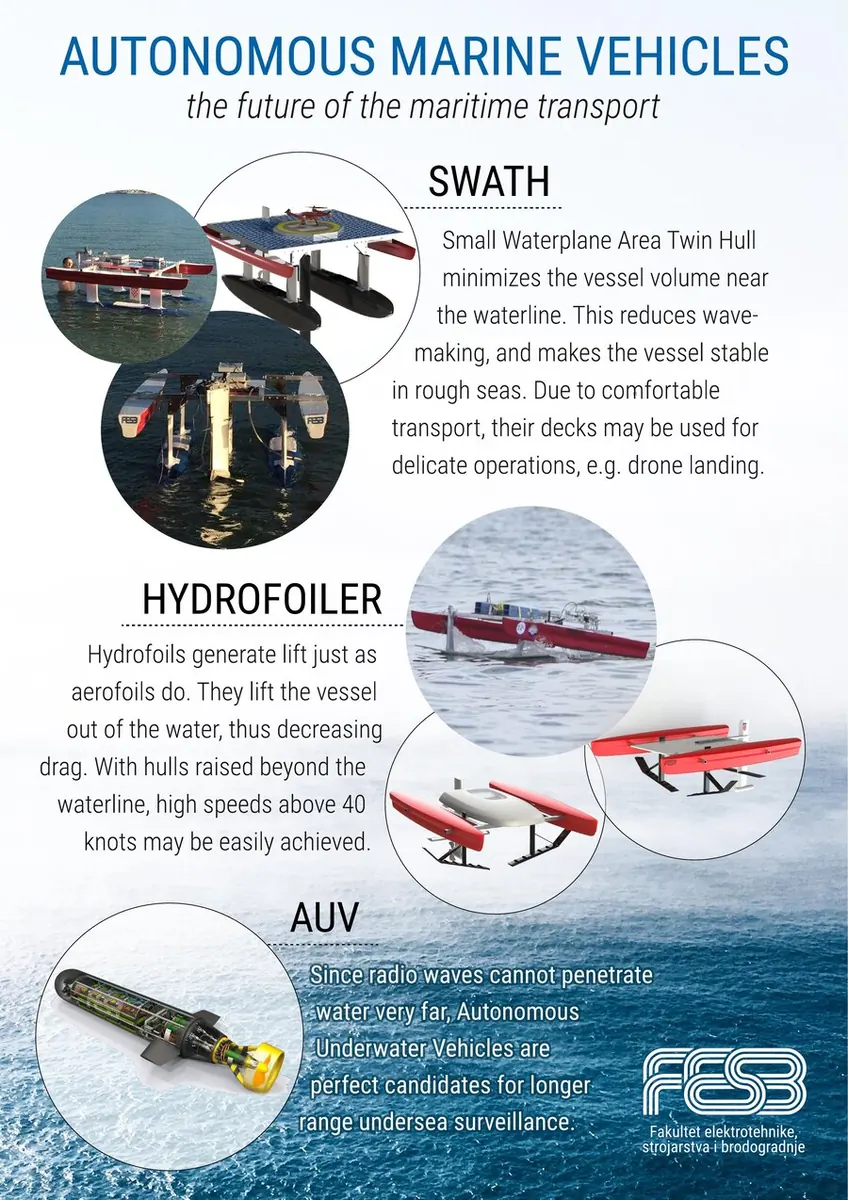
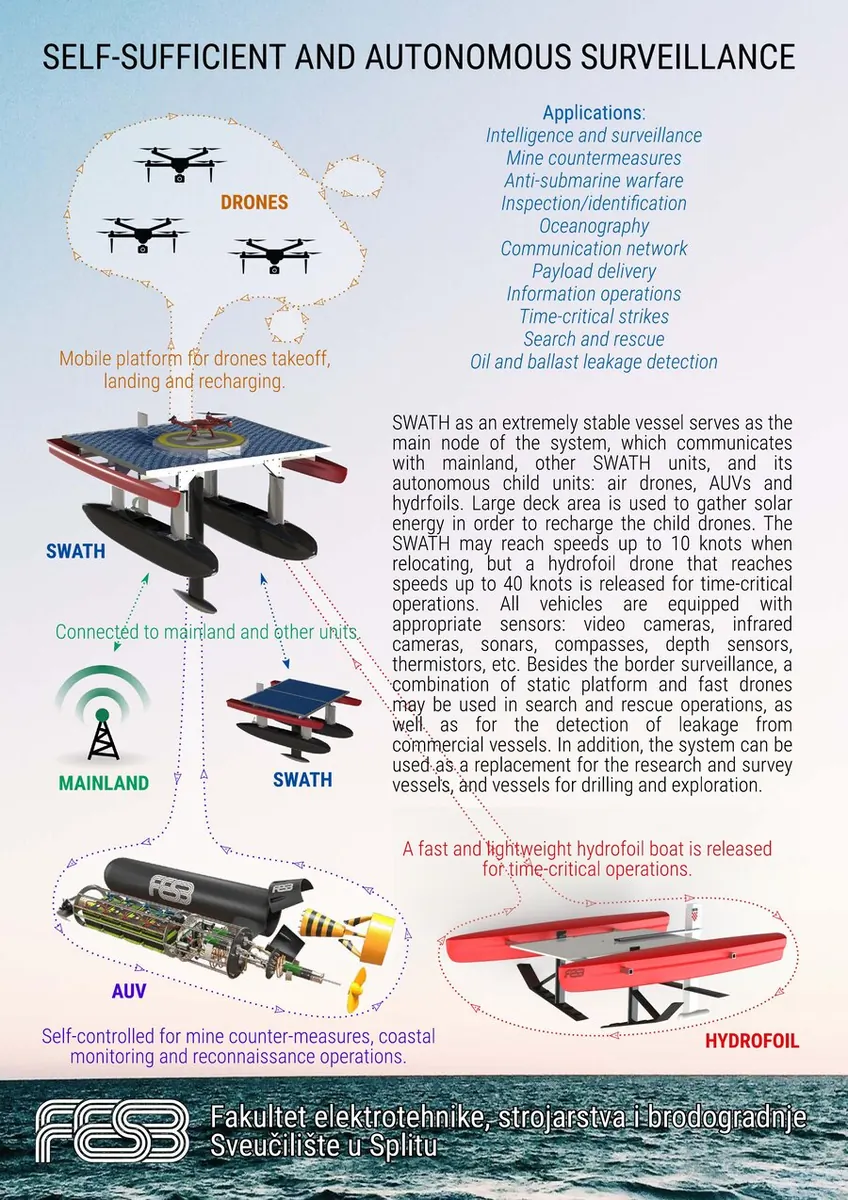
Autonomous Marine Vehicles & Surveillance
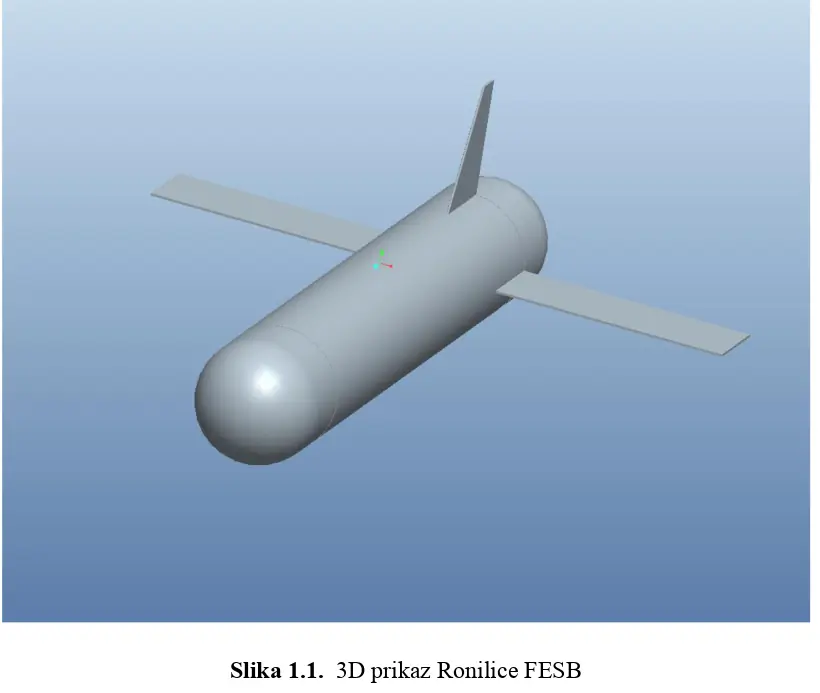
Concept study of a self-sufficient autonomous fleet combining SWATH, hydrofoiler and AUV platforms with aerial drones. Applications span intelligence and surveillance, mine countermeasures, oceanography, payload delivery, and search and rescue.
Research Publications
Academic Staff

Prof. Branko Blagojević
Head of Chair
Structures & Advanced Marine Vehicles

Prof. Dario Ban
Ship Design & Stability

Prof. Boris Ljubenkov
Shipbuilding Technology

Asst. Prof. Josip Bašić
Hydrodynamics & CFD

Martina Bašić, PhD
Postdoc

Davor Mimica
Senior Researcher

Ines Bezić
Researcher
Contact
Chair of Naval Architecture
FESB · University of Split
Ruđera Boškovića 32, 21000 Split, Croatia